
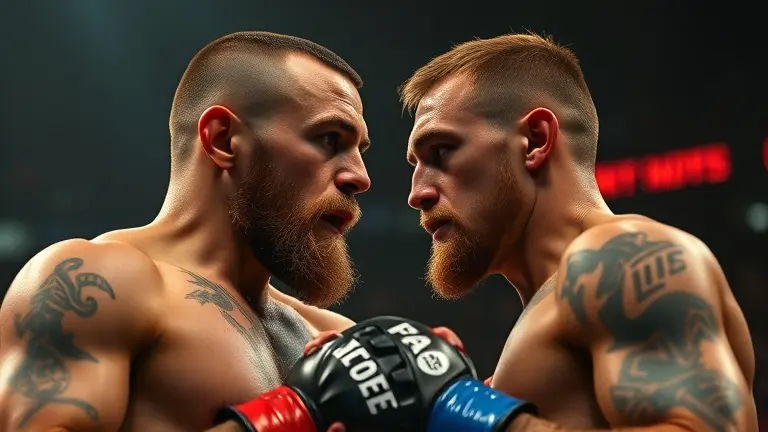
The flickering lights of the T-Mobile Arena on July 11, 2026, dimmed far sooner than the world anticipated. After a five-year hiatus that left fans and analysts alike breathless with expectation, Conor McGregor stepped into the octagon for his highly-publicized rematch against Max Holloway. Yet, the clash that was meant to be a crowning return to glory ended in a cruel, anticlimactic TKO within the opening round. While the headlines are currently dominated by the sudden injury that forced the stoppage, the silence that followed the fight tells a deeper story—one of a veteran athlete attempting to bridge the gap between legendary ambition and the unforgiving reality of long-term physical attrition.
Before the snap of the injury echoed through the arena, those frantic, opening seconds offered a glimpse into a high-stakes chess match. Analyzing the footage reveals a technical tension that suggests both fighters were still finding their rhythm; however, the abrupt halt leaves us with more questions than answers. Is a 2027 trilogy fight even feasible, or has the wear and tear of a decade at the top finally met its match? Moving beyond the surface-level reports, we must examine the medical and professional implications of a comeback that hit a wall, shifting the narrative from a single bad night to a critical look at the sustainability of elite combat careers.
UFC 329: Analyzing the Anticlimactic End to McGregor vs. Holloway II
The July 11, 2026, main event at UFC 329 was poised to be the most significant comeback in combat sports history. After a grueling five-year hiatus from the octagon, Conor McGregor entered the cage amidst unparalleled global anticipation for his highly touted rematch against Max Holloway. The intensity of the build-up reflected the magnitude of the narrative: a clash between a former two-division champion seeking redemption and an elite technician in his prime. However, the contest was abruptly halted in the opening round, leaving fans and analysts stunned as the bout ended in an anticlimactic TKO victory for Max Holloway.
The injury occurred merely seconds into the fight, effectively neutralizing the tactical chess match that many had predicted. While the brief exchange saw both fighters gauging distance and rhythm, the structural failure in McGregor’s leg brought an immediate, sobering halt to the proceedings. Reports from the arena and subsequent post-fight coverage confirmed the nature of the injury, with Max Holloway recounting that, despite the clear physical impairment, McGregor remained defiant, shouting, “Fight! Fight!” before the referee officially waved off the contest. This abrupt conclusion has shifted the post-fight discourse from tactical analysis to questions regarding the physical toll of a long layoff.
Key takeaways from the immediate aftermath of the mcgregor vs holloway rematch include:
- Injury Timing: The injury occurred in the opening seconds, preventing any meaningful assessment of the fighters’ prepared game plans.
- Professionalism Under Pressure: Despite the severe nature of the injury, observers noted the intensity with which McGregor approached the bout, further highlighting the “unfinished business” narrative.
- Fan Response: The sudden stoppage sparked a mixture of disappointment and concern, as the sporting community grapples with the reality of a high-profile return resulting in such a premature, medical-enforced finish.
Ultimately, this conor mcgregor fight serves as a stark reminder of the volatility inherent in elite-level MMA. As the industry looks toward a potential 2027 trilogy, the focus must now transition from the frustrations of UFC 329 to the complex, long-term rehabilitation required for a fighter of his caliber to return to peak form.
Tactical Retrospective: The Opening Seconds at UFC 329
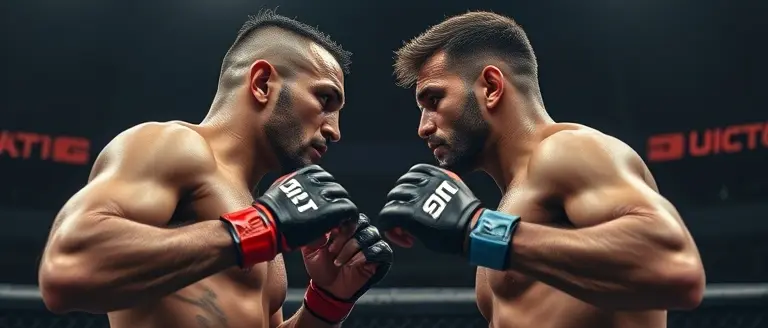
The highly anticipated conor mcgregor fight at UFC 329 ended in heartbreak for fans, but a technical analysis of the opening moments reveals intriguing data regarding the fighters’ strategies before the injury occurred. Despite the five-year hiatus, conor mcgregor entered the octagon with a familiar stance, utilizing a wide, bladed karate-style base designed to manage distance and facilitate his signature straight-left counters. Footage from the opening seconds indicates that McGregor was attempting to establish a rhythm by feinting to draw out max holloway, hoping to exploit the gap in Holloway’s high-volume, pressure-heavy approach.
Analyzing the Early Exchanges
Before the medical stoppage, both athletes displayed disciplined approaches. Holloway, known for his relentless pace, appeared more patient than usual, likely acknowledging the threat posed by McGregor’s precision striking. Key observations from the brief engagement include:
- Distance Management: McGregor maintained an optimal striking distance, utilizing his reach advantage to stay just outside of Holloway’s pocket.
- Defensive Posture: Holloway kept his lead hand active, looking to parry or intercept McGregor’s attempts to find his range early.
- Tactical Rhythm: Both fighters were measuring one another, with neither committing to high-risk combinations, suggesting a cautious start to what was expected to be a high-stakes mcgregor vs holloway tactical chess match.
The injury occurred during a pivot as McGregor sought to reset his position, cutting short what could have been a masterclass in striking exchanges. Because the fight ended so abruptly, it remains difficult to definitively say who had the upper hand; however, the lack of immediate damage suggested that conor mcgregor vs max holloway 2 was effectively a clean slate. While the outcome will be recorded as a TKO for Holloway, the brief window of activity showed that both fighters were technically sound, making the unfortunate medical incident even more disappointing for those tracking the return of a combat sports icon.
The Road to Recovery: Managing the Return of an Icon

The sudden injury sustained by Conor McGregor during his return to the octagon at UFC 329 raises complex questions regarding the physiological demands placed on elite athletes following a prolonged hiatus. After a five-year layoff, the human body—even one conditioned at the highest level of combat sports—faces unique structural risks. When an athlete transitions from training intensity to the explosive, high-impact environment of a professional conor mcgregor fight, the discrepancy between “gym-ready” endurance and “fight-night” durability often becomes a critical point of failure. Medical experts suggest that long breaks can lead to neuromuscular desensitization, where the body’s reactive patterns struggle to keep pace with the high-velocity movements required in a championship-caliber bout.
Challenges of Long-Term Rehabilitation
Managing the recovery of an athlete of McGregor’s profile requires a multi-disciplinary approach that balances immediate surgical intervention with long-term functional restoration. For a high-profile return like the mcgregor vs holloway rematch, the psychological toll of a premature stoppage must be addressed alongside the physical rehabilitation.
Considerations for the recovery phase include:
- Neuromuscular Conditioning: Re-establishing the rapid-fire reaction times necessary to avoid the specific type of impact trauma seen in the McGregor vs Max Holloway 2 bout.
- Load Management: Gradual integration of sport-specific stresses to ensure that connective tissues are structurally prepared for the sudden bursts of power required in modern MMA.
- Professional Oversight: Leveraging advanced data analytics to monitor physiological markers, ensuring that the return to the gym does not outpace the biological healing timeline.
If the goal is a 2027 comeback, the path forward is dictated not by desire, but by the biology of tissue repair and the tactical need to mitigate repetitive injury patterns. While Max Holloway has expressed a willingness to wait for a trilogy, the reality of the sport demands that McGregor prioritize comprehensive physiological stability over the urgency of a high-profile comeback. The focus must shift from the anticlimactic finish to a strategic, phased return to competition.
Unfinished Business: The Feasibility of a 2027 Trilogy Fight
The anticlimactic end to the Conor McGregor vs Max Holloway 2 bout at UFC 329 has left the combat sports world in a state of suspended animation. While the TKO victory for Holloway stands in the record books, the abrupt nature of the injury—occurring mere seconds into the opening round—has fueled an immediate and intense conversation regarding a potential trilogy. From a commercial standpoint, the McGregor brand remains a financial juggernaut, and the narrative of “unfinished business” provides the UFC with a ready-made promotional engine for a 2027 return.
Critical Factors for a 2027 Return
The feasibility of finalizing a third fight depends on several medical and strategic variables:
- Rehabilitation Timeline: Following a high-level injury after a five-year layoff, Conor McGregor must navigate a rigorous physical recovery. Evidence suggests that a return to elite-level championship form typically requires 12 to 18 months of intensive rehabilitation, making a 2027 window the earliest realistic timeframe for peak performance.
- Tactical Retrospective: The opening seconds of the fight revealed a tentative exchange where both fighters were testing distance. Because the Conor McGregor fight ended before any tactical rhythm was established, the mystery of how their styles would clash in the modern era remains unresolved.
- Promotional Strategy: Max Holloway has publicly expressed a willingness to wait, demonstrating that the professional incentive to close this chapter is mutual.
Ultimately, the UFC’s ability to book this bout depends on whether McGregor decides to pursue a legacy-focused return or retreat from the octagon permanently. If the goal is a definitive conclusion to one of the sport’s most storied rivalries, a 2027 trilogy is not just a promotional dream—it is a logical conclusion for two athletes whose paths remain inextricably linked by this unexpected injury. Until then, the combat sports community will continue to speculate on whether the Irishman has one final, career-defining performance remaining in his arsenal.
The Path Toward Restorative Performance
The premature end to the McGregor vs. Holloway clash serves as a sobering reminder that professional longevity in combat sports is not merely about grit—it is a sophisticated battle against systemic stress. While the immediate focus remains on the structural integrity of a returning athlete’s limbs, the true toll of the sport often manifests in the hidden corners of human performance: cognitive clarity, neural health, and sensory stability. Managing the aftermath of trauma requires a shift in perspective, prioritizing recovery as an essential, proactive component of an athlete’s cycle rather than an afterthought.
For those of us not in the octagon but fighting our own daily battles against mental fog and auditory fatigue, the lesson remains the same. True endurance requires a commitment to restorative health that mirrors the regimen of the elite. Audifort is engineered specifically to support optimal blood flow and brain health, providing the foundation for the kind of mental sharpess that defines peak performance. By integrating this into your wellness strategy, you are choosing to prioritize your sensory health with the same intensity that a professional athlete directs toward their career longevity.
As we speculate on the future of the McGregor-Holloway rivalry in 2027, remember that your own ‘comeback’—whether in your professional career or your physical health—starts with the right foundation. It is time to treat your recovery with the seriousness it deserves and reclaim your peak potential.
 Support your own long-term cognitive clarity and sensory performance with the same focus on recovery that elite athletes demand.Transform My Life Today