

The 2026 FIFA World Cup quarterfinal between England and Norway in Miami will be remembered as a masterclass in tactical endurance. As the final whistle blew after a tense 120 minutes, it wasn’t just the physical toll on Erling Haaland and Jude Bellingham that defined the match, but the relentless strategic chess match occurring across every inch of the pitch. While fans worldwide debated who won the individual battle, the real victory belonged to the team that maintained the highest level of cognitive focus throughout the extra-time period.
This deep dive moves past the generic headlines of the England vs. Norway game to explore the precise defensive structures and tactical adjustments that secured England’s semifinal berth. To fully grasp why this match turned in England’s favor, we must look beyond the scoreboard and analyze the high-level decision-making processes under pressure. Just as the players needed peak mental acuity to navigate this high-stakes environment, you need your full cognitive focus to process the complex tactical data that defined this historic encounter.
England vs. Norway: A 2026 World Cup Quarterfinal Classic in Miami

The 2026 World Cup quarterfinal held on July 11 in Miami, Florida, will be remembered as a defining moment in modern international football. The clash between England and Norway lived up to the immense hype, delivering a high-stakes, grueling encounter that pushed both sides to their physical and tactical limits. Under the intense South Florida sun, the match became an immediate classic, ultimately requiring extra time to separate the two determined squads. England’s eventual victory proved their resilience in tournament play, securing a hard-fought path to the semifinals while ending a spirited run for the Norwegian side.
Key Factors in the Quarterfinal Battle
The narrative leading into the England vs. Norway fixture was dominated by the individual duel between global icons Erling Haaland and Jude Bellingham. However, the reality of the 90-plus minutes on the pitch centered on collective defensive discipline and the ability to manage the oppressive Miami heat.
- Tactical Defensive Stance: England utilized a compact, disciplined low-block to neutralize Haaland’s explosive movement, limiting his service throughout much of the regulation period.
- Extra Time Advantage: As the game progressed into the final periods, England’s depth proved decisive, allowing them to dictate the tempo against a visibly fatigued Norwegian midfield.
- Clinical Execution: The decisive moments in extra time showcased the clinical nature of the English attack, which finally breached a resilient Norwegian defense to clinch the semifinal berth.
For those asking who won Norway or England, the answer is a testament to the tactical evolution of the English squad under high-pressure conditions. By successfully managing the transition game and keeping their composure during the suffocating humidity, England demonstrated why they were favorites heading into the tournament. This England vs. Norway game was more than a mere scoreline; it was a masterclass in tournament management that now sets the stage for England’s pursuit of the 2026 World Cup trophy.
The Haaland vs. Bellingham Duel: Tactical Significance

The highly anticipated quarterfinal England vs Norway game was billed as a clash of modern titans, specifically focusing on the battle between Erling Haaland and Jude Bellingham. While the narrative often centers on their individual brilliance, the tactical reality of the 2026 FIFA World Cup showdown revealed a sophisticated defensive blueprint designed specifically to stifle Norway’s talisman. England utilized a disciplined low-to-mid block, effectively collapsing their defensive lines whenever the ball approached the final third. By employing a “sandwich” marking system—frequently utilizing a secondary pivot to track Haaland’s vertical runs—England ensured the striker had minimal space to exploit the high line, effectively neutralizing his pace during the 120 minutes of intense football.
Bellingham’s Orchestration in the Pockets
While the focus remained on Haaland’s containment, Jude Bellingham became the true architect of the match. Operating in the pockets of space between Norway’s midfield and defensive lines, Bellingham dictated the tempo of the game with exceptional vision. His ability to receive the ball under pressure and progress play into wide areas forced Norway to stretch their structure, eventually creating the cracks that led to England’s breakthrough in extra time.
Key tactical takeaways from the England norway duel include:
- Defensive Discipline: England’s center-backs maintained a strict zonal orientation to deny Haaland access to central through-balls.
- Transition Control: By positioning Bellingham deeper, England successfully mitigated Norway’s counter-attacking threats during the grueling extra-time period.
- Spatial Manipulation: Bellingham’s drifting movements pulled Norway’s holding midfielders out of position, allowing England to maintain superior possession metrics.
Ultimately, the match demonstrated that while star power commands the headlines, the team that manages the tactical space—particularly in high-stakes knockout games—emerges as the winner. England’s methodical containment of the Norwegian attack, combined with Bellingham’s creative freedom, provided the winning formula to secure their place in the tournament semifinals.
England vs. Norway Tactical Analysis: Deciphering the Extra-Time Breakthrough
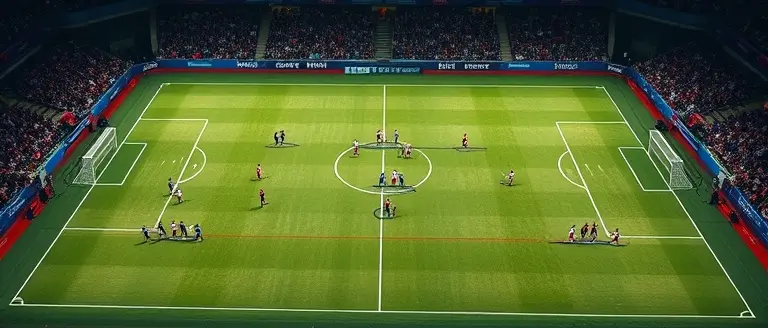
The England vs Norway 2026 World Cup quarterfinal in Miami served as a masterclass in endurance and tactical adaptation. While the opening 90 minutes were defined by a tense deadlock—largely due to England’s disciplined defensive structure nullifying Erling Haaland—the match’s true narrative unfolded during the grueling extra-time period. England’s coaching staff opted for a shift in pressing intensity, moving away from a mid-block to a high-press system that deliberately targeted Norway’s tiring defensive line. By increasing the verticality of their transition play, England forced the Norwegian backline to compress, creating the gaps that ultimately proved decisive in the extra-time breakthrough.
Decoupling the Defensive Structure
The structural breakdown of Norway’s resistance began with England’s tactical substitutions, which injected fresh pace into the wide areas. Key takeaways from this shift include:
- Midfield Overload: England transitioned from a double pivot to an aggressive attacking trio, forcing Norway’s defensive midfielders to drop deep and creating space at the edge of the 18-yard box.
- Haaland Isolation: By maintaining a compact defensive shell whenever Norway regained possession, England ensured that Haaland remained isolated from his creative outlets, effectively neutralizing his ability to influence the game in the final third.
- Physical Exhaustion: England’s high-press strategy capitalized on the high heat and humidity in Miami. As Norway’s legs grew heavy, their defensive spacing widened, allowing Jude Bellingham to exploit pockets of space that were previously unavailable.
This decisive tactical pivot underscores why the England norway game will be remembered as a victory for superior depth and tactical flexibility. By successfully managing the fatigue factor, England managed to break the deadlock and secure their passage to the semifinals, confirming that their defensive organization against one of the world’s most lethal strikers was the fundamental pillar of their quarterfinal success.
England vs. Norway 2026 World Cup Highlights: Key Moments That Defined the Match
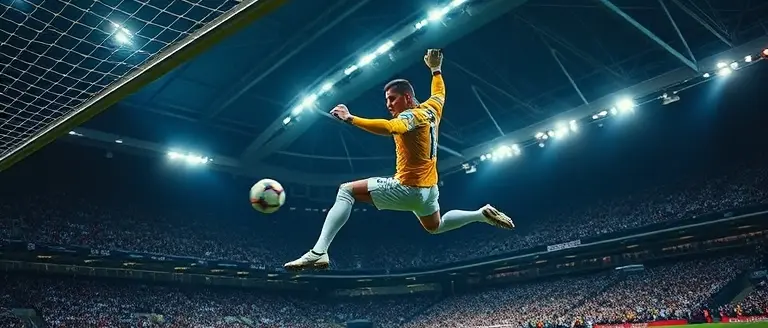
The England vs. Norway 2026 World Cup quarterfinal in Miami will be remembered as a masterclass in tactical attrition. While the narrative leading up to the game focused heavily on the individual duel between Erling Haaland and the Three Lions’ defensive line, the match itself was decided by structural discipline and clinical execution during the high-pressure extra time period. England’s ability to neutralize Norway’s transition play served as the foundation for their eventual victory, proving that team cohesion often triumphs over singular star power in knockout football.
Critical Turning Points
The flow of the game shifted on three distinct occasions that defined why England ultimately emerged as the victor:
- The Haaland Containment Strategy: Throughout the first 90 minutes, England utilized a sophisticated “compact block” to deny space to Erling Haaland. By forcing Norway to play through the flanks rather than through the middle, England limited the striker’s touches in the final third, effectively neutralizing Norway’s primary attacking threat.
- The Midfield Transition Shift: A pivotal moment occurred midway through the second half when Jude Bellingham began dropping deeper to dictate the tempo. This tactical adjustment allowed England to maintain possession, exhausting the Norwegian defense and creating the fatigue that eventually led to the breakdown of their defensive line in extra time.
- The Extra Time Breakthrough: The match-winning sequence was a testament to England’s superior squad depth. In the 104th minute, a rapid counter-press forced a turnover in the midfield, leading to a clinical finish that shattered Norway’s resolve. This sequence highlighted the difference in fitness levels and tactical patience between the two squads, as England capitalized on a rare structural lapse by the Norwegian backline.
These highlights demonstrate that who won Norway or England was not merely a matter of luck, but a reflection of a refined game plan. While Norway displayed immense discipline, England’s ability to remain patient and strike when the opportunity arose secured their path to the semifinals, confirming their status as a formidable force in the 2026 tournament.
Mastering the Tactical Science of the 2026 World Cup
England’s victory over Norway was not merely a result of physical exertion; it was a testament to elite tactical discipline and the ability to execute under extreme pressure. While the headlines will forever highlight the individual brilliance of Jude Bellingham and the persistent threat of Erling Haaland, the true story lies in the defensive masterclass that stifled Norway’s transition play throughout those grueling 120 minutes. Understanding the chess match behind such a high-stakes quarterfinal requires more than just passive observation—it demands a high level of mental clarity.
Analyzing the strategic intricacies of a match like this requires peak mental sharpness. Just as players need to stay focused for 120 minutes of extra time, you need your full cognitive energy to capture the subtle nuances that defined this result. This is where The Brain Song becomes an essential tool for the serious football analyst. By eliminating mental fog and enhancing your cognitive processing capacity, this 12-minute daily routine allows you to move beyond the surface-level highlights and truly master the complex tactical data that separates the elite from the rest.
Don’t just watch the game—understand it with the same precision that dictated the outcome on the pitch. Elevate your analytical game and ensure you possess the mental focus required to deconstruct every tactical evolution of the 2026 World Cup. It is time to sharpen your edge and gain a deeper appreciation for the beautiful game.
 Optimize your analytical focus for the full tactical breakdown with The Brain Song’s 12-minute daily routine.Unlock My Peak Cognitive Performance Now!