
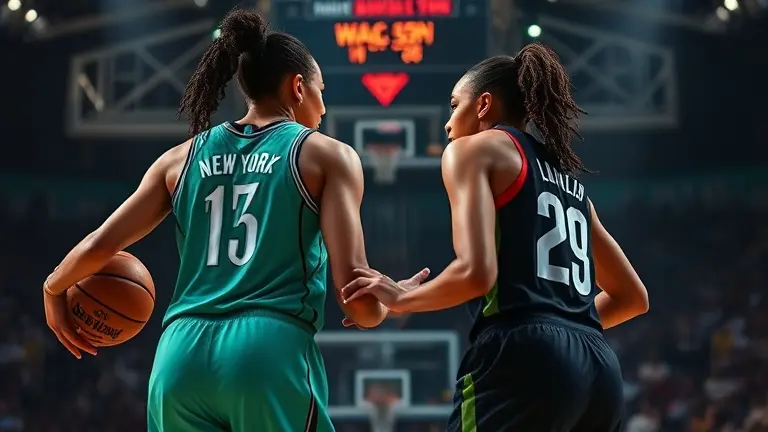
The July 11, 2026, collision between the New York Liberty and the Minnesota Lynx is no longer just a regular-season game—it is the definitive test of the 2026 WNBA hierarchy. With the Las Vegas Aces dynasty under mounting pressure, both the Liberty and the Lynx have evolved, implementing tactical roster shifts that have fundamentally altered how they navigate the hardwood. This matchup has become the focal point of the league, drawing intense scrutiny from analysts and bettors alike who are desperate to decode how these changes will impact the eventual playoff bracket.
For the serious fan, understanding the interplay between these two titans goes beyond glancing at the scoreboard. It requires a deep dive into injury report implications for stars like Satou Sabally and a granular look at the evolving defensive assignments that will define the game. In an era of high-speed, data-driven sports, the capacity to process these complex tactical variables separates the casual viewer from the strategic expert. As we dissect this rivalry, we invite you to sharpen your cognitive lens to ensure you do not miss the subtle, game-deciding patterns emerging in this high-stakes encounter.
Liberty vs. Lynx: The Mid-Season Collision Defining the 2026 WNBA Race
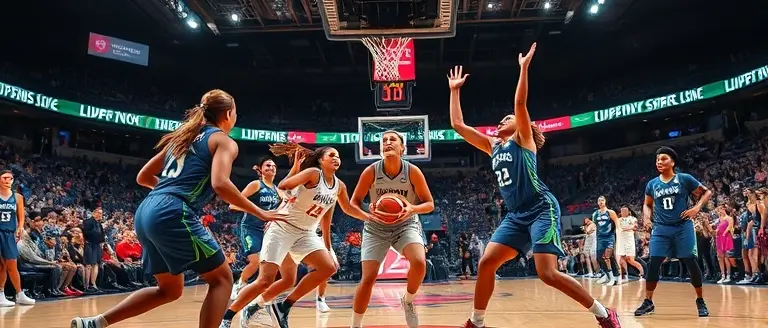
The July 11, 2026, showdown between the New York Liberty and the Minnesota Lynx represents more than just a mid-season contest; it is a tactical litmus test for the top contenders aiming to dismantle the reigning Las Vegas Aces dynasty. With the Lynx holding a formidable 16-6 record and the Liberty pushing forward at 13-9, this matchup at the Target Center serves as a high-stakes indicator of who holds the momentum heading into the final stretch of the season. As both teams navigate the complexities of their respective conferences, this game is increasingly viewed by analysts as a potential WNBA Finals preview.
Strategic Significance and Playoff Implications
The rivalry has evolved significantly in 2026, transitioning from periodic conference clashes to a definitive battle for seeding supremacy. For the Liberty, this game is a critical opportunity to demonstrate defensive growth against a high-octane Lynx offense, while Minnesota aims to cement its status as the team to beat in the West.
Key factors driving the intensity of this matchup include:
- The Pursuit of Dynasty: Both franchises are utilizing this series to stress-test their rotations against elite competition, mirroring the high-pressure environment of the postseason.
- Seeding Leverage: Every victory against a conference-leading opponent carries immense weight for tie-breaker scenarios, making the outcome of this liberty vs lynx encounter essential for securing home-court advantage.
- Roster Resiliency: With lingering questions regarding the health of stars like Olivia Miles and Satou Sabally, this game forces both coaching staffs to experiment with depth, providing a clearer picture of their bench strength should injury-related absences persist into the playoffs.
Ultimately, the clash between New York’s perimeter versatility and Minnesota’s interior dominance provides a compelling tactical contrast. By analyzing these head-to-head adjustments, fans and experts alike can better gauge which squad possesses the necessary depth and defensive discipline to sustain a championship run in the final months of the 2026 season.
Injury Report: Tracking Key Availability for New York and Minnesota

The liberty vs lynx matchup on July 11, 2026, carries significant weight for WNBA playoff seeding, making the current injury report the most critical factor for bettors and analysts alike. As both franchises push for top-tier positioning, the availability of star talent determines not only the game’s outcome but also the tactical integrity of each team’s rotation.
Impact of Star Absences on Roster Depth
The status of Satou Sabally remains a primary point of concern for the Dallas-integrated Minnesota Lynx lineup. Her presence on the floor provides the necessary defensive versatility and spacing required to combat the Liberty’s perimeter shooting. If she is sidelined or restricted, the Lynx are forced to lean heavily on their bench depth, which significantly alters their defensive schemes and ability to contest shots in the paint.
Similarly, the New York Liberty are navigating the uncertainty surrounding Olivia Miles. As a key playmaker, Miles’ potential absence forces a major shift in the team’s ball-handling duties. Her ability to facilitate the offense is essential for the Liberty to maintain their high-tempo transition game against a disciplined Minnesota defense. Key considerations regarding these injuries include:
- Rotational Shifts: Coaches must determine if they will adopt a “next-player-up” mentality or adjust their base offensive sets to account for limited playmaking.
- Defensive Adjustments: Without star anchors, teams often drop into more conservative zone coverages to protect the paint, impacting the total score trajectory.
- Stamina Concerns: Shorter rotations due to injury often result in fatigue for starters in the final quarter, frequently becoming the deciding factor in tight games.
For fans and bettors, the final injury designations are released approximately 60 to 90 minutes before tip-off. To ensure you have the most accurate information before placing wagers or finalizing your tactical predictions, rely on official league reports provided by the WNBA communications team or verified team social media channels. Monitoring these updates remains essential as lineups often shift during warm-ups based on the players’ ability to manage discomfort during pre-game drills.
Tactical Breakdown: Key Player-on-Player Matchups
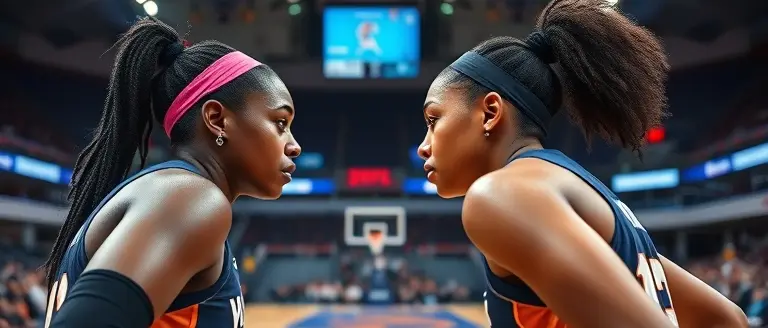
The liberty vs lynx rivalry in 2026 has evolved into a masterclass of contrast, pitting New York’s high-octane, perimeter-oriented offense against Minnesota’s disciplined, high-pressure defensive architecture. At the Target Center, the tactical battle will be won or lost in the transitions. Minnesota’s backcourt is expected to employ a “deny-the-ball” strategy against New York’s primary playmakers, forcing them into contested mid-range shots rather than allowing clean looks from behind the arc. For the Liberty, success hinges on their ability to space the floor effectively; if their shooters can pull the Lynx’s rim protectors away from the paint, lanes will open for high-percentage drives that have been the hallmark of their mid-season efficiency.
Defensive Assignments and Frontcourt Battles
The frontcourt matchup represents the most volatile element of this contest. With ongoing questions regarding the availability of stars like Satou Sabally, defensive rotations will be under immense scrutiny. The Lynx utilize a sagging defensive scheme designed to crowd the paint, which forces opponents to rely on secondary options. Key tactical considerations for this matchup include:
- Perimeter Lockdown: Minnesota’s ability to switch screens will challenge the Liberty’s ball movement, necessitating quick decision-making to avoid shot-clock violations.
- Paint Protection: The Lynx’s interior defense is currently among the league’s elite, meaning New York must utilize high-post passing to dismantle their defensive structure.
- Transition Efficiency: Both head coaches prioritize pace, but Minnesota’s focus on rebounding—specifically limiting second-chance opportunities—will be the primary barrier for the Liberty’s offense.
Ultimately, this game serves as a litmus test for the 2026 WNBA playoff bracket. Minnesota’s coaching staff has shown a preference for systematic, half-court execution, while the Liberty remain lethal in secondary breaks. If the Liberty can neutralize Minnesota’s pressure early, they may force the Lynx into an uncomfortable pace, fundamentally shifting the momentum in what is arguably the most intense rivalry of the season.
Statistical Edge: Comparing 2026 Performance Metrics

As we analyze the liberty vs lynx matchup on July 11, 2026, the statistical divide between these two powerhouses tells a story of contrasting basketball philosophies. The Minnesota Lynx (16-6) have established themselves as a defensive juggernaut, maintaining a top-tier defensive rating that forces opponents into high-pressure scenarios. Conversely, the New York Liberty (13-9) operate with a high-octane offensive rhythm, consistently ranking among the league leaders in three-point efficiency. This divergence is the primary narrative driving the betting odds and tactical discussions surrounding this pivotal mid-season clash.
Key Performance Indicators
When dissecting the data, three specific metrics highlight the tactical friction between these squads:
- Defensive Rating: The Lynx lean heavily on a disciplined, paint-clogging scheme that suppresses opponent field goal percentages, a direct challenge to the Liberty’s interior passing game.
- Assist-to-Turnover Ratio: New York displays elite ball movement, relying on high-volume perimeter play. However, their success hinges on maintaining a favorable assist-to-turnover ratio against Minnesota’s aggressive defensive pressure.
- Three-Point Efficiency: While the Liberty are lethal from behind the arc, the Lynx prioritize perimeter containment, forcing the Liberty to prove they can operate effectively inside the arc if their long-range shooting is stifled.
The strategic challenge for New York involves neutralizing Minnesota’s size advantage, while the Lynx must solve the spacing issues created by New York’s perimeter-oriented lineup. If the Liberty can push the pace and dictate transition opportunities, they may mitigate Minnesota’s half-court defensive dominance. However, should the game settle into a grind-it-out rhythm, the Lynx’s superior efficiency in managing possessions and minimizing turnovers provides a significant edge. As injury reports regarding key players like Olivia Miles and Satou Sabally continue to shift, the team that manages these rotations better will likely control the game’s flow and secure a crucial victory in this potential WNBA Finals preview.
Mastering the Tactical Chess Match
The July 11, 2026, showdown between the New York Liberty and the Minnesota Lynx is far more than a mid-season fixture; it is a definitive litmus test for the WNBA playoffs. As we have examined, the tactical shifts in roster construction and defensive rotation have created a high-stakes environment where every possession dictates the final bracket trajectory. Understanding these nuances requires more than just passing interest; it demands deep, analytical focus to process the evolving variables of this rivalry.
As we break down the complex tactical shifts defining this 2026 rivalry, staying sharp is essential to spotting the hidden patterns that will decide the WNBA Finals seeding. The intricate data—from injury-impacted rotations to high-level defensive schemes—can lead to cognitive fatigue for even the most dedicated analyst. This is precisely why The Brain Song serves as an indispensable tool; it helps you clear the mental fog, ensuring you possess the sharp focus required to synthesize these complex sports metrics and stay ahead of the curve.
By integrating this unique cognitive support into your pre-game preparation, you transform from a casual observer into a master of the game’s finer details. Don’t let mental exhaustion prevent you from identifying the tactical pivots that will crown the next WNBA champion. Elevate your analytical game, clear the noise, and gain the competitive edge you need to truly master the statistics of this marquee matchup.

Optimize your focus for the upcoming tip-off; listen to The Brain Song to clear the fog and master the details of this high-stakes matchup.
Sharpen My Analytical Focus Now!