

Eli Lilly and Company (LLY) has effectively rewritten the playbook for big pharma, adding an staggering $400 billion in market value over the past year. With stock prices soaring past the $1,200 mark, the company’s success is no longer tied solely to domestic performance; it is driven by a massive, aggressive pivot toward global dominance in the GLP-1 weight-loss and diabetes medication market. However, as Lilly expands its reach across borders, the company enters a precarious phase of geopolitical supply chain management and increasing international regulatory hurdles.
For the professional investor and the informed observer, the headline price action is only the surface of a much deeper institutional evolution. The true test for Eli Lilly lies in its ability to scale production while navigating the starkly different pricing landscapes of global healthcare systems. As we analyze the sustainability of this growth, it becomes clear that the appetite for metabolic management has reached a critical mass—one that extends far beyond the reach of any single pharmaceutical giant and directly into the daily lives of millions seeking stable, long-term health solutions.
The $400 Billion Catalyst: Assessing Eli Lilly’s Record-Breaking July 2026 Market Surge

The meteoric rise of Eli Lilly and Company (LLY) throughout the last year represents one of the most significant valuation shifts in pharmaceutical history. As of early July 2026, the company has added approximately $400 billion in market capitalization, a testament to the surging demand for its GLP-1 weight-loss and diabetes treatments. With the stock price reaching $1,213.91 as of July 2, 2026—climbing sharply from the $773 levels observed in previous cycles—Lilly has effectively redefined the growth expectations for big pharma. This rally is not merely speculative; it is anchored in consistent quarterly financial performance and an aggressive scaling of production to meet unprecedented global demand.
Drivers of Institutional Valuation
The sustained rally in Eli Lilly and Company stock is fundamentally supported by the commercial dominance of its GLP-1 portfolio. Unlike typical market fluctuations characterized by volatility and sector-wide rotations, Lilly’s performance is driven by concrete clinical success and operational expansion. Investors have responded favorably to several key developments:
- GLP-1 Revenue Dominance: The widespread adoption of their flagship weight-loss medications has turned the company into a primary focal point for global healthcare investors.
- Operational Scaling: The jump in share price reflects institutional confidence in the company’s ability to bypass historical supply chain bottlenecks through massive manufacturing investments.
- Strategic Market Expansion: Lilly has successfully transitioned from a US-reliant revenue model toward a more diversified international strategy, securing future growth buffers against potential domestic regulatory shifts.
This transition marks a departure from historical industry norms, where pharmaceutical giants often faced stagnant growth periods following the patent cliffs of blockbuster drugs. By successfully pivoting to satisfy the international appetite for chronic disease management, Eli Lilly and Company has insulated its valuation from localized market pressures, positioning itself as a dominant, long-term force in the global equity landscape.
Beyond the Domestic Market: The Strategic Pivot to Global Expansion

While Eli Lilly and Company has built its recent $400 billion market valuation surge on the back of explosive domestic demand for GLP-1 medications, the company’s long-term institutional value is now tethered to a deliberate transition toward global market dominance. The pivot away from US-centric reliance represents a strategic shift designed to insulate the firm from potential domestic pricing pressures and market saturation. By aggressively expanding its supply chain infrastructure into Europe, Asia, and emerging markets, Lilly is attempting to cement itself as the primary provider of weight-loss and diabetes therapies on a global scale.
Navigating Regulatory and Supply Chain Complexity
Scaling a pharmaceutical powerhouse across disparate regulatory environments introduces significant operational hurdles. Unlike the relatively unified US marketplace, international growth requires maneuvering through complex, country-specific reimbursement frameworks and diverse healthcare policies. To maintain its competitive edge, Eli Lilly and Company must balance aggressive regional distribution strategies with the realities of international scrutiny. Investors are increasingly focused on several key operational pillars:
- Localized Manufacturing Resilience: Building regional production hubs to reduce dependency on US-based supply chains, thereby mitigating geopolitical risks and logistical bottlenecks.
- Pricing Strategy Divergence: Navigating the stringent price control mechanisms prevalent in European markets while maintaining margins high enough to justify massive R&D reinvestment.
- Clinical Access and Approval: Accelerating the regulatory approval process in high-growth Asian markets to capture early-mover advantages before generic or biosimilar competition scales.
As the company scales, this geographic diversification is not merely an exercise in volume; it is a vital hedge against the potential for US-based drug price regulation. By establishing deep-rooted market presence in regions with rising obesity rates, Lilly is positioning itself as a foundational pillar of international healthcare systems, moving beyond the “hype” phase to become a truly global, diversified, and sustainable pharmaceutical leader.
Operational Scalability: Solving the Global Supply Chain Bottleneck

The meteoric rise of Eli Lilly and Company is inextricably linked to its ability to manufacture and distribute complex GLP-1 biologics at a scale previously unseen in the pharmaceutical industry. As demand surges beyond initial projections, the company has pivoted toward a massive infrastructure expansion. Scaling production for these medications is not merely a matter of increasing volume; it requires managing the high-precision manufacturing of sensitive peptides that necessitate rigorous sterile environments and specialized fermentation technologies.
Overcoming Manufacturing and Logistics Hurdles
To meet the global appetite for its weight-loss and diabetes treatments, Eli Lilly and Company has embarked on a multi-billion dollar capital expenditure program. The operational strategy centers on regionalization to mitigate the risks of long-haul international shipping. Key challenges include:
- Cold-Chain Integrity: Maintaining the efficacy of biologics requires strict temperature-controlled logistics, which becomes exponentially more difficult when navigating the varied regulatory and infrastructural landscapes of international markets.
- Facility Lead Times: Constructing state-of-the-art production sites is a multi-year endeavor. Investors must monitor how effectively the company executes on these capital projects while simultaneously managing high-velocity production at existing sites.
- Regulatory Harmonization: Scaling across borders requires navigating disparate drug approval and importation regulations, which often act as a secondary bottleneck to physical production constraints.
The company’s ability to successfully transition from a US-reliant distribution model to a decentralized, globalized production network will be the primary determinant of its long-term financial performance. By investing in local manufacturing capacity, Lilly aims to hedge against supply chain volatility and potential trade friction. Institutional analysts suggest that while the current market value of the firm reflects immediate success, long-term stability hinges on this structural shift toward operational independence from localized US supply lines.
Institutional Structural Outlook: Evaluating Long-Term Market Dominance

For institutional investors assessing the multi-year trajectory of Eli Lilly and Company, the focus has shifted from simple revenue growth to the sustainability of its structural competitive advantage. While the recent $400 billion valuation surge is tied to the immediate commercial success of its GLP-1 portfolio, long-term dominance hinges on the firm’s ability to navigate global supply chain complexities and defend its market position against emerging biosimilars. The current pivot toward international market penetration represents a calculated effort to diversify revenue streams beyond the saturated US landscape, reducing dependency on a single regulatory environment.
R&D Pipeline and Defensive Moats
The resilience of Eli Lilly resides in a robust R&D pipeline that extends beyond weight-loss and diabetes management. By aggressively reinvesting capital into next-generation drug delivery mechanisms and potential cardiometabolic applications, the company is effectively building a “moat” that is difficult for generic manufacturers to replicate. Key pillars of this defensive strategy include:
- Supply Chain Resilience: Scaling production to meet global demand requires massive capital expenditure in high-tech manufacturing, creating a high barrier to entry for smaller competitors.
- Patent Protection and Lifecycle Management: Ongoing efforts to secure long-term patent exclusivity for proprietary formulations buffer the firm against the inevitable surge of biosimilar competition.
- Operational Scale: The transition from domestic reliance to global infrastructure allows Lilly to leverage economies of scale, improving profit margins despite potential international price regulation.
Ultimately, the institutional outlook remains focused on the efficacy of this global scaling strategy. If the company successfully mitigates the geopolitical challenges associated with cross-border pharmaceutical supply chains, it will likely maintain its status as a cornerstone of the Big Pharma sector. Analysts must continue to monitor the balance between aggressive capital allocation and the mounting pressure from international regulators to ensure the company’s long-term enterprise value remains aligned with its current growth trajectory.
Beyond the Corporate Horizon: Securing Your Metabolic Future
The meteoric rise of Eli Lilly and Company is more than a Wall Street success story; it is a profound reflection of a global shift in metabolic health. As the firm pivots from its US stronghold to conquer international markets, it faces the complex, structural realities of global supply chains and regulatory scrutiny. For investors, this trajectory signals that the demand for metabolic support is not a fleeting trend, but a foundational pillar of modern healthcare economics.
While Eli Lilly’s global expansion highlights the massive scale of the pharmaceutical response to metabolic health, investors and patients alike are increasingly looking for foundational ways to support long-term glucose management beyond just the clinical supply chain. Proactive health management is no longer a luxury; it is the most effective hedge against metabolic instability. This is where Gluco6 serves as a vital tool for those aiming to optimize insulin response and stabilize glucose levels naturally.
By integrating Gluco6 into your daily regimen, you are taking a proactive stance on the very health markers that the entire pharmaceutical industry is scrambling to address. This isn’t just about managing numbers; it’s about reclaiming your vitality and empowering yourself with the same scientific focus that is currently reshaping global markets. Take control of your metabolic health today and build a sustainable foundation for your long-term wellness.
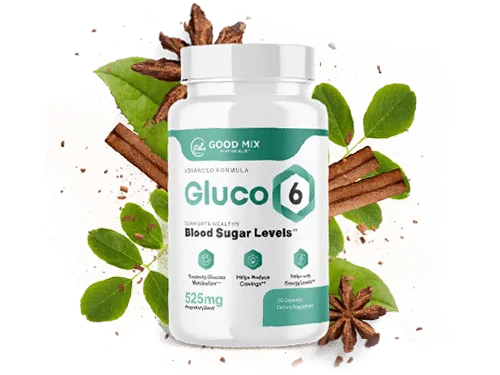 Discover how to support your metabolic health and glucose stability as a foundational approach to long-term wellness.Yes, I Want to Optimize My Metabolism Now!