
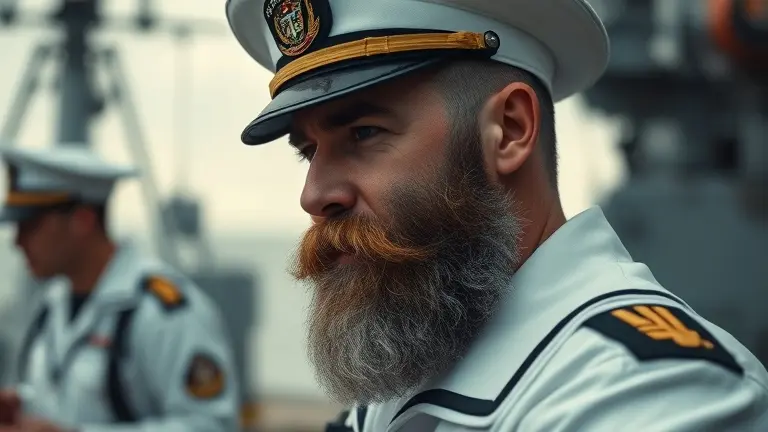
The simmering tension between individual grooming preferences and military discipline has reached a boiling point. When US Secretary of Defense Pete Hegseth recently confronted Navy personnel over non-compliance with established beard policies, he wasn’t just policing aesthetics; he was signaling a pivot toward a more uncompromising era of military standardization. This public clash, occurring against a volatile geopolitical landscape, has sent shockwaves through the ranks, leaving service members to navigate a tightening web of regulations where even long-standing medical shaving waivers are now capped at a single year.
As the Department of the Navy accelerates its move to limit these accommodations, the debate has shifted from simple dress-code enforcement to a critical examination of operational readiness. Many service members are now trapped between the threat of separation for grooming infractions and the practical realities of managing persistent health concerns. This article peels back the layers of the Hegseth beard policy, exploring how the shift toward absolute uniformity is forcing a new culture of personal health management among those tasked with guarding the nation’s interests.
The Clash on the Deck: Secretary Hegseth and the Navy’s Grooming Mandate
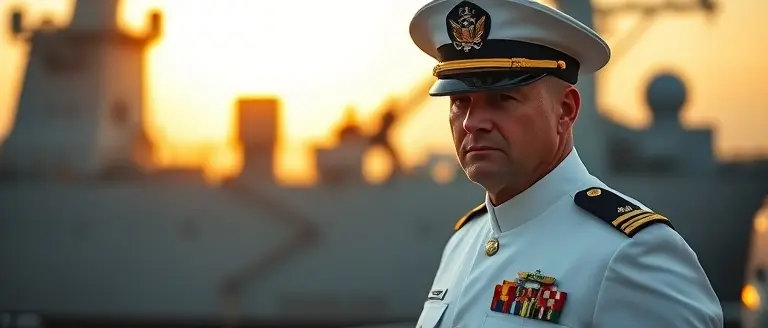
The friction surrounding the hegseth beard policy reached a boiling point on July 10, 2026, when Secretary of Defense Pete Hegseth reportedly confronted Navy personnel during a high-profile ship visit. Witnesses noted a palpable tension as the Secretary expressed direct frustration regarding the prevalence of facial hair among sailors, viewing the non-compliance as a lapse in the traditional military discipline he seeks to restore. This confrontation serves as a microcosm of the broader struggle between the administration’s drive for strict military grooming policy uniformity and the evolving medical and operational requirements of modern service members.
Operational Readiness vs. Traditional Uniformity
The push for stricter adherence is unfolding against a backdrop of heightened geopolitical tensions involving the US and Iran, forcing leadership to weigh optics against morale. Critics of the current mandate argue that the intense focus on appearance overlooks the practical realities of shipboard life, where medical needs often necessitate shaving waivers. Key factors complicating this mandate include:
- Medical Waiver Limitations: Recent directives from the Department of the Navy have effectively tightened the leash on shaving accommodations, capping them at one year to force periodic re-evaluations.
- Command Discretion: There remains significant variance in how individual commanders interpret the pete hegseth military grooming policy, leading to inconsistent enforcement across different fleets.
- Morale and Retention: The threat of separation from service due to grooming violations has introduced a new layer of anxiety, with many sailors concerned that administrative hurdles are being prioritized over mission readiness.
While Secretary Hegseth maintains that visual uniformity is essential to institutional strength, the incident underscores a widening gap between top-down leadership goals and the functional realities faced by the fleet. As the Department of the Navy continues to refine these regulations, the debate highlights the ongoing challenge of maintaining high professional standards in an era where medical necessity and personnel retention are increasingly complex variables in military management.
The Shift in Medical Waivers: Tightening the One-Year Rule

The recent mandate limiting medical shaving waivers to a single year represents a significant pivot in how the Department of the Navy manages military grooming policy. Previously, many service members diagnosed with Pseudofolliculitis Barbae (PFB)—a painful inflammatory condition caused by shaving—were granted long-term or permanent medical exemptions. Under the new guidance, these waivers have been strictly time-bound, shifting the burden of proof back to the individual sailor to justify their medical status annually. This bureaucratic tightening aims to standardize appearance across the fleet, directly aligning with the broader hegseth beard policy initiative that seeks to eliminate perceived lapses in discipline.
Operational Logic and Administrative Burdens
From an administrative perspective, the Navy argues that the indefinite nature of past waivers created a “compliance drift” where sailors stopped seeking alternative treatments or medical re-evaluations. By requiring annual renewals, the Department of the Navy forces a re-engagement with medical staff, ensuring that only those with current, verifiable symptoms remain exempt. However, the pete hegseth military grooming policy has complicated this process, as sailors now report feeling immense pressure to comply with standardized aesthetics rather than prioritizing dermatological health. The transition from “accommodation” to “re-evaluation” creates several critical issues for service members:
- Increased Administrative Load: Medical facilities are facing a surge in appointment requests for waiver renewals, which may lead to backlogs and temporary non-compliance.
- The Threat of Separation: Sailors who fail to secure a timely renewal or who are deemed “fit to shave” by medical boards face potential administrative separation for failing to meet grooming standards.
- Morale and Retention: The perception that medical needs are being sidelined to satisfy a political emphasis on uniformity has caused friction, particularly among veteran sailors who have operated successfully with waivers for years.
Ultimately, this policy shift represents a collision between the clinical realities of dermatological conditions and the top-down desire for a monolithic visual standard. While the Navy maintains that these changes are necessary to ensure readiness and uniformity, the internal debate underscores a growing tension regarding how much personal health autonomy a sailor must sacrifice to satisfy the evolving standards set by leadership.
Quantifying the Conflict: Waivers, Retention, and Discharge Risks

The current administrative push toward a uniform appearance has brought the hegseth beard policy into direct collision with established medical protocols. Recent data suggests a significant disparity between the volume of active medical shaving waivers and the new, restrictive standards mandated by the Department of the Navy. As the Pentagon moves to sunset these waivers after one year, thousands of service members currently utilizing accommodations for conditions like pseudofolliculitis barbae (PFB) face an uncertain future. This shift is not merely aesthetic; it carries heavy implications for personnel retention and force readiness during a period of heightened geopolitical strain.
The Administrative Threshold and Risk of Separation
The tension between top-down grooming enforcement and individual medical necessity is creating a pipeline of administrative risk. If a sailor cannot secure a waiver renewal under the updated guidelines, they theoretically fall into non-compliance, which can escalate from formal counseling to administrative separation. The following factors highlight the depth of this friction:
- Waiver Expiration: The move to cap medical exemptions at 12 months forces a recurring administrative burden on both medical staff and sailors, increasing the likelihood of gaps in coverage.
- Operational Readiness: Critics argue that prioritizing rigid grooming standards over medical necessity risks marginalizing experienced personnel, potentially leading to unnecessary attrition in specialized technical roles.
- Enforcement Inconsistency: The pete hegseth military grooming policy has led to uneven application across the fleet, where localized command pressure to maintain a “honed” appearance often overrides the nuanced medical reality of individual sailors.
The current emphasis on a standardized silhouette suggests that the administration values institutional visual consistency as a proxy for discipline. However, as the Navy reconciles these demands with the practicalities of a professional volunteer force, the potential for widespread discharge due to grooming infractions remains a significant concern. Balancing the high-profile political demands for uniformity against the logistical and morale costs of losing trained assets is now the central challenge for naval leadership.
Discipline vs. Diversity: The Debate Within the Ranks

The recent enforcement of the hegseth beard policy has ignited a polarized debate regarding the balance between traditional military uniformity and the evolving realities of service life. Proponents of the Secretary’s stance argue that strict adherence to grooming standards is a foundational element of discipline, suggesting that a standardized appearance fosters unit cohesion and professional readiness. From this perspective, the current push is seen as a necessary correction to maintain the martial aesthetic that has historically defined the armed forces. However, critics—including various veteran advocacy groups and enlisted personnel—contend that this rigid approach ignores the practical necessity of medical accommodations, such as those for pseudofolliculitis barbae, and may inadvertently create barriers to recruitment and retention.
The Impact of Shaving Waivers on Retention
The pete hegseth military grooming policy shift, particularly the Navy’s decision to cap medical shaving waivers at one year, represents a significant friction point between leadership expectations and operational reality. By forcing service members to undergo recurring medical evaluations, the Department of the Navy has created a high-stakes environment where personal health conditions are now tied directly to career longevity. Key concerns voiced by those within the ranks include:
- Erosion of Morale: Many sailors report that the intensive scrutiny of grooming compliance feels like a distraction from primary mission objectives, particularly during times of heightened geopolitical tension.
- Recruitment Vulnerability: In a competitive labor market, potential recruits may view strict, inflexible grooming standards as an unnecessary obstacle, potentially hindering efforts to attract individuals with diverse backgrounds.
- The Risk of Discharge: The prospect of separation from service due to an inability to conform to strict shaving standards, despite legitimate medical needs, is perceived by some as an outdated management style that undervalues technical expertise in favor of superficial consistency.
Ultimately, the friction surrounding the hegseth beard policy highlights a broader tension within the Department of Defense. While leadership emphasizes that a uniform look is synonymous with a lethal force, the rank-and-file often view these mandates as a top-down disconnect. As the policy continues to evolve, the challenge for the Pentagon will be reconciling the Secretary’s vision of traditional discipline with the modern necessity of maintaining a healthy, capable, and representative volunteer force.
Taking Command of Your Operational Readiness
The intensifying scrutiny surrounding the Hegseth beard policy and the Department of the Navy’s restriction of medical shaving waivers highlights a broader shift toward rigid uniformity. As service members face stricter limits on medical accommodations, the burden of managing physical health and operational readiness falls increasingly upon the individual. Navigating these bureaucratic hurdles requires more than just compliance; it demands proactive management of the internal discomforts that can undermine performance during high-stakes deployments.
In an environment where physical excellence is not just expected but mandated, overlooking persistent health issues is a luxury few can afford. This is where Protoflow becomes a critical ally. By supporting healthy prostate function and enhancing urinary comfort, Protoflow empowers men to address underlying physiological distractions before they become issues of professional standing. It is a tool designed for those who refuse to let physical discomfort compromise their focus, discipline, or dedication to the mission.
Choosing to prioritize your internal health is the most effective way to maintain your edge in a demanding, high-pressure career. Don’t wait for a formal policy change to dictate the quality of your daily life; take the initiative to optimize your well-being today and ensure you remain at peak operational form.
 Support your internal wellness and regain control of your comfort; see how Protoflow is helping men maintain their edge.Secure My Health Advantage Today!