
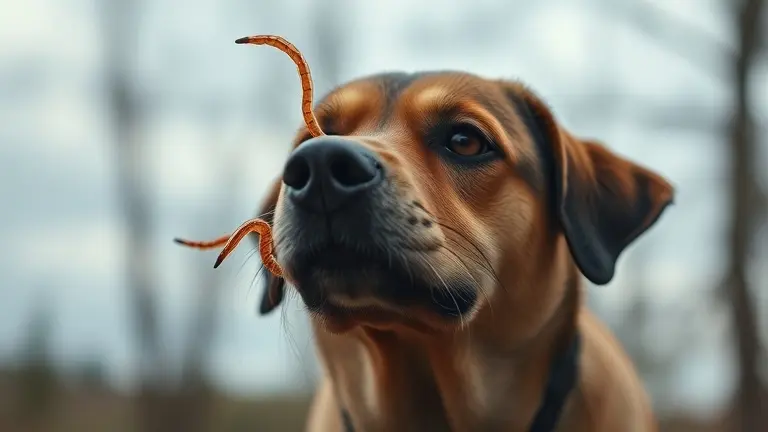
As of July 2026, the re-emergence of the New World screwworm (Cochliomyia hominivorax) in Texas has shifted from a regional concern to a critical public health and animal welfare priority. With confirmed cases rising across 31 locations, this flesh-eating parasite—which targets the living tissue of warm-blooded animals—is causing legitimate alarm among pet owners and livestock producers alike. The urgency of the situation cannot be overstated; once an infestation begins, it progresses with terrifying speed. Understanding how to identify early-stage lesions and, more importantly, how to proactively isolate your animals from the environments where these parasite-carrying flies thrive, is no longer just a recommendation—it is a necessity for your pet’s survival.
While news reports often focus on the growing list of affected areas, pet owners are frequently left without a clear, actionable plan to shield their companions from exposure. Protecting your pets requires more than simple vigilance; it demands a fundamental shift in how we manage our domestic outdoor spaces. By creating secure, physical barriers and controlled environments, you significantly reduce the risk of your pets encountering the conditions that allow this devastating parasite to gain a foothold. This guide provides the critical knowledge and physical infrastructure strategies you need to fortify your home against the rising screwworm threat.
Understanding the Re-emergence of New World Screwworm in Texas
As of July 2026, health officials have confirmed the presence of the New World screwworm (Cochliomyia hominivorax) across 31 distinct locations in Texas. This re-emergence represents a significant shift in animal welfare dynamics, as this parasite—known for feeding on the living tissue of warm-blooded animals—poses a direct risk to both livestock and domestic animals. Unlike typical fly larvae that thrive on decaying matter, the screwworm is an obligate parasite, meaning it actively seeks out fresh wounds, mucous membranes, or minor skin abrasions to deposit its eggs, leading to rapid tissue destruction.
Factors Contributing to the Spread
Recent investigations and public health reports have highlighted a clear correlation between the recent outbreak and animal smuggling across the U.S. southern border. The movement of animals without stringent veterinary oversight has effectively created a vector for the parasite to re-enter regions where it was previously considered eradicated. Experts suggest that the following factors are critical to understanding the current landscape of new world screwworm pet safety:
- Increased Trans-border Movement: Unauthorized animal transport bypasses essential quarantine protocols, allowing infected hosts to introduce the parasite into new ecosystems.
- Environmental Suitability: The climate in parts of Texas provides an ideal environment for the screwworm fly to thrive, accelerating the life cycle and potential spread once introduced.
- Host Vulnerability: Domestic pets, particularly those that spend time outdoors, are at higher risk if they have unmonitored wounds or surgical sites that remain exposed.
The situation is currently being managed with high urgency by the USDA and state agricultural departments. By maintaining a clear, evidence-based focus on vector control and proactive wound management, pet owners can significantly mitigate the risks associated with this parasite. Understanding the transmission pathways is the first step in protecting household pets from this serious, yet manageable, public health threat.
Screwworm Pet Safety Toolkit: How to Spot and Prevent Infestations
As the New World screwworm (Cochliomyia hominivorax) continues to spread across Texas, pet owners must shift from passive observation to active clinical surveillance. Unlike typical parasitic infestations, screwworms are obligate parasites that feed on the living tissue of warm-blooded animals. Early detection is the single most effective way to prevent life-threatening complications. If your pet has a wound, even a minor one, it is critical to perform a manual check at least twice daily. Watch for abnormal behavior, such as persistent licking or scratching at a specific site, which often indicates that larvae have begun to burrow.
Early Warning Signs and Wound Identification
Recognizing screwworm wound symptoms in dogs and cats requires a keen eye for detail. Unlike a standard abrasion or a common tick bite, a screwworm infestation presents with specific, concerning characteristics. Look for a deep, pocket-like lesion that appears to “weep” incessantly. You may notice:
- Foul-smelling discharge: A distinct, putrid odor emanating from a wound is a primary indicator of tissue necrosis caused by larvae.
- Burrowing larvae: Small, worm-like organisms visible within the wound bed, often arranged in a cluster.
- Persistent localized irritation: The animal may exhibit signs of intense pain or agitation that seem disproportionate to the size of the visible injury.
Your Daily Pet Safety Checklist
To maintain rigorous new world screwworm pet safety standards, implement this daily protocol until health officials declare the threat neutralized:
- Tactile Inspections: Run your hands across your pet’s entire body daily, feeling for hidden scabs, matted fur, or unusual lumps.
- Wound Management: Keep all minor cuts, scrapes, or surgical sites covered or indoor-restricted. If you notice a wound, clean it with veterinary-approved antiseptic immediately.
- Documentation: If you suspect an infestation, photograph the wound clearly in good lighting before transport. This visual data allows your veterinarian to conduct a remote assessment, potentially saving critical time.
- Preventative Care: While standard flea and tick prevention does not stop screwworm egg-laying, keeping your pet free of other skin irritants reduces the likelihood of them creating self-inflicted wounds that attract flies. If you suspect an infection, contact a veterinarian immediately; do not attempt to extract the larvae yourself, as this can lead to further tissue damage or incomplete removal.
Expert Q&A: Veterinary Perspectives on Parasite Risks and Treatment

To address the growing anxiety surrounding new world screwworm pet safety, we consulted with veterinary specialists currently monitoring the outbreak in Texas. While the rapid spread of Cochliomyia hominivorax is alarming, understanding the biological reality of this parasite is the first step toward effective prevention and management.
Is the New World Screwworm Contagious to Humans from Pets?
A primary concern for pet owners is zoonotic transmission. While the screwworm larva is an obligate parasite that feeds on living tissue—meaning it can indeed infect humans—it is not “contagious” in the viral sense. You cannot catch it from your pet by casual contact. However, direct contact with an infected wound on an animal presents a risk. If your pet is diagnosed, strict hygiene, wearing gloves, and isolating the animal are non-negotiable safety protocols to prevent accidental infestation of human skin or mucosal membranes.
Clinical Treatment and Prognosis
If you suspect your pet has an infestation, immediate veterinary intervention is critical. The prognosis for an infected animal is generally positive, provided the infestation is caught during the early stages before extensive tissue necrosis occurs. Treatment typically follows a standard medical protocol:
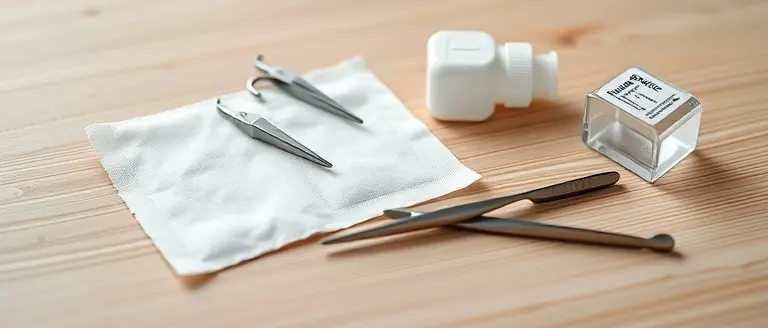
- Physical Removal: Manual extraction of larvae from the wound site using sterile instruments.
- Medical Irrigation: Deep cleaning of the wound to remove necrotic tissue and eggs that may still be present.
- Systemic Medication: Prescription of antiparasitic agents (such as doramectin or ivermectin, as directed by your veterinarian) to kill larvae that are deeply embedded.
- Topical Protection: Application of wound dressings and protective barriers to prevent re-infestation while the tissue heals.
The most vital takeaway for pet owners is that early detection changes the outcome entirely. Regularly inspect your animals, especially after time spent outdoors in high-risk zones, and consult a professional the moment you identify a non-healing, discharging wound. Do not attempt “home remedies,” as these can often irritate the wound and worsen the condition.
Beyond the Fear: Border Regulation and Parasite Mitigation Strategies
The re-emergence of the New World screwworm in Texas has necessitated an urgent, multi-layered response from federal and state agricultural authorities. As reports of this flesh-eating parasite continue to surface, the USDA and local veterinary officials are focusing on the intersection of border security and biological containment. Evidence suggests that unregulated animal smuggling across the U.S. southern border serves as a primary vector for reintroduction, bypassing the rigorous quarantine protocols designed to keep North America screwworm-free.
Strengthening Containment and Surveillance
To mitigate the risk to domestic pet safety and livestock, the USDA is intensifying surveillance operations in affected Texas counties. Policy-level interventions currently prioritize:
- Enhanced Border Screening: Increasing the presence of agricultural inspectors at transit points to identify and quarantine animals entering the U.S. illegally.
- Sterile Insect Technique (SIT): Deploying the mass release of sterile flies to disrupt the reproductive cycle of Cochliomyia hominivorax. This proven biological method is being scaled up in regions where active infestations are confirmed.
- Mandatory Reporting: Strengthening the legal framework for veterinarians and livestock owners to immediately report any suspected cases of myiasis (maggot infestation) to the Texas Animal Health Commission.
The Role of Public Health Policy
While news cycles often focus on the immediate threat to household pets, the broader public health response is designed to prevent a regional endemic. By restricting the movement of animals from impacted areas and providing resources for localized treatment, officials aim to minimize the parasite’s reach. Understanding that new world screwworm pet safety depends on both individual vigilance and regional policy, homeowners are encouraged to comply with all localized movement restrictions. This combination of targeted biological control and strict regulatory oversight is the primary barrier preventing this parasite from causing widespread, long-term devastation to the state’s ecological and domestic health.
Build a Fortress for Your Pet’s Protection
In the face of the New World screwworm threat, hope is not a strategy—proactive environmental control is. While daily wound checks and veterinary consultations are essential for early detection, the most effective way to safeguard your pets is to eliminate their access to unshielded, high-risk outdoor areas. By transforming your backyard into a secure, controlled zone, you create a physical barrier that drastically limits exposure to parasite-carrying flies, providing peace of mind in an uncertain landscape.
This is where professional-grade containment becomes your most powerful asset. Rather than relying on guesswork or flimsy makeshift solutions, you need the technical precision of expert-level blueprints to build secure enclosures, elevated platforms, and protective barriers that actually work. This is exactly why we recommend Ted’s Woodworking; it is more than just a resource for hobbyists—it is a comprehensive environmental safety toolkit. These blueprints provide the fool-proof, high-quality specifications you need to rapidly construct robust, protective structures that keep your pets safely shielded from environmental risks without the common errors that compromise lesser designs.
Taking control of your pet’s physical environment today is the single most decisive step you can take to prevent a potential tragedy. Don’t wait until a warning becomes a crisis; invest in the infrastructure that secures your home and protects your loved ones against this invisible threat.
 Download these verified DIY blueprints to build your own secure pet enclosure and fortify your yard against environmental risks today.Secure My Pet’s Safety Now!