
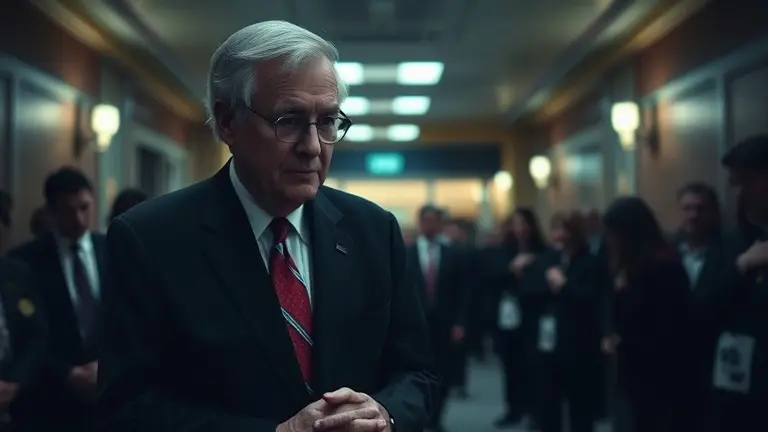
In the wake of weeks of silence from his office, the health of U.S. Senator Mitch McConnell (R-Ky.) has become the subject of intense national speculation. As the veteran legislator remains out of the public eye following an undisclosed hospitalization, a vacuum of official information has fueled a firestorm of rumors, ranging from standard health updates to extreme, unsubstantiated claims that the Senator is "brain dead." While fact-checking organizations like Snopes have worked to debunk these inflammatory fabrications, the situation has escalated beyond social media gossip, reaching the highest levels of Kentucky politics.
Governor Andy Beshear has recently broken the silence, publicly calling for greater transparency, arguing that the lack of information is unfair to the constituents of Kentucky. This tension highlights a critical democratic dilemma: at what point does a representative’s right to medical privacy conflict with the public’s need to know if their leader is fit to serve? As we parse what is known versus what is mere conjecture, the focus must shift toward the broader necessity of accountability in the Senate and the physiological demands of leadership that often ignite these public anxieties.
The Growing Crisis of Transparency Surrounding Senator Mitch McConnell

The current status of Mitch McConnell has become a focal point of intense political debate following a 21-day period of silence from the Senator’s office regarding his undisclosed medical hospitalization. Since the initial reports of his health concerns surfaced, there has been no official communication regarding his recovery or potential return to legislative duties. This prolonged vacuum of information has not only fueled public anxiety but has also created a fertile environment for online misinformation. Notably, unsubstantiated rumors—including false claims that the Senator is “brain dead”—have proliferated across social media platforms. Organizations like Snopes have actively worked to debunk these narratives, confirming that such assertions remain entirely unverified and lack any basis in fact.
The Call for Accountability
The situation reached a critical juncture on July 6, 2026, when Kentucky Governor Andy Beshear issued a formal, public request for transparency. Governor Beshear argued that the ongoing silence is “not fair to the senator” nor to the constituents of Kentucky who rely on his representation in the U.S. Senate. This request highlights several key issues regarding democratic accountability:
- Constituent Representation: Voters have a fundamental right to understand the health status of an elected official, particularly when that individual is responsible for major policy decisions.
- Institutional Integrity: The lack of clarity regarding Mitch McConnell’s health complicates legislative planning and raises questions about Senate transparency protocols.
- The Danger of Disinformation: Without consistent, official updates, the public is left to rely on speculative reports from social media, which often bypass verified reporting.
It is important to reiterate that as of this writing, the office of the Senate Minority Leader has provided no substantive medical details. While concerns regarding his role and his legacy—often discussed alongside his public life and his wife, Elaine Chao—are valid, they must be separated from the digital noise. Maintaining a clear distinction between verifiable timelines and unconfirmed rumors remains essential for a functioning, informed electorate.
Navigating the Spread of Online Misinformation

In the current climate of political uncertainty surrounding Mitch McConnell, the vacuum of official information from his office has created a fertile breeding ground for digital disinformation. As the silence continues following his hospitalization, social media platforms have seen a surge in unverified claims, most notably false reports alleging that the Senator is “brain dead” or deceased. These narratives, propagated by high-profile online commentators such as Laura Loomer, demonstrate the rapid velocity at which misinformation travels when institutional transparency is lacking. However, it is essential for constituents and the public to distinguish between legitimate political concern and inflammatory, unsubstantiated rumors designed to incite panic.
Fact-Checking the Viral Claims
Independent fact-checking organizations, including Snopes, have actively investigated these viral rumors and concluded that there is zero credible evidence to support assertions of the Senator’s death or catastrophic incapacity. To navigate this high-stakes environment, readers should rely on the following pillars of digital literacy:
- Verify the Source: Prioritize reports from established news outlets rather than individual social media accounts that lack editorial oversight.
- Identify Origin Points: Understand that many of these claims are part of coordinated digital campaigns rather than genuine news updates.
- Acknowledge Official Silence: Distinguish between an office’s choice to withhold private health details and the existence of a clandestine medical crisis.
- Consult Debunking Reports: Refer to authoritative fact-checking resources that explicitly label claims of mitch mcconnell brain dead status as entirely unverified.
While the request for transparency from leaders like Andy Beshear is grounded in the democratic necessity of representative availability, the proliferation of conspiracy theories complicates the public discourse. Speculation regarding mitch mcconnell health should remain tethered to verifiable data. Engaging with unverified social media content not only spreads misinformation but also detracts from the serious, legitimate conversation regarding the accountability of public officials and the constitutional implications of extended, unannounced absences. Always seek verified updates from reputable news agencies before sharing information regarding the condition of the Senator or his mitch mcconnell wife.
The Democratic Precedent: Accountability and Representation

The current uncertainty regarding Mitch McConnell and his prolonged absence from the public sphere highlights a critical tension between personal privacy and the democratic requirement for legislative accountability. In the United States, high-ranking officials hold positions of significant public trust; when a long-term absence occurs, constituents rely on timely updates to ensure their interests are represented. The recent call for transparency from Kentucky Governor Andy Beshear underscores the growing concern that a lack of communication from a senator’s office can impede the functional nature of representative government. While medical privacy is a protected right, the legislative branch operates under a precedent where the capacity of an elected official to perform their duties is a matter of legitimate public interest.
Defining the Threshold of Transparency
Historically, the standard for representative disclosure has been fluid, yet it generally leans toward clarity when an official is incapacitated for an extended period. The current approach taken by the office of Mitch McConnell—which has remained largely silent for 21 days following his hospitalization—stands in stark contrast to previous norms of political communication. This silence has created a vacuum that invites speculation, including dangerous misinformation such as rumors that the senator is brain dead. These unsubstantiated claims, which have been debunked by organizations like Snopes, demonstrate the risks inherent in prolonged periods of nondisclosure:
- Democratic Stability: Without clear information, the electorate cannot gauge the effective representation of their state.
- Preventing Misinformation: Official updates serve as a primary defense against digital disinformation and social media conspiracies.
- Institutional Trust: Transparency regarding the mitch mcconnell health status is essential to maintaining institutional integrity within the Senate.
Ultimately, whether is mitch mcconnell still alive or merely recovering, the absence of substantive updates leaves a void that complicates political discourse. Accountability requires that officials balance the protection of their health records with the constitutional necessity of being present and available to those they serve. As this situation continues to unfold, the focus remains on whether legislative norms will shift to demand greater clarity from all members, regardless of seniority or party, to prevent similar scenarios of political uncertainty in the future.
Balancing Privacy and Public Duty in Governance

The prolonged absence of Mitch McConnell from the public eye, now spanning over three weeks since his undisclosed hospitalization, has ignited a complex debate regarding the threshold of transparency expected from senior government officials. While every individual—regardless of their political stature—is entitled to medical privacy, the public role of a U.S. Senator creates a unique conflict. Constituents in Kentucky rely on their representative to exercise legislative power; when that representative remains unavailable for comment, the void of information inevitably leads to a decline in public trust and a rise in potentially harmful conjecture.
To clarify the current state of affairs, it is imperative to distinguish between verifiable facts and rampant online speculation. As of this writing, there has been no official, verified medical update from the office of Mitch McConnell. Claims circulating on social media, including unsubstantiated rumors suggesting he is “brain dead,” have been thoroughly debunked by independent fact-checkers like Snopes. Despite the intensity of these rumors, they remain entirely unverified and represent a form of digital disinformation that complicates an already sensitive situation.
The tension between personal privacy and democratic accountability has reached a flashpoint, recently prompting Kentucky Governor Andy Beshear to formally call for increased transparency. This request highlights several critical concerns regarding the continuity of government and representative accessibility:
- Democratic Accountability: The public has a legitimate interest in knowing whether an elected official remains capable of performing their constitutional duties.
- Preventing Misinformation: When official channels remain silent, it creates a vacuum that is quickly filled by bad-faith actors spreading theories about Mitch McConnell’s health or his status as Mitch McConnell’s wife manages his personal affairs.
- Constituent Confidence: Kentucky voters deserve clarity on the health status of their senior senator to ensure they are being adequately represented in Washington.
Ultimately, the lack of substantive communication regarding is Mitch McConnell still alive—and his actual prognosis—serves to highlight the urgent need for clearer Senate protocols regarding the disclosure of health status for leaders in critical positions of power. Until the office provides a verified update, all claims regarding his specific medical condition must be regarded as speculative.
Prioritizing Cognitive Clarity in an Uncertain World
The swirling rumors surrounding Senator Mitch McConnell serve as a stark reminder of how quickly information vacuums are filled by speculation rather than substance. While the political debate continues over the necessity of transparency from our elected officials, the underlying public concern remains rooted in a fundamental desire for cognitive reliability and mental sharpness among those in high-stakes leadership roles. Whether in the halls of Congress or in our own professional lives, maintaining peak mental performance is not just an asset—it is a necessity.
While social media is rife with unsubstantiated rumors about Senator McConnell’s cognitive state, the real conversation should be about the science of maintaining mental acuity and clarity in high-stress environments. Taking a proactive approach to your own brain health is the most effective way to ensure long-term vitality. This is where The Brain Song becomes an essential tool; it leverages neuroscience-based auditory stimulation to promote sharper focus and mitigate the mental fatigue that plagues even the most disciplined minds.
By integrating this non-invasive, innovative solution into your daily routine, you are making a commitment to your long-term cognitive health. It is time to move past the noise of conspiracy and invest in proven methods that sharpen your focus, enhance clarity, and support your brain through every challenge life presents. Don’t leave your mental performance to chance—take the necessary step today to fortify your most important asset.
 Take control of your own cognitive health and mental sharpness by exploring the neuroscience behind The Brain Song today.Transform My Mental Clarity Today!