

In recent weeks, headlines concerning a nationwide cyclosporiasis outbreak have understandably caused widespread concern. As reports of the microscopic parasite Cyclospora cayetanensis rise across 18 states, the focus has shifted toward the graphic nature of the symptoms often associated with this infection. While the term ‘explosive diarrhea’ has dominated news cycles and generated significant alarm, it is vital to approach this situation with clarity rather than panic. Understanding the nature of this parasite—which is primarily transmitted through contaminated fresh produce—is the first step toward reclaiming your peace of mind and protecting your household.
It is important to emphasize that cyclosporiasis is not contagious from person-to-person, meaning the risk is strictly tied to food safety practices rather than casual social interaction. By shifting our focus from fear-based speculation to informed prevention, we can effectively manage the risks associated with this seasonal surge. In this guide, we will move past the sensationalism to provide you with actionable steps to sanitize your produce and, perhaps more importantly, discuss how fortifying your internal microbiome serves as your most robust defense against external invaders.
Understanding the Current Cyclospora Outbreak

As of August 2026, health authorities are actively investigating a significant cyclosporiasis outbreak across the United States. Recent reports indicate that at least 18 states have seen a spike in infections, with Michigan reporting more than 700 confirmed cases. This widespread occurrence is caused by Cyclospora cayetanensis, a microscopic parasite that typically thrives in warmer months. While media coverage has frequently highlighted the condition’s severe gastrointestinal symptoms—often referred to as explosive diarrhea—it is essential to remain calm and focus on evidence-based prevention and medical care rather than alarmist speculation.
Key Facts About the Outbreak
- Transmission: Cyclosporiasis is not spread person-to-person. You cannot contract this explosive diarrhea parasite through casual contact with an infected individual.
- Vector: The infection is foodborne, typically linked to the consumption of contaminated fresh produce, such as imported leafy greens, herbs, or berries.
- Treatment: While symptoms can be persistent, the condition is highly treatable with specific antibiotic regimens prescribed by healthcare professionals.
Public health officials are working diligently to trace the specific produce items responsible for the current surge. The primary advice for consumers is to prioritize rigorous hygiene practices when handling raw fruits and vegetables. Thoroughly washing produce under running water is a critical step in reducing the risk of ingestion. If you experience symptoms such as watery, frequent bowel movements, cramping, or fatigue, you should contact your primary care provider for testing and management. Understanding that this is a manageable foodborne illness, rather than a contagion, is the first step in mitigating community anxiety. By focusing on safe food preparation and timely medical intervention, the impact of this cyclospora outbreak can be significantly minimized.
What Is Cyclosporiasis and How Does It Spread?
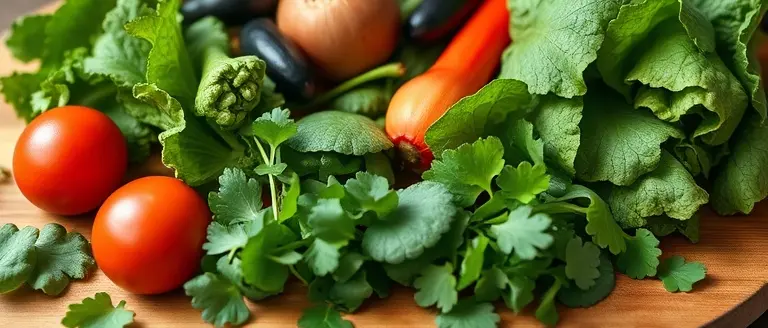
Cyclosporiasis is an intestinal infection caused by Cyclospora cayetanensis, a microscopic, single-celled parasite. This pathogen is the primary driver behind the recent cyclosporiasis outbreak currently affecting 18 states. Unlike bacteria that can replicate on food, this parasite requires time—often days or weeks after being passed in human stool—to become infectious. This biological limitation means that the infection is strictly transmitted through the ingestion of contaminated food or water, rather than casual contact.
Is Cyclosporiasis Contagious?
A major source of public anxiety is the fear that this illness spreads through social interaction. It is critical to understand that cyclosporiasis is not person-to-person contagious. You cannot contract this parasite by shaking hands, sharing a workspace, or being in the same room as an infected individual. The illness behaves strictly as a foodborne pathogen. Transmission occurs specifically through the fecal-oral route, typically when fresh produce—such as leafy greens, berries, or herbs—is irrigated or handled with water contaminated by human feces. Once the contaminated produce is consumed, the parasite infects the small intestine, leading to the severe gastrointestinal distress commonly described as an explosive diarrhea parasite infection.
How the Parasite Enters the Food Supply
The parasite enters the supply chain through environmental contamination, often in regions where the parasite is endemic. Because Cyclospora is resilient, it can survive on the surfaces of fruits and vegetables despite standard commercial washing practices. Key factors in its spread include:
- Water Quality: Use of surface water for irrigation that may contain runoff or untreated waste.
- Handling Practices: Contamination occurring during harvesting, processing, or packaging if hygiene protocols are inadequate.
- Environmental Persistence: The parasite’s ability to remain viable in the soil or on produce surfaces for extended periods.
Understanding these mechanisms helps demystify the current outbreak. By recognizing that transmission is limited to ingestion of specific contaminated items, consumers can move away from generalized panic and focus on targeted food safety practices.
Practical Steps: Safely Washing and Preparing Fresh Produce
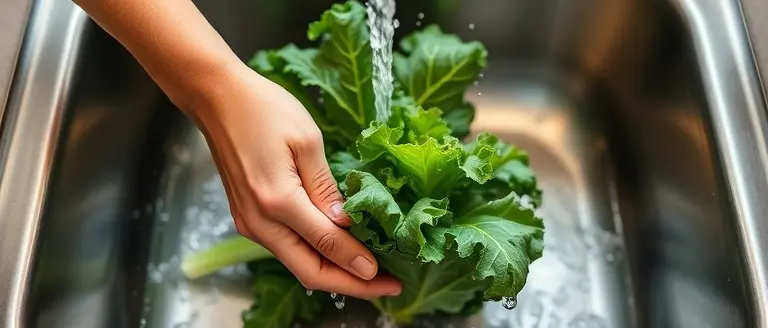
While the current cyclosporiasis outbreak has caused significant concern, consumers can take proactive, evidence-based steps to mitigate the risk of contracting this explosive diarrhea parasite. Because Cyclospora cayetanensis is a hardy organism often associated with contaminated fresh produce, your primary defense is diligent mechanical cleaning. It is important to note that while washing significantly reduces the presence of pathogens, it does not guarantee complete sterilization, especially given the microscopic nature of the parasite.
Best Practices for Produce Hygiene
To effectively reduce your risk, follow these standardized food safety protocols:
- Running Water is Key: Always wash fruits and vegetables under cold, clean running water. Friction is your best tool; gently rubbing the surfaces of produce helps dislodge soil and potential pathogens.
- Use a Scrub Brush: For firm produce like melons, cucumbers, or root vegetables, use a dedicated, clean vegetable brush to scrub the outer surface thoroughly.
- Discard Outer Leaves: For leafy greens, which are frequent vectors in a cyclosporiasis outbreak, discard the outermost leaves before washing the rest of the head or bunch under running water.
- Prioritize Drying: Use a clean cloth or paper towel to dry produce after washing. Drying further removes remaining bacteria and parasites that may have been loosened during the rinsing process.
Understanding the Limits of Home Preparation
It is a common misconception that soaking produce in vinegar or baking soda solutions will eliminate the threat of the explosive diarrhea parasite. Current health data suggests that mechanical removal through washing is the most effective approach. Because the cyclospora parasite can be embedded in the crevices of textured produce like raspberries or cilantro, some consumers choose to cook high-risk items during periods of peak outbreaks. Cooking at high temperatures is the only method proven to reliably kill Cyclospora. By maintaining these hygiene standards, you can significantly lower your risk of foodborne illness without succumbing to unnecessary panic.
Recognizing Symptoms and When to Seek Medical Attention

Understanding the clinical presentation of cyclosporiasis is essential for timely intervention and recovery. Infection with the Cyclospora cayetanensis parasite typically manifests within one to two weeks following the ingestion of contaminated fresh produce. While recent media reports have focused on the severity of symptoms, it is important to approach these signs with a measured understanding of how the gastrointestinal system reacts to the parasite. The hallmark of this condition is a sudden onset of frequent, watery stools, which is often clinically referred to as explosive diarrhea. However, this is frequently accompanied by a range of other systemic symptoms that can persist for several weeks if left untreated.
Common Symptoms to Monitor
If you have consumed fresh produce and suspect you may be experiencing symptoms related to a cyclosporiasis outbreak, look for the following indicators:
- Watery diarrhea: Frequent, loose bowel movements that can be persistent.
- Loss of appetite: A significant decrease in desire for food, often leading to unintended weight loss.
- Fatigue and malaise: A general feeling of being unwell, exhaustion, or low energy levels.
- Abdominal cramping: Bloating, increased gas, and pain in the stomach region.
- Nausea and vomiting: Though less common, these may occur in some individuals.
- Low-grade fever: Some patients report a mild fever or body aches.
Because these symptoms mirror many other foodborne illnesses, self-diagnosis is discouraged. If you experience persistent diarrhea lasting more than a few days, or if you show signs of dehydration, consult a healthcare provider immediately. Physicians typically diagnose cyclosporiasis through stool analysis. If confirmed, the standard treatment involves a specific course of antibiotics, most commonly trimethoprim-sulfamethoxazole (TMP-SMX). Early medical consultation is the most effective way to shorten the duration of the illness and prevent potential complications. By seeking professional care, you can manage the infection effectively and return to health with appropriate, evidence-based treatment.
Building Your Biological Defense
Navigating the current cyclosporiasis outbreak requires a balanced approach: rigorous attention to how you wash and store your produce, and a proactive strategy for maintaining your overall health. While external hygiene is your first line of defense, cultivating a resilient internal ecosystem is equally essential. By fostering a diverse and balanced microbiome, you empower your body to maintain its structural integrity and immune efficiency, even when faced with environmental stressors.
While you are taking steps to keep your produce clean, maintaining your body’s overall microbial resilience is equally essential for a robust immune system. This is where ProDentim becomes an invaluable partner in your wellness journey. Because the health of your gut and immune function is deeply linked to your systemic microbial balance, ProDentim offers a science-backed, probiotic-focused solution that helps restore your microbiome from the inside out. It serves as a foundational tool for microbial maintenance, ensuring your body is better equipped to handle challenges and remain in a state of proactive defense rather than reactive panic.
Supporting your internal ecosystem is the natural next step in your health strategy. Start today by ensuring your body has the high-quality microbial support it needs to thrive.
 Support your internal ecosystem: Discover how ProDentim helps restore your microbiome for total body wellness.Transform My Microbial Health Today!