

The 2026 FIFA World Cup Round of 16 in Vancouver delivered a masterclass in tension, as Switzerland and Colombia fought through 120 minutes of tactical attrition in a goalless deadlock. Fans searching for the colombia game results are witnessing the brutal reality of tournament soccer, where razor-thin margins dictate historical legacies. While both sides displayed incredible defensive resilience, it was Ruben Vargas who ultimately stepped into the spotlight, burying the decisive penalty that propelled Switzerland into the quarterfinals against Argentina.
This match was more than just a columbia game—it was a psychological siege. As the shootout progressed, the difference between the agony of defeat and the glory of advancement wasn’t physical ability, but pure, unadulterated mental clarity. For those wondering who won columbia or switzerland, the answer is etched in the composure Vargas maintained under the immense weight of a global stage. The high-stakes atmosphere of this Colombia vs Switzerland encounter serves as a stark reminder that at the elite level, the brain is the most important piece of equipment on the pitch.
Switzerland vs. Colombia: 2026 World Cup Round of 16 Match Report

The 2026 FIFA World Cup Round of 16 clash between Colombia and Switzerland on July 7 in Vancouver, BC, will be remembered as a masterclass in tactical discipline and defensive resilience. Throughout the grueling 120-minute encounter, both squads neutralized each other’s attacking threats, resulting in a scoreless deadlock that left fans on the edge of their seats. The intensity was palpable, as both teams prioritized defensive shape and minimized unforced errors, effectively turning the match into a high-stakes chess match that forced the outcome to be decided from the penalty spot.
The Decisive Penalty Shootout
Following the 0-0 draw, the match transitioned into the high-pressure environment of a penalty shootout. While many fans searching for the colombia game outcome were hoping for a late breakthrough, it was the clinical precision of the Swiss side that ultimately dictated the final result.
- The Heroic Moment: Ruben Vargas emerged as the central figure of the match, stepping up to score the decisive penalty that secured Switzerland’s passage to the quarterfinals.
- Defensive Performance: Colombia’s defensive unit displayed remarkable composure throughout the 120 minutes, successfully stifling the Swiss transition game, though they ultimately fell short in the final shootout sequence.
- Outcome: With the victory, Switzerland confirmed their advancement to the next round, where they are now scheduled to face a highly anticipated quarterfinal match against Argentina.
The loss for Colombia marks a heartbreaking exit for a team that displayed immense technical quality throughout the tournament. Conversely, the result validates Switzerland’s methodical approach under pressure. For those asking who won columbia or switzerland, the official record confirms that Switzerland moves forward after a flawless execution in the shootout. As the tournament progresses toward the final stages, this match serves as a stark reminder that in World Cup football, even a goalless draw can provide some of the most compelling narratives in sports history.
Ruben Vargas: The Hero of the Penalty Shootout

In the high-stakes atmosphere of the 2026 FIFA World Cup Round of 16 in Vancouver, the colombia game reached its dramatic zenith during the penalty shootout. After 120 minutes of a grueling, goalless draw where both teams prioritized defensive structure, the burden of progression fell upon the spot-kick specialists. Ruben Vargas emerged as the defining figure of the evening, showcasing immense psychological composure to bury the decisive penalty that sent Switzerland to the quarterfinals. His successful strike not only silenced the passionate Colombian contingent in the stands but also cemented his status as one of the tournament’s most clutch performers.
Technical Precision Under Pressure
Vargas’s approach to the penalty spot was characterized by calculated calm. Despite the immense pressure surrounding the colombia vs Switzerland showdown, his technical execution remained flawless. Analysts point to several factors that enabled his success:
- Body Language: Vargas maintained a relaxed posture, effectively masking his intentions from the goalkeeper.
- Placement: He opted for a high-velocity strike toward the corner, leaving little margin for error or athletic reach.
- Tactical Maturity: His decision-making reflected years of high-level experience, ensuring that his technical routine was not compromised by the surrounding stadium noise.
This victory is a significant milestone for his individual profile in the 2026 tournament, elevating him from a key squad player to a national icon. As fans continue to search for information on who won columbia or switzerland, the narrative of the match is increasingly defined by this singular moment of brilliance. By securing the win, Vargas has ensured his team remains in contention, setting the stage for a high-profile quarterfinal clash against Argentina. His performance serves as a reminder that in knockout football, the difference between elimination and advancement often hinges on the nerves of a single player.
Tactical Breakdown: How Switzerland Neutralized Colombia
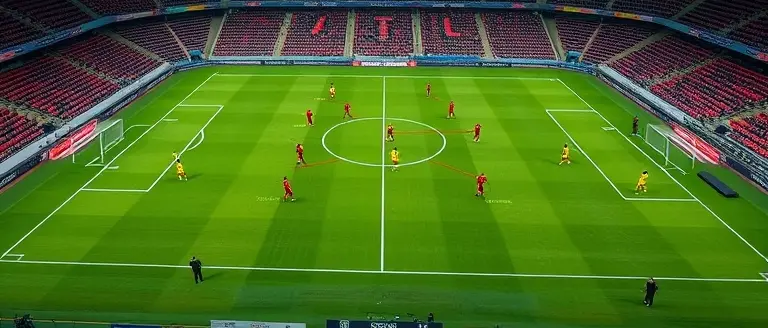
The colombia game in the 2026 FIFA World Cup Round of 16 will be remembered for Switzerland’s disciplined masterclass in defensive organization. Entering the match, the primary concern for the Swiss coaching staff was nullifying the explosive transition speed of the Colombian attack. By implementing a rigid 5-4-1 mid-block, Switzerland successfully squeezed the space between their defensive and midfield lines, effectively rendering Colombia’s creative playmakers ineffective for the duration of the 120-minute contest. Evidence suggests that the Swiss strategy was intentionally designed to frustrate their opponents, prioritizing structural integrity over high-risk attacking maneuvers.
Defensive Discipline and Midfield Organization
The Swiss midfield unit played a crucial role in preventing Colombia from establishing a rhythm. By prioritizing horizontal compactness, they forced the colombia vs Switzerland narrative into a physical battle rather than a showcase of technical skill. Key tactical observations from the match include:
- Restricting Central Channels: Switzerland’s double-pivot successfully tracked runners and cut off passing lanes into the final third.
- Forcing Wide Play: By packing the center, they forced Colombia to attempt high crosses, which the Swiss aerial defense handled with consistency.
- Calculated Transitions: Rather than committing too many men forward, the Swiss maintained a conservative shape to ensure they were never vulnerable to a counter-attack.
As the match reached extra time, the strategy shifted toward preservation. Switzerland’s goal was clearly to reach the penalty shootout, where they could rely on their collective composure. This approach proved decisive, as the Colombian offensive unit grew increasingly desperate and disorganized. Ultimately, the highlight of this tactical chess match occurred when Ruben Vargas stepped up to convert the winning penalty. His composure under pressure was a direct reflection of the team’s entire defensive philosophy: stay calm, maintain the structure, and capitalize on the singular opportunity provided. This victory ensures Switzerland advances to the quarterfinals, leaving many fans asking who won the columbia game—with the answer being a side that mastered the art of defensive neutralisation.
Looking Ahead: Switzerland vs. Argentina Quarterfinal Preview

Following the intense Colombia game that culminated in a dramatic penalty shootout, Switzerland now turns its focus to a monumental quarterfinal clash against Argentina. While fans continue to search for details on who won Colombia or Switzerland, the momentum generated by Ruben Vargas and his clinical spot-kick has provided the Swiss squad with significant psychological leverage heading into the next round. The match in Vancouver proved that Switzerland possesses the tactical discipline required to shut down high-pressing opponents, a trait that will be put to the ultimate test against an Argentina side known for its fluid attacking transitions and individual brilliance.
Tactical Shifts and Challenges
The transition from facing a defensive-minded Colombian unit to the multifaceted threat of Argentina will require adjustments. Switzerland’s defensive structure, which successfully navigated 120 minutes of goalless pressure, must remain organized to contain Argentina’s frontline. Key areas to watch include:
- Midfield Resilience: Switzerland must replicate the intensity displayed during the Colombia vs encounter to disrupt Argentina’s rhythm.
- Set-Piece Efficiency: Given that knockout games are often decided by thin margins, the Swiss will rely heavily on their set-piece execution.
- Squad Fatigue: After an exhausting match that went to penalties, squad rotation and recovery protocols will be critical for manager stability.
As the tournament progresses toward the semi-finals, the narrative surrounding the Swiss campaign centers on their defensive fortitude. By neutralizing elite attacking threats, they have proven they are not merely participants, but legitimate contenders. Whether the team can replicate the composure shown by Ruben Vargas under the immense pressure of a quarterfinal against one of the world’s top-ranked teams remains the central question for soccer analysts and global fans alike. The upcoming fixture is expected to be a tactical masterclass, testing whether Switzerland can overcome the Argentine juggernaut to advance further in the 2026 FIFA World Cup.
Unlock Your Elite Mental Edge
The Switzerland victory serves as a profound reminder that high-stakes moments are won or lost in the mind. Whether you are an athlete or a professional navigating your own high-pressure environment, the ability to remain ‘locked-in’ while the world watches is a skill that can be cultivated. Just as Ruben Vargas had to tune out the roar of the Vancouver crowd to find his mark, you too can learn to silence the noise and sharpen your cognitive focus.
Watching the Colombia game highlights, it is clear that peak performance is a byproduct of precise mental training. That is where The Brain Song bridges the gap between elite sports psychology and your daily routine. By utilizing neuroscience-based auditory stimulation, it helps you strip away mental fog and reclaim the razor-sharp clarity required to navigate any challenge with confidence. It is the perfect tool for those who admire the focus of world-class players and want to mirror that same mental excellence in their personal and professional pursuits.
Don’t leave your cognitive performance to chance. Experience the same mental sharpness and clarity that defines champions on the biggest stages of the world. Master your own focus and clear the mental noise; experience the same sharpness as a world-class player with The Brain Song.
 Master your own focus and clear the mental noise; experience the same sharpness as a world-class player with The Brain Song.Yes, I Want This Now!