

As climate scientists officially confirm the arrival of a Super El Niño in June 2026, the global conversation has quickly shifted from meteorological warnings to deep-seated uncertainty about the months ahead. Unlike standard climate cycles, this ‘Super’ classification signals an event of historic intensity, carrying with it the high probability of unprecedented temperatures, volatile storm patterns, and significant socio-economic ripples across the United States. While experts discuss global energy infrastructure and macro-climatic data, the question on every homeowner’s mind is far more immediate: how will this intensity translate to their own doorstep?
Fear of the unknown is rarely a sound strategy for property management. Instead of waiting for the storm clouds to gather, the most effective approach is to shift from reactive worry to proactive climate-hardening. By understanding the specific regional threats—whether that involves flood mitigation in the Midwest or moisture-resistant reinforcements in the West—you can take agency over your environment. This guide cuts through the noise, providing the actionable, utility-driven steps necessary to fortify your home against the extremes of this coming weather cycle.
Understanding the 2026 Super El Niño: What Scientists Are Actually Seeing
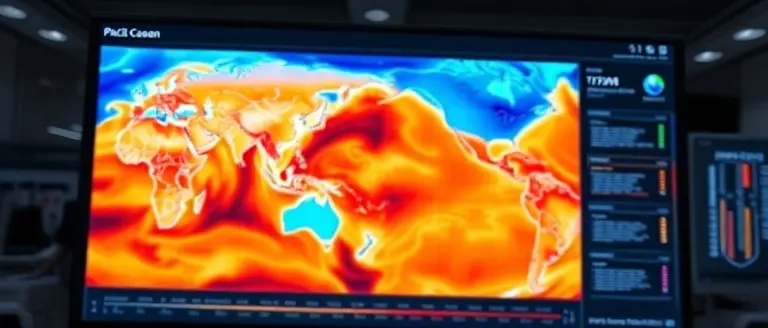
In June 2026, climate scientists reached a sobering consensus: the emerging climate cycle has officially transitioned into a Super El Niño. While standard El Niño events—characterized by the warming of sea-surface temperatures in the central and eastern Pacific—are cyclical and expected, this specific classification is reserved for the most intense, high-impact events. Current data indicates that this cycle is significantly outpacing initial spring projections, leading experts to warn that we are entering a period of unprecedented climatic volatility. By tracking anomalous heat distribution across the Pacific basin, meteorologists have identified that this event shares characteristics with historic benchmarks, such as 1997-98 and 2015-16, yet with contemporary background warming that may amplify localized effects.
Key Indicators and Scientific Consensus
The primary factor driving the current el niño forecast is the rapid escalation of sea-surface temperature anomalies. Unlike a standard event, a “Super” designation requires sustained, extreme temperature departures that disrupt global atmospheric circulation patterns. Scientists are monitoring several critical variables to understand why this cycle is deviating from early models:
- Pacific Heat Content: Observed subsurface temperatures are showing a deeper, more expansive warm pool than previously modeled for mid-year.
- Atmospheric Coupling: Stronger-than-average trade wind reversals are accelerating the shift in tropical rainfall patterns, which directly influences US weather trajectories.
- Predictive Deviation: Recent reports indicate that the intensity is exceeding initial projections, likely due to a confluence of multi-decadal climatic shifts and current ocean-atmospheric feedback loops.
Rather than relying on alarmist narratives, it is crucial to view this Super El Niño as a significant meteorological shift requiring adaptive strategies. The deviation from initial expectations does not necessarily mean “worst-case” scenarios are guaranteed, but it does mean that reliance on historical norms for flood, drought, and energy planning is no longer sufficient. Professionals and residents should prepare for a high-intensity cycle that will likely alter regional precipitation and temperature averages across the United States for the remainder of the year and into 2027.
Regional Impact Breakdown: What to Expect Across the United States

The emergence of a Super El Niño in 2026 necessitates a localized approach to disaster preparedness. Because the atmospheric shifts associated with this climate phenomenon alter the path of the jet stream, the El Niño forecast indicates that impacts will vary drastically depending on your coordinates within the United States. While the global narrative focuses on temperature records, homeowners must understand how these macro-level shifts translate into specific regional threats to property and infrastructure.
West Coast and Southwest: Managing Excess Moisture
States along the Pacific seaboard should prepare for a significant increase in atmospheric river activity. Historically, intense El Niño events drive a southward shift in the jet stream, funneling moisture-heavy storm systems into California and the Southwest.
- Primary Risks: Increased likelihood of flash flooding, mudslides in fire-scarred areas, and severe coastal erosion.
- Actionable Preparedness: Residents should prioritize cleaning gutters and downspouts, inspecting roof integrity, and verifying that flood insurance policies are active well before the rainy season commences.
The Midwest and Southern Plains: Drought and Thermal Stress
In contrast to the moisture influx on the coast, the central United States may face a different set of challenges. Evidence suggests that during a Super El Niño, the Midwest and parts of the Southern Plains often experience warmer, drier conditions that can stress agricultural yields and municipal water supplies.
- Primary Risks: Heightened evaporation rates, increased cooling demand on energy grids, and potential drought-induced lawn or foundation damage.
- Actionable Preparedness: Property owners should focus on HVAC maintenance to ensure units can handle prolonged heat, while gardeners and farmers should look into water conservation measures and drought-resistant landscaping to mitigate the impact of reduced precipitation.
Understanding these regional variances is the first step in effective climate risk management. By aligning your personal preparedness plan with your local risk profile, you can better protect your budget and property against the volatility of this extreme event.
Home Hardening: Pragmatic Steps to Protect Your Property
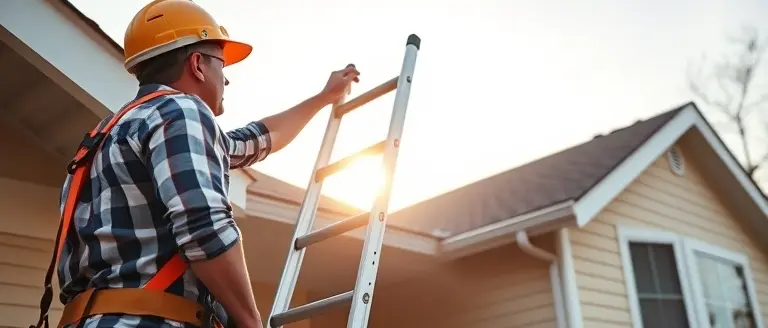
As the latest el niño forecast indicates a period of unprecedented climatic volatility, homeowners must shift from passive observation to active property fortification. A Super El Niño event brings a higher probability of extreme precipitation and record-breaking heat, both of which can compromise structural integrity if neglected. Taking proactive measures now can significantly reduce the risk of costly emergency repairs and ensure your living space remains a sanctuary during periods of severe weather.
Exterior Defense and Water Mitigation
Water management is your primary defense against the intense storm cycles associated with a Super El Niño. To mitigate potential flood damage and basement leaks, homeowners should prioritize these maintenance tasks:
- Roof Integrity: Inspect shingles for cracks or missing pieces to prevent leaks during heavy downpours. Ensure flashing around chimneys and vents is sealed.
- Gutter Maintenance: Clear all gutters and downspouts of debris. Direct downspout extensions at least five feet away from your home’s foundation to prevent water pooling.
- Landscaping Adjustments: Regrade soil near your foundation to ensure water slopes away from the structure. Consider installing rain barrels or planting water-absorbing native vegetation in low-lying areas.
Thermal Resilience and Efficiency
Beyond rain, the current climate models suggest that temperature extremes will place heavy burdens on residential HVAC systems. Preparing your home for prolonged heat spikes is essential for both your budget and energy infrastructure stability.
- Insulation Checks: Use thermal imaging or simple visual inspections to identify gaps in attic insulation or weatherstripping around doors and windows. Proper sealing prevents conditioned air from escaping, reducing the strain on your cooling systems during energy demand peaks.
- HVAC Servicing: Schedule a professional maintenance check for your HVAC system. A well-maintained unit is far more efficient and less likely to fail during the peak demand periods noted in recent Super El Niño studies.
- Strategic Shading: Install solar shades or reflective window film on south-facing windows to minimize solar heat gain, which can drastically lower internal temperatures without increasing your electricity consumption.
By focusing on these pragmatic, long-term improvements, you are not only hardening your home against the immediate threats posed by this year’s climate shift but also increasing the long-term value and resilience of your investment.
Budgeting for Energy Volatility: Strategies to Shield Your Finances

As the current Super El Niño cycle intensifies, global energy markets are bracing for unprecedented strain. With climate experts warning of prolonged heatwaves, the surge in cooling demand is expected to trigger significant utility price spikes across the United States. Recent el niño forecast data suggests that infrastructure will face higher loads than in previous events, likely leading to increased volatility in electricity costs. To protect your household finances, proactive budget management is essential. Households should prepare for a sustained rise in monthly expenses by building a dedicated “energy buffer” into their savings, anticipating that peak-load pricing may become the norm during extreme weather windows.
Navigating Peak-Load Pricing and Efficiency
Understanding how your local utility provider handles peak demand is your first line of defense. Many providers implement time-of-use (TOU) rates that charge significantly more during hours of high stress on the grid. By shifting heavy energy activities—such as running dishwashers, dryers, or electric vehicle charging—to off-peak hours, you can mitigate the impact of the Super El Niño on your monthly statement. Furthermore, investing in small-scale retrofits now can provide long-term protection against escalating costs:
- Seal and Insulate: Inspect weather stripping around windows and doors; preventing air leakage is the most cost-effective way to reduce the load on your HVAC system.
- Smart Thermostats: Install programmable devices to automate temperature adjustments, ensuring cooling is reduced when the home is unoccupied.
- Maintenance Checks: Ensure your HVAC system is serviced immediately to maintain peak efficiency; a struggling unit under extreme heat consumes exponentially more electricity.
For long-term financial stability, consider exploring energy-efficient retrofits, such as upgrading to high-SEER-rated cooling units or installing reflective window films. While these upgrades require upfront capital, the potential for reduced consumption provides a vital hedge against the price hikes associated with this intense climate cycle. By treating energy as a variable cost that can be managed rather than a fixed expense, you can maintain budgetary control despite the looming environmental volatility.
Fortifying Your Residence Against the Coming Cycle
You cannot control the atmospheric pressure or the intensity of the storm patterns, but you can control the resilience of the physical structure you call home. Preparing for a Super El Niño event is not just about stockpiling supplies; it is about infrastructure integrity. Whether you need to reinforce structural foundations to resist excess moisture, build elevated storage to keep your belongings above flood levels, or enhance your home’s envelope for maximum efficiency, your success depends on having the right blueprints before the crisis begins.
While contractors and materials will likely face significant supply chain delays and skyrocketing costs as the weather intensifies, you can bypass these hurdles by taking the projects into your own hands. This is why we recommend the Ted’s Woodworking library—a comprehensive collection of 16,000 professional-grade plans that act as your essential Climate-Hardening Toolkit. By having these foolproof, technical engineering blueprints readily available, you transform anxiety into action, ensuring your property is reinforced, functional, and ready to withstand the volatility of the coming months.
Don’t wait for the first storm to expose a weakness in your home. By securing these professional-grade designs today, you are making a high-utility investment in your family’s safety and your property’s longevity. This is the smartest path to maintaining control, avoiding the high costs of emergency repairs, and hardening your residence against the unpredictable nature of this Super El Niño.
 Download your comprehensive library of home reinforcement and flood-mitigation blueprints to start fortifying your property today.Secure My DIY Home-Hardening Toolkit Now!