

The atmosphere in the stadium is electric as the USMNT faces off against Belgium in this pivotal World Cup 2026 Round of 16 clash. With fans glued to their screens, the discourse has moved beyond simple scorekeeping to intense tactical scrutiny. Pundits like Alexi Lalas are dissecting every refereeing decision and defensive shift, while Thierry Henry provides an elite-level breakdown of the Belgian squad’s formation and transition play. Whether it is the shock of Charles De Ketelaere’s opener or the desperate adjustments in the USMNT starting 11, the complexity of this match demands more than just casual observation.
As the game unfolds, the mental strain of processing rapid-fire commentary and real-time tactical changes is undeniable. It is a high-stakes environment where every second counts, and the ability to grasp the ‘why’ behind the action differentiates the casual viewer from the true student of the game. Just as the players on the pitch require peak cognitive performance to react to Belgium’s tactical brilliance, fans need a mental edge to fully absorb the insights of masters like Henry and Lalas without succumbing to match-day fatigue.
USMNT vs Belgium: World Cup 2026 Round of 16 Aftermath

The July 6, 2026, showdown between the USMNT and the Belgium national football team will long be remembered as a heart-wrenching conclusion to the United States’ World Cup journey. Played before a capacity crowd that brought an electric, nerve-wracking atmosphere to the stadium, the Round of 16 clash highlighted the tactical gulf that remains between the American squad and the seasoned European elite. While the USMNT starting 11 demonstrated remarkable grit in the opening exchanges, the match ultimately turned on a singular moment of individual brilliance that neutralized the home side’s defensive structure.
Tactical Pivots and the Defining Moment
The turning point arrived in the second half when Charles De Ketelaere exploited a momentary lapse in the American backline. His clinical finish broke the deadlock, shifting the momentum entirely in favor of Belgium and forcing the USMNT to abandon their disciplined shape in a desperate search for an equalizer. Analysts, including Thierry Henry, noted that Belgium’s ability to absorb pressure while maintaining a compact shape was the fundamental difference in the outcome. Henry, utilizing his intimate knowledge of the Belgian squad, highlighted their transition play as a masterclass in efficiency, one that punished the USMNT’s aggressive forward positioning.
- Defensive Fatigue: The USMNT backline struggled to maintain high-intensity tracking against Belgium’s rotation in the final third.
- Punditry Divide: Alexi Lalas sparked significant social media discourse regarding refereeing controversies during the match, arguing that the officiating lacked consistency during pivotal challenges.
- Strategic Lessons: The final result serves as a stark reminder that talent alone cannot overcome the tactical discipline required to navigate a knockout match against a world-class opponent.
As the USMNT exits the tournament, the conversation now shifts to long-term development. Much like the historic 2014 matchup, this loss offers a baseline for growth. For fans analyzing the Belgium lineup and tactical adjustments, the game underscored the necessity for refined defensive communication when facing elite attackers capable of changing a match’s trajectory with a single touch.
Tactical Breakdown: Where the USMNT Strategy Faltered
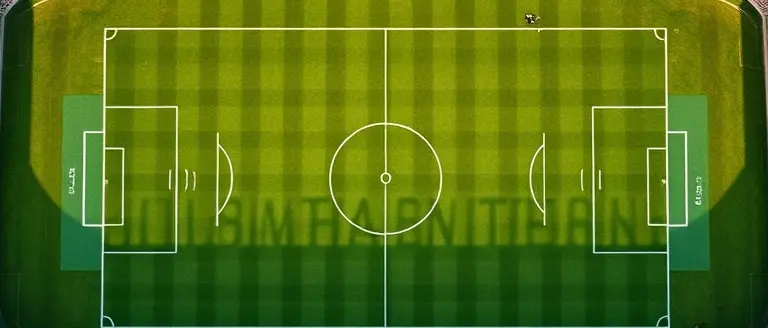
The USMNT vs Belgium Round of 16 clash in the World Cup 2026 served as a harsh tactical lesson for the American squad. While the Belgium starting 11 was criticized for being conservative early on, they executed a clinical low-block defense that neutralized the USMNT’s primary attacking lanes. Analysts like Alexi Lalas pointed to the lack of creative width in the final third, noting that the Americans were far too predictable when attempting to penetrate the central channels. The inability to break down the Belgian structure led to stagnant possession that invited counter-attacks, eventually exposing the US defensive line to the blistering pace of the Belgian transition.
Defensive Lapses and Transition Speed
The second half proved disastrous as the USMNT’s high press became disorganized. Key tactical failures identified during the match included:
- Over-commitment in the final third: By pushing fullbacks too high, the U.S. left massive gaps behind, allowing the Belgian midfield to exploit the space with long-ball transitions.
- Failure to contain Charles De Ketelaere: The Belgian playmaker consistently found pockets of space between the defensive and midfield lines, forcing the US center-backs into uncomfortable 1v1 situations.
- Transition vulnerability: As noted by Thierry Henry, the Belgian squad utilized a “spring-trap” strategy, intentionally drawing the U.S. forward before unleashing quick vertical passes to neutralize the American defensive recovery speed.
Ultimately, the USMNT vs Belgium national football team lineups were not just about personnel, but about structural discipline. While the U.S. dominated possession metrics, the tactical rigidity of their formation prevented them from adjusting to Belgium’s dynamic shifting. Henry’s insights emphasize that without a robust “plan B” to handle rapid transitions, the U.S. defense was destined to buckle against high-quality opposition. The match highlighted a persistent gap in how the USMNT manages game state when chasing a result against a disciplined European side.
Pundit Perspectives: Analyzing Lalas and Henry’s Commentary

The post-match discourse surrounding the USMNT vs Belgium Round of 16 clash has been defined by the contrasting analytical styles of Alexi Lalas and Thierry Henry. While both experts acknowledged the clinical brilliance of the Belgium starting 11, they diverged sharply on the officiating and the tactical execution displayed by the United States. Lalas, known for his high-energy, unfiltered critique, focused heavily on the officiating controversies that stifled American momentum in the second half. He argued that the refereeing decisions disrupted the USMNT’s transition game, effectively neutralizing their ability to counter-attack against a high-pressing European side.
In contrast, Thierry Henry offered a more measured, technical perspective, drawing upon his intimate knowledge of the current Belgium lineup. Henry emphasized the tactical discipline maintained by the Red Devils, particularly how they managed vertical spacing to prevent the US from finding gaps behind the defensive line.
Key Takeaways from the Punditry
- Tactical Discipline: Henry praised the composure of the Belgian midfield in maintaining possession under pressure, specifically highlighting how they exploited the space left by aggressive US fullbacks.
- Referees and Controversy: Lalas maintained a firm stance that officiating inconsistencies influenced the psychological state of the USMNT players, leading to critical defensive lapses.
- Clinical Finishing: Both pundits agreed that the goal from Charles De Ketelaere was the turning point, characterizing it as a masterclass in off-the-ball movement and clinical finishing.
- Positional Analysis: While Lalas challenged the US coaching staff for failing to make timely adjustments, Henry focused on the positional superiority of the Belgian squad, noting that their technical efficiency allowed them to dictate the tempo of the match.
Ultimately, the analysis highlights a fundamental divide: Lalas’s focus on competitive intensity and external variables versus Henry’s emphasis on systematic, structural coherence. Fans analyzing the Belgium victory should consider these dual viewpoints to fully understand why the American effort, despite its heart, struggled to overcome the superior structural organization of their opponents.
Key Turning Points: De Ketelaere and the Shift in Momentum

The match reached a definitive pivot point when Charles De Ketelaere entered the pitch, fundamentally altering the tactical landscape of this World Cup 2026 Round of 16 clash. Throughout the first half, the USMNT vs Belgium dynamic was defined by intense American pressure and a compact defensive structure that stifled Belgium’s initial attempts at progression. However, as noted by analysts like Thierry Henry, the introduction of De Ketelaere provided the technical fluidity required to stretch the American backline. His movement between the lines created a verticality that the USA had not been forced to defend against during the opening 45 minutes, effectively nullifying the USMNT momentum.
The Impact of Individual Brilliance
De Ketelaere’s decisive goal was more than just a finishing clinic; it was the catalyst for a total defensive collapse within the American ranks. As the Belgium lineup adjusted to his positioning, the USMNT midfield lost its shape, struggling to track his intelligent, late runs into the penalty box.
Key tactical observations from the shift include:
- Neutralizing the Press: De Ketelaere acted as a release valve for the Belgian defense, allowing them to bypass the initial USMNT line of pressure with precise, one-touch passing.
- Forced Defensive Errors: The sheer pace of the Belgian transition, spearheaded by De Ketelaere, forced the USA defenders into hurried clearances and positioning lapses.
- Punditry Insights: Alexi Lalas pointed out during the broadcast that the inability of the USMNT to adapt to this tactical substitution marked a critical failure in game management, as the team struggled to regain their composure following the opening strike.
This sequence of events turned a promising game for the USA into an uphill struggle, highlighting how a single moment of high-level individual brilliance can dismantle a well-drilled defensive block, much like the historic encounters between these two nations in previous tournaments.
Elevate Your Tactical Perspective
Understanding the nuances of this World Cup showdown requires more than just eyes on the screen; it demands a sharp, analytical mind capable of synthesizing complex strategies in real-time. We have examined the critical adjustments made by the USMNT and the masterful control exhibited by the Belgian side, highlighting why this match has become a defining moment for both programs. Much like the elite analysts providing the play-by-play, true tactical mastery requires sustained mental clarity.
Just as our players on the pitch need peak mental clarity to adjust to Belgium’s tactical shifts, fans need to stay sharp to fully grasp the tactical genius behind the commentary from Thierry Henry and the intense breakdowns provided by Alexi Lalas. This is where The Brain Song becomes your ultimate tactical accelerator. By combating the mental fog that often accompanies high-stakes live match tracking, it allows you to maintain the deep focus necessary to analyze every refereeing controversy and shift in the starting 11 with the precision of a professional scout.
Don’t let mental fatigue cloud your ability to dissect the game’s most pivotal turning points. By integrating this cognitive tool into your match-day routine, you bridge the gap between passive viewership and the sharp, analytical engagement of an elite pundit. You aren’t just watching history; you are understanding the tactical architecture behind it.
 Sharpen your tactical focus for the final match analysis with The Brain Song—tune in to the game with professional-level mental clarity.Yes, I Want This Now!