
In the last 48 hours, the internet has been captivated by Adelynn’s plant rescue, a heartwarming viral movement that is changing how we look at our wilting houseplants. Adelynn Young, a passionate plant advocate, has gained national attention for her near-miraculous ability to breathe life back into dying foliage. While her viral videos showcase the emotional triumph of a revived fern or a resilient pothos, the true value lies in the methodical, often grueling, horticultural techniques she employs behind the scenes. This isn’t just about good intentions; it is about understanding the delicate balance of soil drainage, light exposure, and the specific root-revival methods that turn a ‘lost cause’ into a thriving indoor garden.
For many, witnessing Adelynn’s journey serves as a wake-up call to the sustainability potential sitting right on their own windowsills. However, moving from an enthusiastic observer to a successful home rescuer requires more than just water and sunlight—it demands the right environment. To truly support the recovery of these delicate species, you need a specialized infrastructure that promotes healthy growth. As we dive into the ‘how-to’ of restorative gardening, we will uncover how professional-grade planning can transform your home into the ultimate sanctuary for your rescued green friends.
Who Is Adelynn Young? The Story Behind the Viral Plant Rescue Movement
Adelynn Young has emerged as a beacon of hope for plant lovers across the United States, spearheading a heartwarming movement known as adelynn’s plant rescue. What began as a personal hobby of nursing neglected greenery back to health has transformed into a national sensation, capturing the attention of millions through viral social media content. Adelynn distinguishes herself by not only rescuing local plants but actively coordinating the logistics to transport and rehabilitate dying vegetation from across various states. Her mission is rooted in the intersection of environmental sustainability and emotional healing, proving that even the most withered specimens can thrive with patience, proper horticultural knowledge, and dedicated care.
The Rise of a Viral Phenomenon
The rapid surge in interest surrounding this movement is a testament to the audience’s hunger for positive, feel-good content. Analysts suggest that the success of adelynn’s plant rescue stems from a unique blend of altruism and educational value. By documenting her journey, Adelynn has tapped into several key pillars of modern digital engagement:
- Sustainability and Waste Reduction: Her work highlights the potential to rescue plants from landfills, promoting a more eco-conscious lifestyle among her followers.
- Accessible Education: She demystifies complex plant-care techniques, making the revival of struggling flora seem achievable for the average household gardener.
- Emotional Resonance: The “before and after” transformation of plants mirrors themes of personal resilience, which has fostered a strong, supportive community around her brand.
As the trend gains momentum, the logistical complexities of her interstate rescues remain a focal point of public curiosity. By bridging the gap between amateur hobbyism and expert-level plant recovery, Adelynn Young has turned a simple act of compassion into a powerful narrative that encourages people to reconsider how they value and nurture the living environment around them. Her initiative is not just about saving a plant; it is about cultivating a global conversation on environmental stewardship and empathy.
The Adelynn Method: How She Revives Dying Plants
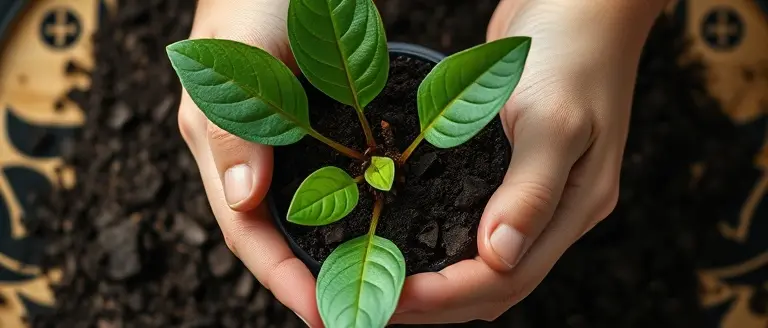
The viral phenomenon known as Adelynn’s plant rescue has captivated audiences not just through its heartwarming premise, but through the technical precision applied to botanical rehabilitation. When Adelynn Young takes on a “dying” specimen, she employs a systematic triage approach that prioritizes immediate biological stabilization over aesthetic recovery. Her method begins with a rigorous inspection of the root system, the most critical indicator of a plant’s viability. By removing decaying organic matter and identifying signs of root rot—often characterized by mushy, dark, or foul-smelling root structures—she creates a clean slate for growth. This initial intervention is crucial; without addressing the anaerobic conditions caused by overwatering, any further rehabilitation efforts are likely to fail.
Core Rehabilitation Techniques
To achieve consistent success, Adelynn’s process incorporates several key horticultural strategies that viewers can replicate at home:
- Strategic Pruning: She meticulously removes necrotic foliage and stems, redirecting the plant’s limited energy toward developing new, healthy growth rather than sustaining damaged tissue.
- Soil Aeration and Amendment: By transitioning rescued plants into high-quality, well-draining soil mixes, she ensures that root zones receive adequate oxygen, which is essential for nutrient uptake.
- Propagation and Re-rooting: In cases where the base is unsalvageable, she employs propagation techniques, using water or perlite-based mediums to encourage new root growth from healthy stem cuttings.
- Gradual Acclimatization: Rather than exposing stressed plants to harsh direct light, she utilizes a controlled transition period, allowing the vegetation to adjust to its new environment at a metabolic pace.
Beyond these technical steps, the Adelynn method emphasizes the importance of observation. By monitoring moisture levels and humidity requirements specific to each species, she bridges the gap between commercial nursery standards and sustainable home gardening. This combination of structural surgery and environmental patience provides a blueprint for anyone looking to turn neglected greenery into thriving indoor landscapes.
Essential Tools for Your Own Plant Rescue Mission

Inspired by the viral phenomenon of Adelynn’s plant rescue, many home gardeners are looking to transition from casual hobbyists to skilled plant rehabilitators. To mirror the success seen in her viral content, you need more than just good intentions; you require a clinical approach to plant health. The foundation of any successful rescue mission begins with precision diagnostics and high-quality maintenance tools. When dealing with neglected specimens, you must address underlying issues like root rot, nutrient deficiencies, and dehydration before aesthetic improvements can even be considered.
The Rehabilitator’s Toolkit
To equip your workspace for effective recovery, gather these essential items that prioritize plant health over convenience:
- Moisture Meters: Stop guessing your watering schedule. A reliable moisture meter provides an objective reading of the substrate, preventing the common mistake of overwatering, which is often the primary cause of decline in store-bought or neglected plants.
- Precision Pruning Shears: Use sharp, sterilized bypass pruners to remove necrotic tissue cleanly. A clean cut reduces the risk of pathogens entering the plant’s system and allows the plant to direct its limited energy toward healthy foliage rather than repairing damaged cells.
- Specialized Soil Amendments: A rescue mission often requires a substrate upgrade. Keep premium perlite for aeration, horticultural charcoal for root health, and high-quality potting mix on hand to create custom, well-draining blends tailored to specific species.
- Gentle Fertilizers: Avoid aggressive chemical treatments. Instead, opt for diluted, organic-based, or seaweed-derived fertilizers that provide micronutrients without the risk of “fertilizer burn” on vulnerable, weakened root systems.
By adopting these professional-grade tools, you align your home gardening efforts with the meticulous standards that define the Adelynn’s plant rescue movement. Remember that rehabilitation is a slow process; patience and consistent monitoring are the final components in your toolkit. As you treat each dying specimen, document its progress to better understand how specific interventions improve the vitality and long-term sustainability of your indoor garden.
Sustainability and the Growing Trend of Plant Rehabilitation
Adelynn’s plant rescue initiative has transcended simple internet fame, emerging as a powerful catalyst for the growing movement of botanical sustainability in the United States. By documenting the intricate process of nursing neglected flora back to health, Adelynn highlights the environmental impact of the “throw-away” culture that often plagues the nursery industry. Her work effectively demonstrates that plants—often discarded at the first sign of browning or stunted growth—are frequently capable of full recovery with the right horticultural intervention. This shift in perspective is encouraging a new generation of gardeners to view plant care as an act of stewardship rather than a temporary decorative choice.
The Circular Economy in Home Gardening
The momentum behind this trend is largely fueled by the principles of the circular economy. By focusing on rehabilitation, enthusiasts minimize waste, reduce the carbon footprint associated with commercial plant production, and prioritize the longevity of existing greenery. Adelynn’s viral impact showcases how social media can transform individual hobbyism into a broader ecological mission. Key benefits of this rehabilitation-first approach include:
- Waste Reduction: Diverting discarded plants from landfills and compost piles, thereby extending the lifecycle of indoor and outdoor flora.
- Resource Conservation: Reducing the demand for mass-produced plants, which often require intensive water and transport resources.
- Community Engagement: Fostering a network of enthusiasts who share proprietary recovery methods, such as strategic repotting, nutrient balancing, and humidity management.
As the movement grows, the focus is shifting toward practical, actionable methods. Plant rescue is no longer just a heartwarming story; it is a scalable practice. By teaching followers how to identify root rot, nutrient deficiencies, and environmental stressors, this trend provides the tools necessary to turn dying specimens into thriving assets. This intersection of emotional storytelling and science-based horticulture confirms that sustainability in home gardening is a sustainable, long-term cultural shift in the US.
Building Your Own Path to Plant Recovery
Becoming a proficient plant rescuer is a journey of patience, precision, and the right tools. By integrating the technical recovery methods inspired by Adelynn with a professionalized space, you ensure that your revived plants have the structural support they need to flourish long-term. Whether it is building custom propagation stations to stabilize root cuttings or constructing vertical shelving to maximize light exposure, the infrastructure you create is just as critical as the plant care itself.
This is where the transition from ‘admirer’ to ‘maker’ happens. Just as Adelynn uses a systematic approach to save dying greenery, you can use the same level of professional detail to master your home botanical projects. Ted’s Woodworking provides the essential maker’s toolkit, offering 16,000 ready-to-use blueprints that take the guesswork out of building customized plant supports. By providing professional-grade infrastructure, this resource eliminates the trial-and-error struggle, allowing you to focus on the horticultural craft of reviving your plants.
Ready to turn your passion into a fully equipped botanical workshop? With these plans, you can construct everything from ergonomic potting benches to specialized displays that provide the perfect environment for your growing collection. It is time to stop struggling with improvised solutions and start building the dedicated space your rescued plants deserve to thrive in for years to come.
 Ready to build your own dedicated plant recovery station? Get access to 16,000 professional workshop plans and start constructing your home botanical sanctuary today.Build My Plant Sanctuary Today!