
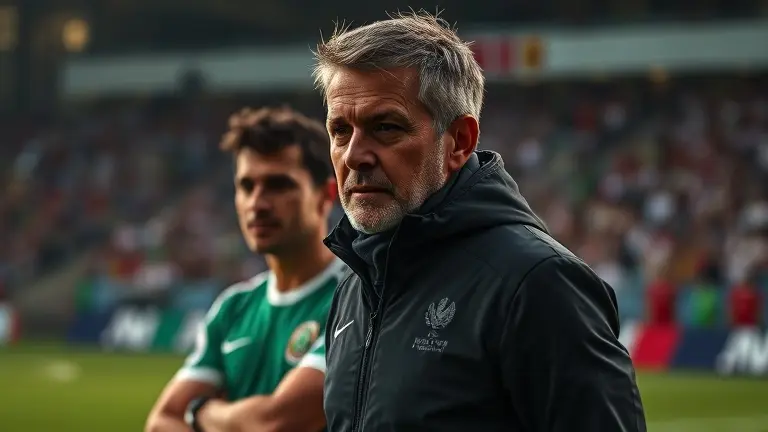
The dust has barely settled on the FIFA World Cup 2026, but the echoes of the Round of 16 clash between Mexico and England still resonate with painful intensity. The 3-2 defeat in a match defined by high-stakes pressure and a viral sideline outburst from Javier ‘El Vasco’ Aguirre has left the nation grappling with the familiar sting of the ‘se jugó como nunca, se perdió como siempre’ narrative. Yet, in the wake of Aguirre’s resignation, the atmosphere has shifted from pure heartbreak to a cautious, transformative optimism.
As Rafael ‘Káiser’ Márquez steps into the head coach role, the focus turns to the fundamental tactical evolution required to bridge the gap between hard-fought effort and cold, calculated victory. This transition is not merely a change in leadership; it is an invitation to strip away the emotional volatility of the past and embrace a more disciplined, cerebral approach to the beautiful game. Understanding the subtle defensive breakdowns against England requires more than just passion—it requires the cognitive precision to decode the future of Mexican football.
The End of an Era: Mexico’s Heartbreaking Exit Against England

The FIFA World Cup 2026 Round of 16 clash between México and Inglaterra on July 5, 2026, concluded in a familiar yet stinging fashion for the Mexican faithful. In a match defined by high-intensity swings and defensive vulnerability, Mexico suffered a 3-2 defeat, marking the end of their tournament aspirations. While the performance showed flashes of the grit expected on the world stage, the tactical lapses against the selección de fútbol de Inglaterra ultimately proved insurmountable. This result reignited the national conversation surrounding the “Se jugó como nunca, se perdió como siempre” narrative, highlighting a recurring cultural frustration with the team’s inability to overcome elite-tier opposition in critical moments.
The Resignation of Javier Aguirre
Following the final whistle, the emotional weight of the loss triggered an immediate shift in leadership. Javier Aguirre, affectionately known as ‘El Vasco,’ officially announced his resignation as head coach, concluding his tenure with a somber admission that the team had pushed as far as their current structure allowed. His departure was further complicated by a viral incident involving an altercation with English player Anthony Gordon, an event that dominated social media discourse and cast a shadow over his final match.
A New Chapter: The Rafa Márquez Era
In a swift response to the vacancy, the Mexican Football Federation confirmed that Rafa Márquez will succeed Aguirre as the new head coach. This transition represents a significant pivot for the team’s future:
- Tactical Evolution: Márquez is expected to shift toward a more modern, possession-oriented approach compared to the grit-heavy style favored by Aguirre.
- Leadership Transition: As the legendary ‘Káiser,’ Márquez brings immense international credibility and a deep understanding of European tactical nuances.
- Building for the Future: The federation looks to stabilize the locker room and address the defensive errors that characterized the loss to Inglaterra.
The appointment of Márquez is viewed as a high-stakes bet, aiming to bridge the gap between Mexico’s undeniable talent and the tactical discipline required to succeed in high-pressure knockout fixtures.
Defensive Vulnerabilities: Analyzing the 3-2 Loss

The México – Inglaterra Round of 16 clash at the 2026 FIFA World Cup serves as a somber case study in tactical fragility. Despite a spirited offensive display, the Mexican backline crumbled under the pressure of England’s transition game, highlighting systemic defensive vulnerabilities that ultimately led to a 3-2 defeat. Throughout the match, the Mexican defensive structure struggled to contain the pace of the English wingers, revealing significant gaps in the transition from attack to defense.
Tactical Gaps and Structural Errors
The primary issue lay in the lack of defensive cover during lateral transitions. When the Mexican fullbacks pushed forward to support the attack, the central defensive partnership failed to maintain a compact shape, leaving massive channels for the selección de fútbol de inglaterra to exploit. Key technical lapses included:
- Lack of Tactical Discipline: Midfielders were often caught too far up the pitch, failing to track the late runs of English attackers, which exposed the central defenders to 1-on-1 situations.
- Individual Concentration: The second goal in particular stemmed from a lapse in communication between the center-backs, allowing an unmarked English player to capitalize on a cross—a recurring weakness in the team’s aerial defense throughout the tournament.
- High Defensive Line Risks: Javier Aguirre opted for a high-press system that, while effective in the opening minutes, became a liability as the match progressed and player fatigue set in, allowing England to counter-attack with clinical precision.
These defensive deficiencies were compounded by a failure to adjust mid-game. While the effort was evident, the inability to adapt to the physical tempo of Inglaterra left the team susceptible to repetitive tactical errors. As the federation transitions toward the era of Rafael Márquez, addressing these deep-seated defensive vulnerabilities will be the new head coach’s most pressing mandate. The loss was not merely a matter of bad luck; it was a consequence of structural, repeatable errors that must be corrected to elevate the national team’s competitive ceiling on the international stage.
A New Chapter: Comparing Aguirre’s Legacy and the Márquez Era
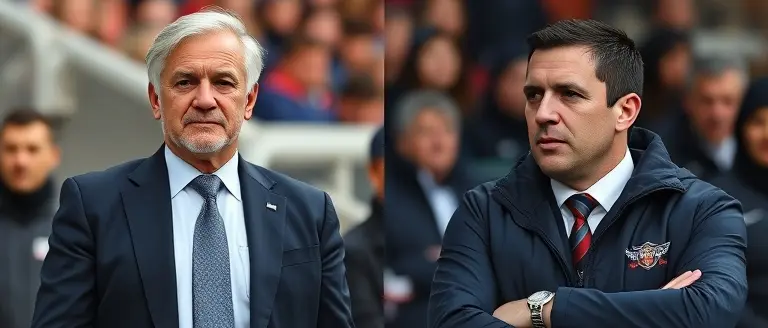
The aftermath of the mexico inglaterra clash in the 2026 FIFA World Cup has left the Mexican Football Federation at a definitive crossroads. Javier Javier Aguirre’s tenure was defined by a veteran-led, highly pragmatic approach that often prioritized defensive structure over fluid offensive transitions. While this style aimed to minimize risk, the heartbreaking 3-2 defeat against the selección de fútbol de inglaterra highlighted the fragility of such a rigid system when faced with high-intensity European opposition. Critics frequently pointed to the “se jugó como nunca, se perdió como siempre” syndrome—a cycle of tactical caution that arguably stifled the creative potential of the squad.
The Tactical Shift Under Rafa Márquez
The appointment of Rafa Márquez as the successor to Aguirre signals a shift toward a more modern, possession-oriented tactical philosophy. Having spent years refining his coaching craft within European elite structures, Márquez is expected to prioritize:
- Tactical Discipline: Moving away from the reactive nature of the previous cycle toward a proactive system that controls the tempo of the game.
- Youth Integration: A deliberate pivot toward younger, high-ceiling talents who can thrive in a faster-paced international environment, contrasting with Aguirre’s reliance on established, aging stalwarts.
- Systemic Flexibility: Developing the capability to adapt during matches rather than sticking to a static plan that often crumbled under pressure against elite sides like inglaterra.
The transition from the Aguirre era to the Márquez era is not merely a change in personnel; it represents a fundamental cultural shift in how Mexico approaches high-stakes tournament play. While the recent viral incident involving Aguirre and Anthony Gordon provided a tumultuous backdrop to his exit, the focus now turns toward whether Márquez can instill the tactical sophistication required to break the cycle of Round of 16 exits. For Mexican supporters, the hope is that this new leadership will translate into a more daring, competitive identity on the world stage.
Under the Microscope: The Viral Incident and Pressure in Elite Football

The intense atmosphere of the FIFA World Cup 2026 Round of 16 match between México and Inglaterra reached a boiling point that extended beyond the pitch. Viral footage capturing Javier Aguirre insulting English winger Anthony Gordon during a heated sideline exchange has ignited a firestorm of debate across social media. While emotions often run high in high-stakes international football, the incident has drawn significant scrutiny regarding the professional conduct expected of national team managers. For many observers, the outburst served as a visual manifestation of the immense psychological pressure resting on Aguirre’s shoulders as he attempted to lead his squad against a formidable selección de fútbol de Inglaterra.
The Psychology of Sideline Pressure
The scrutiny surrounding this moment highlights the unforgiving nature of the spotlight in modern sports. Managing a national team—particularly one with the passionate expectations of the Mexican fan base—creates a pressure cooker environment where every gesture is analyzed by millions.
- Public Accountability: Coaches are seen as the face of the national identity, and actions taken in the heat of the moment can overshadow tactical performance.
- Professional Conduct: FIFA regulations and general coaching standards emphasize decorum, yet the human element of frustration remains a volatile variable in elite competitions.
- Cultural Expectations: In the context of the mexico inglaterra rivalry, the incident reignited discussions about the emotional toll of the “do or die” knockout stage.
As the torch passes from Aguirre to Rafa Márquez, the incident stands as a reminder of the fragility of the coaching role. While the tactical failure resulted in a 3-2 defeat, the viral controversy underscores that navigating the psychological demands of the tournament is just as critical as the strategy itself. Moving forward, the Mexican Football Federation will likely emphasize a more measured approach to leadership, ensuring that future managers maintain composure even when the weight of a nation’s hopes begins to fracture under the pressure of international play.
Charting a Sharper Path for Mexican Football
Moving from the Aguirre era to the Márquez era demands that both the team and the fans move beyond the cycles of emotional frustration that have long plagued the national side. To truly dissect the defensive lapses of the World Cup or the nuances of Márquez’s incoming tactical philosophy, you need more than a superficial understanding of the game—you need a level of mental clarity that allows you to see the pitch with total objectivity.
This is where The Brain Song becomes an essential tool for the serious football analyst. Just as the national team requires a tactical reset, your own cognitive performance can be the difference between merely watching a match and truly understanding the structural evolution of the sport. By sharpening your focus and eliminating the mental fatigue that often colors our perception of defeat, this science-based cognitive boost provides the competitive advantage needed to parse complex tactical changes and leadership transitions.
Don’t just follow the headlines—master the analysis. By elevating your mental agility, you transform from a casual observer into an informed spectator capable of seeing the deep architecture behind every pass, substitution, and formation shift. The journey toward the next era of football starts with a clear mind.
 Unlock your analytical potential and sharpen your tactical insight with The Brain Song—start your cognitive training before the next match.Sharpen My Analytical Edge Now!