

As the Atlanta Dream prepare for their pivotal showdown in the Dream vs Mystics matchup on July 2, 2026, the atmosphere is heavy with the weight of expectation. Despite holding a 12-7 record and leading the Eastern Conference, the Dream are currently weathering a challenging three-game losing streak that has sparked urgent questions about team chemistry and defensive cohesion. This isn’t merely a betting line anomaly; it is a critical inflection point in the season where the tactical brilliance of stars like Rhyne Howard must be reconciled with a sudden, noticeable erosion of defensive execution.
For analysts and dedicated fans alike, the surface-level statistics don’t tell the full story. Beyond the box score lies a complex narrative of mid-season fatigue and the mental rigor required to maintain elite-level consistency. To truly understand the trajectory of this matchup and the potential for a mid-season turnaround, we must look past the simple wins and losses to see how the Dream are recalibrating their strategy to break through the current defensive fog and reclaim their dominance.
Atlanta Dream vs. Washington Mystics: Mid-Season Stakes
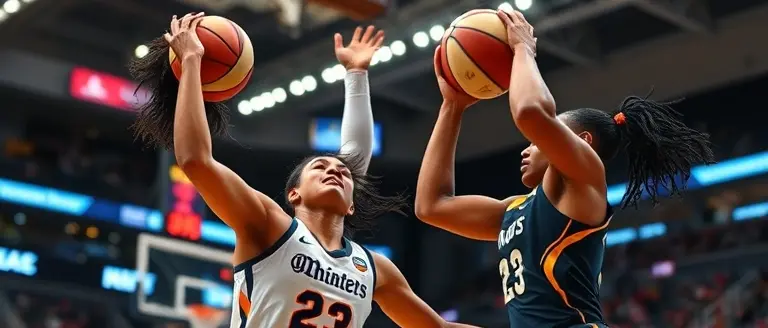
The July 2, 2026, matchup between the Atlanta Dream and the Washington Mystics represents far more than a standard regular-season game; it is a critical litmus test for a team currently navigating its most challenging stretch of the year. Despite maintaining a respectable 12-7 record and holding a lead in the Eastern Conference, the Dream arrive in Washington grappling with the psychological and tactical weight of a three-game losing streak. This slide has prompted intense scrutiny from analysts and fans alike, raising questions about whether the team’s early-season dominance was sustainable or if structural flaws are finally surfacing during the grueling mid-season grind.
Navigating the Mid-Season Slump
For the Atlanta Dream, the stakes of the dream vs mystics contest are amplified by the need to halt a slide that has threatened to erode their conference lead. When examining the current state of the team, several key performance metrics come to the forefront:
- Defensive Fatigue: Analysts have noted that recent losses stemmed from a regression in defensive intensity, moving away from the disciplined play that characterized their earlier wins.
- Offensive Stagnation: The team has struggled to find consistent scoring avenues outside of their primary options, often resulting in low-scoring affairs that leave them vulnerable in the closing minutes.
- Momentum Management: This game serves as a pivot point; a victory would validate their standing as title contenders, while a loss could signal a broader decline in team chemistry and tactical execution.
While betting markets focus heavily on the spreads and potential prop bets, the real story lies in the locker room’s ability to adjust under pressure. The Washington Mystics, known for their grind-it-out defensive style, are the perfect opponent to test the Dream’s resolve. If the Atlanta Dream expect to secure a deep playoff run, they must treat this matchup as a foundational game, proving they can diagnose their own inefficiencies and translate tactical preparation into a clean, cohesive performance on the court. The outcome on July 2 will likely dictate the narrative for the remainder of their summer campaign.
Anatomy of a Losing Streak: Behind the Box Score

The Atlanta Dream enter their matchup against the Washington Mystics navigating an uncharacteristic three-game slide. Despite maintaining a respectable 12-7 record and leading the Eastern Conference, the recent drop-off has raised concerns about team chemistry and tactical consistency. A deeper look at the metrics reveals that this slump is not merely a string of bad luck but a result of measurable efficiency declines. During this three-game stretch, the Dream have struggled to maintain their defensive intensity in the paint, often resulting in high-percentage looks for opponents and a stagnant half-court offense that relies too heavily on isolation plays.
Systemic Challenges and Tactical Adjustments
Evidence suggests that the primary issue lies in defensive rotations. When the team’s defensive pressure eases, the transition efficiency suffers, forcing the offense to operate against set defenses rather than capitalizing on fast breaks. Key areas identified for improvement include:
- Defensive Rebounding: A failure to secure the glass has led to an increase in second-chance opportunities for opposing teams.
- Offensive Spacing: With Rhyne Howard attracting significant defensive attention, the secondary scoring options have struggled to find rhythm, leading to forced shots late in the shot clock.
- Rotational Fatigue: The coaching staff is currently experimenting with bench lineups to mitigate the physical toll of a dense mid-season schedule.
While the betting markets often reduce this dream vs mystics narrative to simple win-loss probabilities, the true story is one of structural recalibration. For the Dream to snap their streak, they must rediscover the perimeter discipline that defined their early-season success. If they can tighten their defensive rotations and diversify their offensive attack beyond primary playmakers, they remain a top-tier contender despite this temporary dip in form. The game against the Mystics serves as a critical litmus test for whether these adjustments are taking hold.
Team Chemistry and Playoff Trajectory
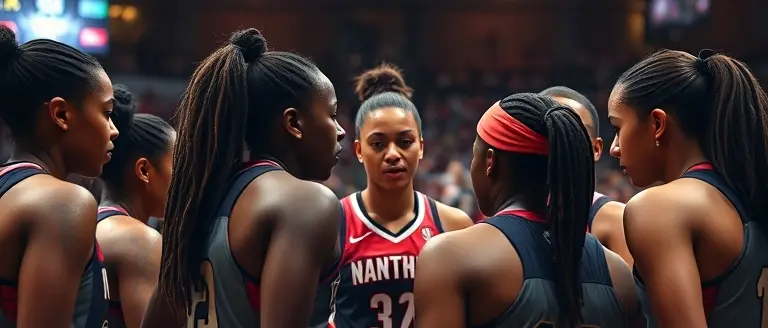
The Atlanta Dream find themselves at a critical junction as the dream vs mystics matchup approaches. Despite maintaining a 12-7 record and leading the Eastern Conference, the recent three-game losing streak has sparked necessary internal conversations regarding team chemistry. High-performing rosters often face mid-season plateaus, but for a team with championship aspirations, the current friction highlights a need for evolved leadership and tactical cohesion. Coaches and veteran players are now focusing on re-establishing the defensive identity that defined their early success, rather than allowing recent shooting slumps to erode team confidence.
Navigating the Mid-Season Slump
Evidence suggests that the current dip is less about roster talent and more about offensive synchronization. As opposing teams gather more film on the Dream’s rotation, the Atlanta coaching staff must implement adaptive strategies to keep their playoff trajectory secure. Key internal focus areas include:
- Offensive Fluidity: Reducing reliance on individual heroics by increasing off-ball movement to create higher-percentage shots.
- Defensive Accountability: Reinvigorating the transition defense that allowed the team to secure their dominant standing earlier in the season.
- Veteran Mentorship: Utilizing established locker room leaders to stabilize the roster’s emotional response to the three-game skid.
While betting markets are hyper-focused on the immediate outcome of the dream vs mystics game, the broader reality is that Atlanta’s playoff positioning remains robust. If the team can leverage this cooling-off period to refine their half-court sets, they remain well-positioned for a deep postseason run. The synergy between stars like Rhyne Howard and the supporting cast will be the ultimate barometer for whether this squad can overcome their current hurdles or if they require further structural adjustments before the final push toward the WNBA playoffs.
Strategic Outlook: Beyond the Betting Odds

While the dream vs mystics matchup frequently dominates headlines due to shifting betting lines and point spreads, the true narrative for the Atlanta Dream lies in their internal evolution. Despite maintaining a competitive 12-7 record and holding the top spot in the Eastern Conference, the current three-game losing streak has exposed vulnerabilities in the team’s offensive rhythm and transition defense. Rather than focusing on the transactional nature of sportsbooks, observers should look toward the tactical adjustments required to regain their early-season momentum. The matchup against the Washington Mystics serves as a critical litmus test for the team’s resilience and ability to execute under pressure.
Key Performance Indicators for Recovery
To determine if Atlanta can snap their cold streak and re-establish their dominance, fans and analysts must monitor specific Key Performance Indicators (KPIs) that transcend simple win-loss records. If the Dream intends to secure a deep playoff run, the following metrics will be decisive:
- Defensive Rebounding Rate: A primary factor in recent losses has been the inability to limit second-chance opportunities for opponents. Tightening the glass is essential to controlling the pace of the game.
- Assists-to-Turnover Ratio: Offensive stagnation during the recent slump suggests a lack of ball movement. Increasing player engagement, particularly from stars like Rhyne Howard, will be necessary to stretch the Mystics’ defensive perimeter.
- Third-Quarter Scoring Margin: Evidence suggests that Atlanta has struggled with maintaining intensity coming out of the halftime break. Improving their net rating during this window is vital for closing out opponents before the final minutes.
Ultimately, the goal for the Dream is to move away from low-scoring, grind-it-out affairs and return to their signature high-efficiency play. By prioritizing ball security and interior defensive rotations, the team can stabilize their performance, proving that their conference lead was a reflection of genuine skill rather than an early-season anomaly. Success against Washington will depend on these foundational elements, marking a shift from reactive play to consistent, championship-caliber basketball.
Sharpening Your Analytical Edge
The path forward for the Atlanta Dream isn’t found in aggressive betting adjustments, but in a return to core principles and mental clarity. Just as the players must strip away the noise of a losing streak to focus on their defensive rotations, those who track the intricacies of the WNBA must also maintain a state of peak cognitive awareness to identify the subtle trends that define a winning team. The difference between a casual observer and a sophisticated analyst lies in the ability to process complex performance data without losing focus in the face of season-long fatigue.
This is where ‘The Brain Song’ becomes an essential tool for your analytical arsenal. Much like the players needing to break through a slump with renewed mental sharpness, you need a way to clear the brain fog that accumulates when synthesizing dense sports statistics and tactical breakdowns. By optimizing your cognitive function, you gain the clarity required to see the game as it truly is, transforming raw data into actionable insights and helping you stay ahead of the narrative curve as the season accelerates toward the playoffs.
Integrating this cognitive performance tool into your routine ensures you remain as sharp as the game demands. Whether you are deep-diving into defensive strategies or simply tracking the momentum shifts of the Atlanta Dream, you deserve a performance edge that keeps your perspective focused and your analysis precise.
 Elevate your analytical game and clear the mental fog—listen to The Brain Song to refine your tactical perspective.Sharpen My Analytical Edge Today!