
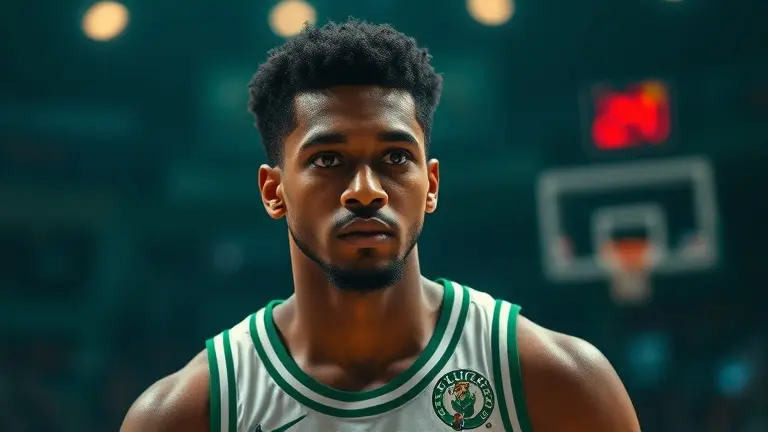
In a move that has sent shockwaves through the NBA, the Boston Celtics have officially ended the Jaylen Brown era, shipping the 2024 Finals MVP to the Philadelphia 76ers in a blockbuster deal centered around Paul George. For a franchise that just reached the pinnacle of basketball, this strategic pivot is as bold as it is jarring. While the initial headlines focused on the sheer shock of the trade, the real story lies in the calculated gamble by Boston’s front office to retool their roster around George’s perimeter versatility and a treasure trove of draft capital, effectively closing the book on one of the most successful pairings in recent Celtics history.
Understanding this move requires peeling back layers of complex Jaylen Brown contract figures and the long-term impact of the Paul George contract. As fans scramble to adjust their fantasy basketball projections and analyze how this alters the Eastern Conference hierarchy, the level of cognitive load required to synthesize salary cap limitations and tactical fit is immense. This is no longer just a story about two stars; it is a masterclass in high-stakes, high-pressure sports management that demands absolute mental clarity to fully comprehend.
The Blockbuster Deal: Analyzing the Celtics-76ers Swap

In a stunning pivot that has reshaped the Eastern Conference, the Boston Celtics officially ended the “Jaylen Brown era” on July 1, 2026, by sending the 2024 NBA Finals MVP to the Philadelphia 76ers. This seismic move occurred shortly after Boston’s failed pursuit of Giannis Antetokounmpo, forcing the front office to pivot toward a new strategic direction. By acquiring Paul George and a substantial package of draft capital in exchange for Jaylen Brown, the Celtics are betting on a tactical shift in their wing rotation, prioritizing different skill sets as they look to maintain their championship window.
The Mechanics of the Trade
The exchange centers on swapping two of the league’s most accomplished wings, though their career trajectories and current Jaylen Brown contract status present different implications for both franchises. For the 76ers, securing Brown provides a younger, high-impact scorer to pair with their existing core, aiming to bolster their title aspirations immediately. Meanwhile, the Celtics take on the Paul George contract, banking on his veteran playmaking and defensive versatility to diversify their offense.
Key elements of this blockbuster deal include:
- The Player Swap: Jaylen Brown heads to Philadelphia, while Paul George moves to Boston.
- Draft Capital: The Celtics secured multiple future draft picks, adding long-term insurance to their roster management.
- Financial Strategy: Both teams are navigating complex salary cap ramifications, as each player occupies a significant portion of their respective cap space.
Analysts suggest that while the Celtics are parting with a franchise icon in Jalen Brown—often misspelled, yet equally central to their recent success—the decision reflects a calculated effort to refresh their rotation. By moving on from the core that brought them a recent title, Boston is signaling that they are prioritizing long-term flexibility over continuity. As the league processes this transaction, the pressure now shifts to both organizations to prove that these drastic roster changes will yield results in the upcoming 2026-2027 season.
Trade Assets Breakdown: What Each Side Gained

The landscape of the Eastern Conference has undergone a seismic shift following the blockbuster deal between the Boston Celtics and the Philadelphia 76ers. By moving Jaylen Brown—the reigning Finals MVP—to Philadelphia, the Celtics have fundamentally altered their roster construction, prioritizing long-term flexibility and veteran poise through the acquisition of Paul George. This trade is not merely a player-for-player swap; it is a calculated gamble on how both franchises perceive their immediate championship windows.
Summary of Trade Assets
| Asset Category | Boston Celtics Receive | Philadelphia 76ers Receive |
| :— | :— | :— |
| Primary Player | Paul George | Jaylen Brown |
| Draft Capital | 2027 First-Round Pick (Unprotected) | 2028 Second-Round Pick |
| Secondary Assets | 2029 First-Round Swap Rights | Cash Considerations |
For the 76ers, acquiring a player of Brown’s caliber at this stage of his career addresses their need for a high-intensity, two-way engine to pair with their existing star core. The 76ers front office clearly determined that Brown’s prime production outweighs the veteran leadership provided by George. By absorbing the remainder of the Jaylen Brown contract, Philadelphia is signaling an “all-in” approach, banking on his ability to elevate them past the second round and into the NBA Finals.
Conversely, the Celtics’ strategy centers on the Paul George contract and the influx of future assets. Boston’s decision to move on from a Finals MVP reflects an internal focus on tactical versatility and cap-space management. While losing a player who consistently performs under pressure is a significant risk, the front office appears confident that George’s perimeter shooting and playmaking efficiency align better with their system moving forward. Furthermore, the inclusion of unprotected first-round draft picks provides Boston with the necessary ammo to remain competitive even if their roster eventually faces a deeper transition phase. Ultimately, the jaylen brown trade represents a clash between Philadelphia’s desire for immediate explosive scoring and Boston’s preference for strategic roster resets.
Tactical Pivot: Comparing the Playstyles of Jaylen Brown and Paul George
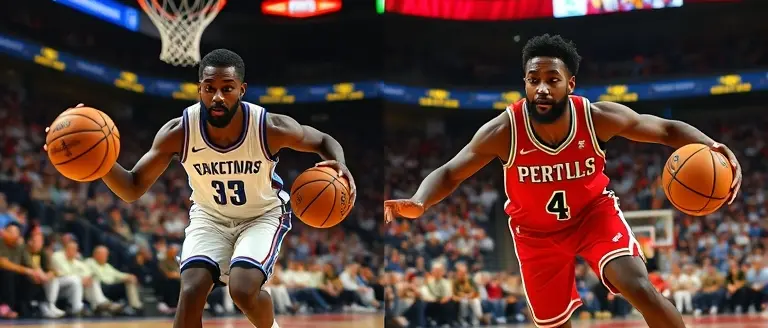
The jaylen brown trade represents a fundamental shift in philosophy for the Boston Celtics. While Brown offered elite rim pressure, relentless transition scoring, and the physical versatility to guard multiple positions, his departure signals a move toward a more perimeter-oriented, high-IQ offensive structure. Brown was the engine of Boston’s transition game, frequently collapsing defenses with his downhill aggression. In contrast, paul george brings a distinct set of skills centered around high-level spacing and veteran craftiness. By swapping Brown for George, the Celtics are betting that George’s superior off-ball gravity and perimeter shooting efficiency will better unlock the floor for Jayson Tatum, despite the age gap and the loss of Brown’s specific athletic profile in the open court.
Strategic Implications for Boston and Philadelphia
The transition from Brown to George alters the tactical identity for both franchises significantly:
- Boston’s Offensive Floor Spacing: Paul George functions as a quintessential “plug-and-play” elite shooter. His gravity forces opposing defenses to respect him far beyond the arc, creating more driving lanes than the system utilized under the previous jaylen brown contract era.
- Philadelphia’s New Look: The 76ers gain a premier two-way wing who excels in isolation and transition. Jaylen Brown’s ability to generate his own shot will alleviate the scoring burden on Joel Embiid, potentially extending the star center’s window of dominance.
- Defensive Versatility: While George remains a high-IQ defender with excellent instincts in passing lanes, the Celtics lose the raw strength and switchability that made Brown a reliable defensive anchor during their championship run.
Ultimately, this trade is a calculation of skill over pure athleticism. The Celtics are prioritizing the immediate perimeter proficiency of George to optimize their half-court offense, while the 76ers are banking on the continued athletic prime of Brown to push their ceiling higher. Monitoring the paul george contract and how it integrates into the Celtics’ salary cap structure will be the next major hurdle for the front office as they navigate this new strategic landscape.
The ‘Why’ Behind the Breakup: Assessing the Risks and Rewards

The decision to trade a reigning Finals MVP is unprecedented in the modern NBA, yet the Celtics’ front office clearly prioritized long-term fiscal flexibility and tactical evolution over roster continuity. By moving on from the jaylen brown contract, Boston is effectively resetting its luxury tax obligations while pivoting toward a system that favors elite floor spacing and secondary playmaking. While Brown provided unmatched athleticism and interior finishing, the acquisition of paul george offers a veteran presence whose playstyle theoretically integrates more seamlessly into a system dominated by high-volume perimeter shooting. This strategic shift suggests that Boston believes their previous championship window was closing due to diminishing returns on salary investment, opting instead to maximize their championship probability through tactical versatility.
Assessing the Tactical and Financial Trade-Offs
The 76ers are betting heavily on the prime years of jalen brown to elevate their current roster into a definitive title favorite. For Philadelphia, this move is a high-stakes gamble that they possess the supporting cast to complement a multi-dimensional scorer who can create his own shot in high-pressure playoff environments. Conversely, the paul george contract represents a shorter-term commitment for Boston, potentially clearing significant cap space for the 2027 and 2028 free agency classes.
Key considerations for this blockbuster deal include:
- Salary Cap Efficiency: Boston’s move significantly eases their long-term cap strain, allowing for more aggressive roster building around their primary stars.
- Tactical Versatility: The inclusion of multiple draft picks provides the Celtics with trade assets to pursue further upgrades, whereas Philadelphia gains a reliable, proven elite defender and transition threat.
- Championship Windows: Philadelphia’s window is now firmly open for the immediate 2026-2027 season, while Boston is hedging for sustained, multi-year dominance.
Final Trade Grades
- Boston Celtics: B+ – The move is risky but demonstrates a bold, calculated approach to avoiding stagnant roster construction.
- Philadelphia 76ers: A- – Adding a Finals MVP puts them in the top tier of the Eastern Conference immediately, assuming health remains a priority.
Ultimately, this trade fundamentally alters the landscape of the NBA, forcing fans to recalibrate their expectations for both the Celtics’ defensive identity and the 76ers’ ceiling as a championship contender.
Mastering the New NBA Landscape
The acquisition of Paul George for Jaylen Brown is a transformative moment that redefines the competitive ceiling for both the Celtics and the 76ers. By choosing a strategic overhaul over roster continuity, Boston has bet everything on a different analytical profile, forcing fans and analysts alike to pivot their understanding of the team’s championship window. Parsing the long-term ripple effects—from cap flexibility to the intricate valuation of the draft assets involved—is a monumental task that requires more than just surface-level sports knowledge.
As you dive deeper into these high-stakes salary cap ramifications, it is easy to succumb to the mental fatigue that comes with tracking such complex shifts in the league. Keeping your cognitive performance at its peak is the secret weapon for any fan who wants to truly stay ahead of the curve. To maintain the edge needed to process these technical details and fantasy basketball projections, we recommend The Brain Song. By integrating this neuroscience-based auditory routine into your daily analysis, you unlock enhanced focus and superior information processing speed, ensuring you never miss a nuance in this evolving story.
This is the natural next step for the dedicated analyst. Sharpen your perspective and master the technical details of this trade to see the game with total clarity.
 Optimize your focus and master the technical details of this trade by incorporating this neuroscience-based auditory routine into your daily analysis.Yes, I Want This Now!