
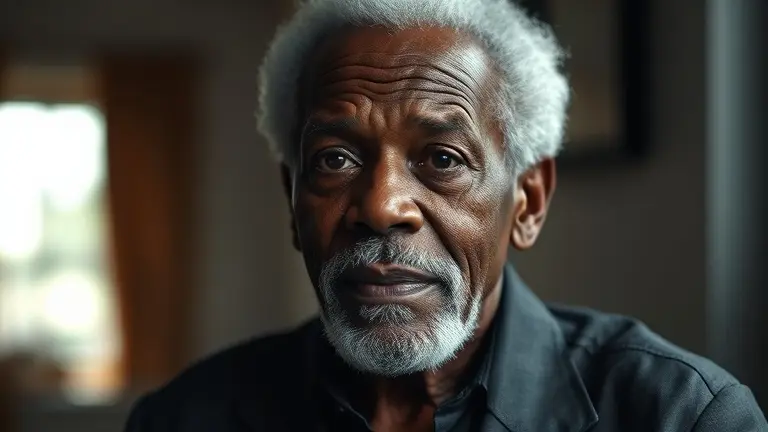
On July 1, 2026, the world paused to listen as legendary actor and activist Danny Glover, at 79, shared a deeply personal update during a poignant interview with Lester Holt on the ‘TODAY’ show. With the grace that has defined his illustrious career, Glover revealed that he has been living with a diagnosis of Alzheimer’s disease since 2022. Rather than retreating from the public eye, Glover made the intentional decision to share his story while he is still able, aiming to dismantle the profound stigma that often silences those facing cognitive decline.
Glover’s announcement marks a significant turning point in public discourse, shifting the focus from the shock of a celebrity diagnosis to a more vital conversation: the importance of autonomy, dignity, and proactive management in the face of Alzheimer’s disease. By choosing to speak out, he is not merely revealing a health condition; he is championing a new approach to ‘living with’ a diagnosis, encouraging others to remain engaged, active, and vocal about their experiences. As we look beyond the headlines, we examine how his advocacy provides a blueprint for families navigating their own journeys with cognitive health.
Danny Glover Reveals Alzheimer’s Diagnosis in Courageous Public Statement

On July 1, 2026, the entertainment and advocacy communities were moved by a profound revelation from legendary actor and activist Danny Glover. In a candid, televised interview with Lester Holt on the TODAY show, the 79-year-old icon disclosed that he has been navigating a diagnosis of Alzheimer’s disease since 2022. By choosing to share his medical journey publicly, Glover has transitioned from his storied career in Hollywood into a new role as a vocal advocate for cognitive health awareness. His decision to come forward now, four years after his initial diagnosis, was a deliberate act of agency, intended to normalize conversations around neurodegenerative conditions while he is still able to share his experiences in his own voice.
Challenging the Stigma of Alzheimer’s
Glover’s primary motivation for the danny glover memory condition interview was to dismantle the pervasive social stigma that often isolates those living with memory-related illnesses. During the interview, he offered a resilient perspective, stating, “I don’t feel like it’s the end of my life” and noting that he has learned to live with the condition, finding ways to maintain his autonomy and quality of life despite the medical challenges.
Key aspects of his approach include:
- Proactive Transparency: Choosing to own his narrative rather than allowing speculation to dictate his public image.
- Empowered Living: Focusing on current capabilities rather than potential future decline.
- Advocacy Through Storytelling: Utilizing his platform to provide visibility for millions of others currently facing similar diagnoses.
By sharing these insights, Glover is shedding light on the reality that a diagnosis of Alzheimer’s disease does not immediately necessitate the total loss of identity or purpose. His story serves as a critical reminder that with proper support and a focus on maintaining dignity, individuals can continue to engage with their communities and pursue meaningful lives.
A Legacy of Impact: Celebrating Danny Glover’s Hollywood Career

For over five decades, Danny Glover has stood as a titan of American cinema, blending unparalleled acting range with an unwavering commitment to humanitarian causes. From his breakout performance in The Color Purple to the iconic partnership in the Lethal Weapon franchise, Glover has consistently utilized his platform to advocate for social justice, labor rights, and international equity. His career is defined not merely by his credits on screen, but by his integrity off-screen, serving as a tireless voice for the marginalized long before such advocacy became commonplace in Hollywood circles.
Advocacy as a Lifelong Foundation
Glover’s decision to speak publicly about his Alzheimer’s disease diagnosis—which he has managed privately since 2022—is a natural evolution of his life’s work. By choosing to address the danny glover memory condition interview with transparency on the TODAY show, he is once again challenging societal boundaries. Just as he fought for political visibility during his younger years, he is now using his current chapter to dismantle the pervasive stigma surrounding cognitive decline.
His public admission serves as a powerful testament to the necessity of living with agency and dignity, even in the face of a challenging health diagnosis. Key aspects of his approach include:
- Radical Transparency: By speaking out while still in the early-to-mid stages of the condition, Glover aims to normalize conversations around brain health.
- Maintaining Autonomy: His approach focuses on proactive management, emphasizing that a medical diagnosis does not mark the conclusion of one’s identity or personal influence.
- Destigmatization Efforts: He is actively reframing the narrative of the disease from one of inevitable loss to one of managed living and continued purpose.
This commitment to social progress, now redirected toward aging and neurological health, reinforces the legacy of a man who has always prioritized human truth over comfort. As fans and the medical community reflect on his storied contributions, his current advocacy provides a vital blueprint for families navigating similar life-altering news.
Advocacy and Autonomy: Glover’s Approach to Living with Alzheimer’s

In his recent interview with Lester Holt, Danny Glover demonstrated a paradigm shift in how individuals process a diagnosis of Alzheimer’s disease. By waiting until he felt capable of sharing his truth on his own terms, the 79-year-old actor has moved beyond the traditional “patient” narrative toward a model of proactive living. His public admission that he “could live with it, in a sense” reflects a deliberate choice to maintain personal agency rather than surrendering his identity to the condition. This approach emphasizes that a diagnosis does not signify an immediate end to one’s contribution to society or personal growth, but rather a new chapter requiring different navigational tools.
Strategies for Maintaining Autonomy
Glover’s transparency serves as a vital roadmap for families navigating a similar memory condition. To mirror his proactive stance, experts often recommend the following strategies for those seeking to combat the stigma surrounding cognitive decline:
- Early Transparency: Sharing the diagnosis with a trusted support circle early on helps maintain autonomy by allowing the individual to participate in long-term legal, financial, and medical decision-making while they are most cognitively capable.
- Focus on Current Ability: Instead of fixating on future decline, shift the daily focus to maintaining current functional roles and passions, as Glover has modeled through his continued engagement with his community.
- Purpose-Driven Advocacy: Utilizing one’s platform—no matter the size—to talk about the realities of the disease helps normalize the conversation and reduces the social isolation often associated with Alzheimer’s.
- Structured Routine: Integrating health-supportive habits and professional therapy can help manage symptoms and preserve cognitive function for as long as possible.
By framing his experience as a transition rather than a defeat, Glover is helping to dismantle the shame that often accompanies a danny glover memory condition interview or similar public revelations. His commitment to living with purpose provides a powerful blueprint for others, demonstrating that while the diagnosis changes the trajectory, it does not have to extinguish one’s voice or influence.
Resources and Strategies for Early-Stage Alzheimer’s Advocacy

The recent danny glover memory condition interview has sparked a vital national conversation regarding the importance of early diagnosis and proactive management. For individuals navigating an Alzheimer’s disease diagnosis, the path forward often requires a shift in perspective—moving from a focus on decline to a strategy centered on maintaining autonomy and quality of life. As Glover noted in his public address, reclaiming agency over one’s narrative is a powerful tool in dismantling the social stigma that frequently isolates those with cognitive impairment.
Navigating the Early Stages of Diagnosis
When a family receives a diagnosis, immediate action is essential to ensure long-term stability and emotional health. Experts recommend the following strategies for those seeking to mirror the proactive approach highlighted by Glover:
- Establish a Care Partnership: Connect with organizations like the Alzheimer’s Association (alz.org), which provides comprehensive resources for legal planning, financial advocacy, and emotional support.
- Prioritize Cognitive Engagement: Maintain intellectual and social stimulation. Consistent engagement helps preserve existing neural pathways and bolsters emotional resilience against the symptoms of the condition.
- Build a Support Network: Advocacy is not a solitary effort. Joining a support group—whether in-person or virtual—connects families with others who understand the unique challenges of living with the disease.
- Focus on Early Intervention: Medical guidance on lifestyle modifications, including diet, exercise, and sleep hygiene, can significantly influence the trajectory of disease progression.
Public figures like Danny Glover play a critical role in normalizing the conversation around cognitive health. By viewing the diagnosis as a manageable chapter rather than the end of one’s identity, patients and families can foster an environment of dignity. Utilizing reputable clinical resources and participating in community advocacy helps reduce the shame often associated with dementia, ensuring that those impacted can continue to live purposeful, connected lives for as long as possible.
Empowering Your Path to Cognitive Vitality
Danny Glover’s courageous decision to share his journey with Alzheimer’s serves as a powerful reminder that a diagnosis is not the end of one’s story, but rather a call to live with renewed intentionality. By choosing to face this challenge head-on and advocate for transparency, he is transforming the conversation around cognitive decline from one of fear to one of empowerment and proactive management.
While medical guidance remains the cornerstone of any health strategy, many individuals are also looking for accessible, daily routines to help maintain their cognitive sharpness and combat the mental fog that often accompanies the natural aging process. This is where a proactive lifestyle approach becomes vital, bridging the gap between clinical care and daily well-being.
This is precisely why we recommend integrating The Brain Song into your routine. By leveraging innovative, neuroscience-based auditory stimulation, this tool offers a non-invasive, science-backed way to support your brain health, enhance mental clarity, and maintain focus. It perfectly aligns with the proactive spirit Glover advocates for, providing a simple, actionable step toward preserving your cognitive agency today.
 Explore how daily auditory stimulation can support your cognitive routine and help maintain mental clarity as part of your overall brain health strategy.Transform My Cognitive Health Today!