
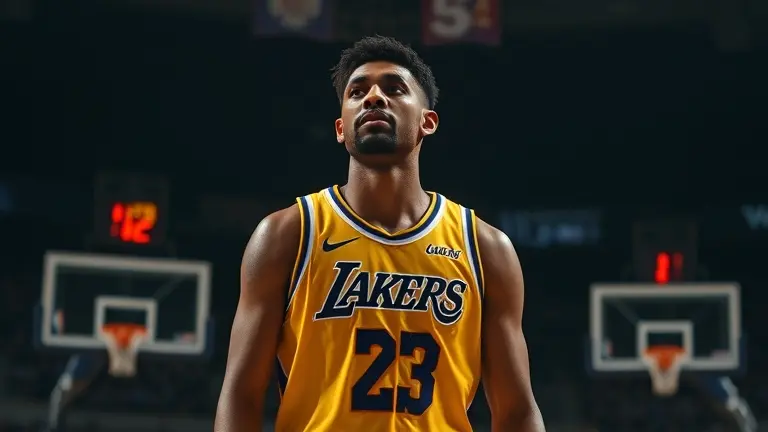
The July 1, 2026, sign-and-trade that brought Walker Kessler to the Los Angeles Lakers has officially closed the chapter on the LeBron James era, signaling a radical shift in organizational philosophy. By committing $130 million over four years to the defensive-minded center, the Lakers front office has bet their future—literally, by parting with unprotected 2031 and 2033 first-round picks—on the belief that a structural, paint-first identity can compensate for the loss of a superstar playmaker. This move has ignited a firestorm of analysis regarding whether the current Lakers roster possesses the tactical discipline to thrive in a post-LeBron offensive environment.
Moving past the initial shock of the trade, the focus now turns to the hard reality of roster construction. Without a primary initiator to dictate the flow, the team faces the daunting challenge of integrating Kessler’s specific skill set into a scheme that must rely on precision rather than individual brilliance. Examining Walker Kessler stats and his impact on defensive efficiency is no longer just for stat-heads; it is the cornerstone of understanding whether this bold $130 million gamble will lead to a new championship foundation or a long, expensive rebuild.
The Lakers’ New Era: Breaking Down the Walker Kessler Sign-and-Trade

The landscape of the Lakers roster underwent a seismic shift on July 1, 2026, when the organization finalized a high-stakes sign-and-trade deal with the Utah Jazz to acquire center Walker Kessler. This move, which comes in the immediate wake of LeBron James’ high-profile departure, signals a definitive transition for the franchise from a win-now, veteran-centric model to a long-term strategic rebuild. By securing Kessler to a four-year, $130 million contract, the front office has clearly signaled that they view the rim-protecting big man as a foundational cornerstone for the next half-decade. However, the acquisition has sparked intense debate among analysts regarding the cost of this transition, particularly given the scarcity of elite playmaking now that the franchise’s previous pillar has exited the building.
The Cost of Competition: Analyzing the Assets
The “tough reality” of this transaction centers on the draft capital surrendered to facilitate the sign-and-trade. To bring Kessler to Los Angeles, the Lakers were forced to part ways with significant future assets, most notably:
- Two unprotected first-round picks (2031 and 2033): These high-value assets represent a massive gamble, as they effectively strip the organization of its flexibility during the expected nadir of the post-LeBron era.
- Additional pick swaps: These inclusions further limit the team’s ability to pivot or pivot through the draft should the current roster construction fail to yield immediate defensive dividends.
While Walker Kessler stats demonstrate his elite defensive upside and shot-blocking capability, the logic behind moving such premium draft capital remains a point of contention. Lakers news outlets have highlighted this as a “massive payday” for the young center, but the financial commitment and the forfeiture of future flexibility create a high-pressure environment for a team currently attempting to define its new identity. The success of this move will now hinge on whether Kessler can anchor a defensive identity capable of keeping the Lakers competitive while the front office navigates the volatile waters of the post-LeBron landscape.
Defensive Transformation: Kessler’s Metrics vs. Lakers’ Previous Woes
The arrival of Walker Kessler marks a seismic shift for a Lakers roster that has long struggled to establish a consistent interior presence. Throughout the past few seasons, the Lakers’ defensive efficiency frequently suffered due to a lack of elite rim protection, forcing perimeter defenders to collapse and leave shooters open. Data analysis of Walker Kessler stats reveals a stark contrast to the team’s historical deficiencies; his elite block percentage and vertical spacing provide a foundational defensive identity that was previously missing. By securing a legitimate defensive anchor, the organization is pivoting toward a system that relies on high-level paint deterrence to mask potential perimeter lapses.
Impacting the Paint: A Statistical Shift
For the front office, the decision to commit to a four-year, $130 million contract is rooted in the “Kessler effect”—the measurable decline in opponent shooting percentage within five feet of the basket when he is on the floor. While lakers news cycles have been dominated by the fallout of the franchise’s post-LeBron transition, the tactical reality is that Kessler stabilizes a leaky defensive unit. His arrival allows the team to play more aggressively on the perimeter, knowing they have a disciplined shot-blocker patrolling the lane. Key advantages of this defensive pivot include:
- Improved Rebound Percentage: Kessler’s ability to clear the glass reduces second-chance opportunities for opponents, a persistent issue for the Lakers in recent campaigns.
- Rim Deterrence: Opposing offenses are statistically less likely to attack the paint against Kessler, fundamentally changing the spatial geometry of the half-court set.
- Defensive Versatility: Unlike previous roster iterations, Kessler offers the Lakers a reliable drop-coverage threat that forces opponents into inefficient mid-range jumpers.
By anchoring the defense with Kessler, the team is signaling a strategic move toward a identity defined by grit and physical containment. While the cost of the trade—including unprotected 2031 and 2033 picks—remains a point of contention for analysts, the immediate upgrade in defensive reliability is undeniable. The front office views him not just as a center, but as the essential pillar for a rebuilding culture that prioritizes consistency over the fleeting brilliance of the past.
The High Stakes Gamble: Trading 2031 and 2033 Unprotected Picks
The decision by the Lakers front office to package two unprotected first-round picks—specifically in 2031 and 2033—to acquire Walker Kessler represents one of the most polarizing strategic shifts in recent franchise history. By committing these future assets immediately following the departure of a generational talent, the organization has effectively signaled an aggressive pivot away from a traditional rebuild. While Kessler walker provides elite rim protection and defensive stability that the Lakers roster desperately lacked, the long-term cost is significant. Trading unprotected selections nearly a decade into the future creates a high-risk scenario where the team is betting on sustained competitiveness, even as the league’s landscape remains notoriously volatile.
Weighing the Strategic Risk
The apprehension among fans and analysts stems from the inherent uncertainty of NBA draft cycles. An unprotected pick half a decade from now carries immense value, as it leaves the franchise vulnerable should the current core fail to develop into a championship-contending unit. Critics argue that securing a center—regardless of his defensive potential—is a secondary priority compared to acquiring a primary playmaker in a post-LeBron era. Key considerations regarding this transaction include:
- Asset Valuation: Unprotected picks are the “gold standard” of trade currency; leveraging two of them for a non-star player suggests the front office views Kessler as a cornerstone rather than a role player.
- The “Superstar Anchor” Gap: Without a proven offensive engine to pair with Walker Kessler, his stats regarding efficiency may fluctuate as he adjusts to a system that lacks an elite distributor.
- Cap Flexibility: The $130 million contract locks the team into a specific defensive identity, limiting the ability to pivot if the league’s offensive trends evolve away from traditional rim-protecting centers.
Ultimately, the success of this trade hinges on whether Kessler can anchor a top-five defense that compensates for the Lakers’ lack of perimeter scoring. If the team remains in the middle of the pack, these future picks could become high-lottery selections, potentially leaving the organization hollowed out just as the 2030s begin. It is a bold, “all-in” maneuver that leaves little room for error as the team maneuvers through this uncertain transition.
Building Around the Paint: Is Kessler the New Face of Los Angeles?
The acquisition of walker kessler marks a definitive transition for the lakers roster, signaling a pivot from the veteran-led, LeBron James era to a defensive-oriented identity. By securing Kessler on a $130 million deal, the front office is betting that elite rim protection can serve as the bedrock for a new championship cycle. While the lakers news cycle has been dominated by the loss of their former cornerstone, the tactical focus has shifted toward whether Kessler can evolve into a franchise-level anchor. Unlike previous iterations of the team that relied on transition playmaking, this roster must now adapt to a half-court structure that prioritizes defensive efficiency and interior dominance.
Tactical Adjustments for a Post-LeBron System
To maximize kessler walker within this new framework, the coaching staff faces the immediate challenge of operating without an elite primary playmaker. The absence of James necessitates a more egalitarian offense, likely featuring:
- Elevated Pick-and-Roll Utilization: Without a singular superstar, the Lakers must implement high-screen sets that force opposing defenses to collapse, creating spacing for perimeter shooters.
- Defensive-First Transition: Leveraging Kessler’s league-leading rim protection to trigger quick-start breaks, shifting the team’s identity from half-court isolation to defensive transition efficiency.
- Offensive Rebounding Anchoring: With Kessler’s ability to clean up misses, the team will prioritize “second-chance” scoring opportunities as a core component of their offensive strategy.
Evidence suggests that while the walker kessler stats demonstrate elite defensive output, the burden of scoring will need to be distributed among the remaining perimeter core. Whether Kessler possesses the offensive ceiling to carry a franchise remains a point of contention, yet his presence provides a defensive stability that the Lakers have lacked for several seasons. The success of this investment hinges on whether the team can successfully pivot their scheme to reward his paint dominance rather than force him into a traditional playmaker’s role.
Architecting a New Era for the Lakers
The acquisition of Walker Kessler for $130 million is not merely a roster adjustment; it is a definitive declaration that the Los Angeles Lakers are pivoting toward a structure built on defensive anchoring rather than individual star-power. While the sacrifice of unprotected future draft capital remains a lightning rod for debate, the success of this high-stakes investment will ultimately depend on whether the coaching staff can design an offensive system that maximizes Kessler’s rim-running efficiency in the absence of a traditional elite playmaker. The era of improvisational basketball is over; the future requires a rigid, systematic approach to development.
Much like constructing a complex, championship-caliber team from the ground up, professional-grade craftsmanship requires more than just high-quality materials—it demands a flawless, field-tested blueprint to prevent structural instability. Just as the Lakers’ front office must now rely on a precise, fundamental-first scheme to justify their massive investment, you can eliminate the ‘trial and error’ phase of your own personal and creative projects by utilizing proven, professional-grade guidance to ensure every resource is optimized.
Don’t leave your projects to chance when success relies on systematic accuracy. Secure your own professional-grade blueprints today and ensure that your craftsmanship meets the same standard as a championship-contender’s roster construction.  Just like a precision builder relies on proven plans to avoid costly errors, you can secure your own professional-grade project outcomes here: https://thevisiondaily.com/woodYes, I Want to Build Like a Pro!