
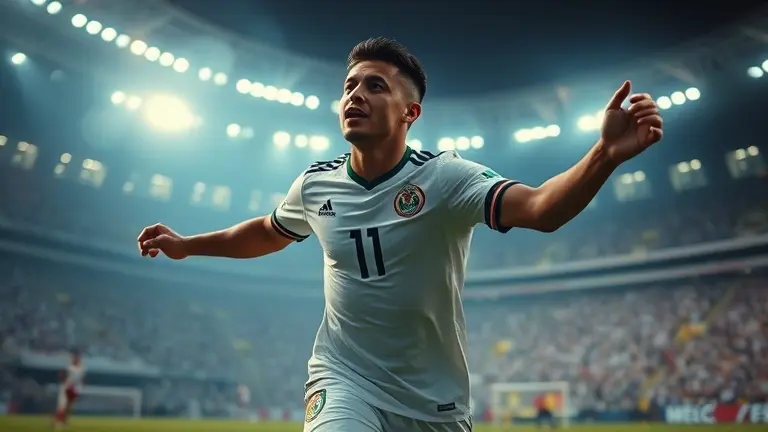
The atmosphere inside the iconic Estadio Azteca on June 30, 2026, was nothing short of electric, as Mexico finally shattered a 40-year curse in the FIFA World Cup knockout stages. With a decisive 2-0 victory against Ecuador, the Mexican national team proved that they are a force to be reckoned with, fueled by the tactical brilliance of their current management and a clinical performance that saw Raúl Jiménez etching his name into the history books. For fans, this match was the culmination of years of anticipation, effectively silencing any lingering confusion from previous tournament encounters, such as the 0-0 stalemate during the 2024 Copa América.
Understanding the gravity of this progression requires more than just catching the highlights; it demands a deep dive into the tactical shifts and the resilience required to thrive on the world’s biggest stage. As the tournament intensity builds, the ability to process complex game analysis and detailed match reporting becomes the hallmark of a true football aficionado. To keep pace with every strategic move and historic development, your cognitive clarity must be as sharp as the team’s finishing in front of the goal.
Mexico’s Historic 2-0 Victory: Ending the 40-Year Knockout Drought

The México vs. Ecuador match held on June 30, 2026, at the iconic Estadio Azteca will be remembered as a watershed moment in national sports history. In a definitive performance that electrified the home crowd, Mexico secured a 2-0 victory, successfully navigating the Round of 32 of the 2026 FIFA World Cup. This triumph was not merely a win; it represented the definitive end of a agonizing 40-year drought for the Mexican national team in knockout-stage matches. By maintaining composure and tactical discipline throughout the 90 minutes, the squad proved that they are a legitimate contender on the world stage.
Clarifying the Results: 2026 vs. 2024
Due to the circulation of outdated information, it is critical to distinguish this monumental victory from previous encounters. Some online sources currently reflect a 0-0 draw, which refers specifically to the 2024 Copa América group stage match. Fans and analysts must note that:
- The 2024 Copa América encounter resulted in a scoreless stalemate, providing no advancement for either team.
- The 2026 World Cup match was a high-stakes knockout tie that ended decisively 2-0 in favor of Mexico.
- The 2026 scoreline confirms Mexico’s advancement to the Round of 16, rendering previous tournament stats irrelevant to the current bracket.
The victory was anchored by standout individual efforts. Raúl Jiménez delivered a clinical performance, netting one of the two crucial goals that sealed the result. Alongside Julián Quiñones, who provided the necessary offensive spark, the team executed a game plan that finally broke the historical “curse” that has plagued the nation in elimination rounds for four decades. This win serves as a powerful testament to the tactical evolution the team has undergone since the 2024 tournament, marking a new era for Mexican football as they advance deeper into the Mexico World Cup bracket.
The Decisive Strikes: Raúl Jiménez and Julián Quiñones Lead the Charge

The méxico – ecuador clash in the 2026 FIFA World Cup Round of 32 will be remembered for the tactical masterclass that finally broke a 40-year knockout stage drought. The decisive 2-0 victory was anchored by the clinical finishing of Raúl Jiménez and the relentless energy of Julián Quiñones, whose synergy dismantled the Ecuadorian defensive structure at the iconic Estadio Azteca. While previous encounters, such as the 2024 Copa América 0-0 draw, highlighted a lack of offensive cohesion, this mexico game served as a testament to the team’s evolution under current management.
Tactical Synergy and Clinical Execution
The breakthrough began with a sophisticated tactical shift that prioritized high-pressing transitions. Raúl Jiménez demonstrated veteran composure, positioning himself perfectly to exploit gaps created by the Ecuadorian backline. His goal was not merely a finish; it was the result of a coordinated movement that pulled the center-backs out of position, allowing him the space to convert.
Supporting this effort, Julián Quiñones served as the primary disruptor. His performance provided the necessary verticality to stretch the game, forcing the Ecuadorian defense to commit to wide areas. Key takeaways from their synergy include:
- Spatial Awareness: Jiménez effectively utilized “false runs” to distract defenders, creating wide lanes for teammates.
- High-Press Intensity: Quiñones spearheaded the defensive transition, recovering possession in the attacking third to sustain pressure.
- Clinical Finishing: The pair maintained a high conversion rate, a significant improvement over the stagnant offensive displays seen in earlier tournament cycles.
This victory in the mexico world cup run underscores a newfound attacking identity. By successfully integrating the veteran leadership of Jiménez with the explosive, direct style of Quiñones, the Mexican national team successfully mitigated the tactical stalemate that has historically plagued their méxico vs. ecuador encounters. As the team progresses, this blueprint of high-intensity coordination will be vital for future knockout challenges.
Beyond the Scoreline: Tactical Analysis of the World Cup Clash

The méxico – ecuador showdown at the 2026 FIFA World Cup showcased a significant evolution in tactical discipline compared to the defensive stalemate seen during the 2024 Copa América. While previous encounters between these nations often resulted in low-scoring affairs, this Round of 32 clash highlighted a refined approach to midfield control and vertical transitions. Under the current coaching staff, the Mexican national team displayed a level of defensive stability that effectively neutralized Ecuador’s pace on the wings, a marked improvement over the disjointed transitions observed in past cycles. By maintaining a high-press structure, Mexico forced critical turnovers in the middle third, allowing them to dictate the tempo of the mexico game from the opening whistle.
Key Tactical Shifts and Performance Highlights
The tactical setup utilized against Ecuador was defined by its fluidity, particularly in the final third. The coaching staff prioritized overloading the central channels, which created the necessary space for Raul Jimenez to operate effectively between the lines. This tactical shift was instrumental in his pivotal goal, as his movement drew defenders away from central areas, allowing for cleaner ball progression. Key analytical observations from this performance include:
- Defensive Compactness: The backline maintained a high defensive line, successfully utilizing offside traps to limit Ecuador’s counter-attacking threats.
- Midfield Engine Room: The double-pivot structure provided robust protection for the central defenders, ensuring that méxico vs. ecuador did not result in the same vulnerability to direct balls that hindered Mexico in previous tournaments.
- Clinical Finishing: Unlike the 0-0 draw in 2024, the team demonstrated clinical composure, with both Julián Quiñones and Jiménez capitalizing on high-percentage scoring opportunities.
This victory is not merely a statistical anomaly but evidence of a maturation in the team’s collective IQ. As the squad progresses in this Mexico World Cup campaign, the ability to transition from defensive recovery to aggressive offensive output remains their most significant tactical asset. By successfully managing the rhythm of the match, the team has effectively silenced critics who questioned their ability to perform in high-pressure knockout scenarios, firmly moving past the historical shadow of their 40-year drought.
Eyes on the Round of 16: What’s Next for Mexico

The emphatic 2-0 victory for México vs. Ecuador at the iconic Estadio Azteca has officially propelled the hosts into the Round of 16, marking a monumental shift in the team’s trajectory. By finally breaking their 40-year knockout-stage drought, the squad has not only silenced critics but has also transformed the atmosphere surrounding the Mexico World Cup campaign into one of genuine optimism. Following the clinical strikes from Raúl Jiménez and Julián Quiñones, the team now carries significant momentum as they prepare to face their next high-stakes challenge in the tournament bracket. Tactical discipline, which was notably absent during the 2024 Copa América encounters, appears to be the cornerstone of this current run, with the coaching staff successfully implementing a more aggressive high-press strategy that effectively stifles international opponents on home turf.
The Path Forward: Preparing for the Next Opponent
As the tournament progresses, the focus for the coaching staff shifts toward recovery and scouting potential adversaries. The Round of 16 presents a new set of tactical variables that require the team to maintain the high intensity witnessed in the mexico game against Ecuador. While the bracket placement remains fluid, the team’s ability to control the pace of play will be paramount. Key takeaways as they advance include:
- Tactical Consistency: Retaining the mid-field structure that allowed Raúl Jiménez to find space against Ecuador will be vital against more defensive-minded teams.
- Home Field Advantage: Utilizing the roaring support of the Mexican crowd at the Azteca to sustain energy levels through the full 90 minutes.
- Depth Management: Ensuring that the bench provides the same quality of play to mitigate fatigue throughout the grueling knockout stages.
Evidence suggests that the current management’s evolution since the 2024 0-0 draw against Ecuador has been fundamental to this success. Fans are rightfully energized, but the team’s ability to remain grounded while navigating the pressure of being a co-host will be the ultimate test of their championship credentials. As they look ahead, the collective performance of the squad remains a testament to the tactical growth defining this historic mexico ecuador postseason run.
Stay Sharp for Every Defining Moment of the Tournament
The 2-0 victory over Ecuador was more than just a score; it was a watershed moment that defined the trajectory of this World Cup campaign. As we look ahead to the next stage of the bracket, the tactical complexities are only going to increase, requiring a heightened level of awareness to truly appreciate the evolution of the squad. Analyzing these shifts is a demanding task that requires unwavering focus, especially when the roar of the crowd can make it difficult to absorb the critical technical details that separate the contenders from the rest.
Following these high-stakes matches and the intricate evolution of the team requires more than just passion; it requires sharp focus and clear cognitive processing. This is where Audifort becomes an essential teammate for every serious fan. By mitigating the mental fog and auditory fatigue that often accompany marathon viewing sessions and intensive sports analysis, Audifort ensures you never miss a beat—from a subtle tactical substitution to the nuance of a game-winning goal.
You deserve to experience the remainder of the 2026 World Cup with total clarity, ensuring that every strategic shift and historical milestone is processed with precision. Don’t let mental exhaustion keep you from fully engaging with the beautiful game during its most important moments. Elevate your tournament experience and ensure you are mentally primed for every second of the action.
 Stay sharp for every minute of the tournament—support your focus and clarity with Audifort today.Boost My Focus and Clarity Now!