

As we approach this year’s Fourth of July weekend, more than 160 million Americans are bracing for a record-breaking heat dome. With forecasters predicting dangerous heat index values between 100 and 125 degrees Fahrenheit across the Midwest and Eastern United States, the holiday celebration is rapidly shifting from a festive outdoor event to an infrastructure and health crisis. This isn’t just standard summer weather; it is an intense atmospheric event that demands rigorous, localized safety protocols to protect you and your loved ones from the perils of extreme thermal stress.
Staying safe goes beyond just finding a cooling center or cranking the AC. When temperatures climb into the triple digits, your body enters a state of high metabolic strain, leading to rapid dehydration, cognitive decline, and that debilitating ‘brain fog’ that makes it harder to recognize the early signs of heat exhaustion. To navigate the week ahead, you need a comprehensive plan that balances your holiday logistics with a serious commitment to internal physiological regulation.
The July 2026 Heat Dome: A Historic Weather Event

As of July 1, 2026, more than 160 million Americans are grappling with a massive, life-threatening heat wave weather pattern that has officially been categorized as a historic heat dome. This meteorological phenomenon occurs when high-pressure atmospheric conditions trap sweltering air over a vast region, preventing cooler air from entering and creating an unrelenting cycle of rising temperatures. As we look at the weather next week, the stagnant air mass is forecast to intensify across the Midwest and Eastern United States, pushing heat index values to dangerous extremes between 100 and 125 degrees Fahrenheit. This level of sustained thermal stress is not merely uncomfortable; it is a severe public health crisis that threatens to make this one of the hottest Independence Day holidays in recorded history.
The Science and Scope of the Crisis
The intensity of this event is compounded by record-breaking humidity levels, which significantly hinder the body’s natural ability to cool itself through perspiration. Experts note that when heat index values consistently exceed 100°F, even healthy individuals face a rapid onset of heat exhaustion and heatstroke. The scale of this heat dome is straining regional infrastructure to its breaking point. Power grids are under immense pressure as residential and commercial demand for HVAC usage spikes, raising concerns about potential rolling blackouts during a peak holiday weekend.
- Geographic Impact: Widespread alerts cover the Midwest and Eastern seaboard, affecting major population centers.
- Infrastructure Risk: High-stakes environmental safety concerns are forcing city officials to deploy emergency cooling centers and water distribution hubs.
- Occupational Hazard: Labor sectors, particularly outdoor workers and those in non-climate-controlled environments like food trucks, are reporting internal workspace temperatures reaching 125°F, highlighting the urgent need for occupational safety adjustments.
This period of extreme weather serves as a critical test for local emergency preparedness as families and communities attempt to balance traditional Fourth of July celebrations with the necessity of rigorous heat mitigation strategies.
Assessing Your Risk: Understanding Heat Indices and Safety Data

Understanding the difference between air temperature and the heat index is critical during the current heat wave weather event. While thermometers measure the ambient air, the heat index—often called the “feels-like” temperature—accounts for relative humidity. When humidity is high, the body’s primary cooling mechanism, evaporation of sweat, is hindered, causing core temperatures to rise rapidly. As the nation tracks weather next week, residents must prioritize the heat index, as values between 100 and 125 degrees Fahrenheit can become life-threatening within minutes of exposure.
Personal Risk Assessment Factors
Your susceptibility to heat-related illness depends on a combination of biological and environmental variables. To assess your personal danger level, consider the following risk multipliers:
- Age-Related Sensitivity: Children under four and adults over 65 have lower physiological capacities to regulate internal temperature.
- Activity Level: Engaging in strenuous physical exertion, such as preparing for Fourth of July festivities or outdoor labor, exponentially increases core heat production.
- Medical Baseline: Individuals with pre-existing conditions—particularly cardiovascular disease, respiratory issues, or those taking medications that affect hydration (e.g., diuretics)—are at significantly higher risk.
- Environment: Urban areas experiencing the “heat island” effect, combined with lack of central air conditioning, elevate the risk of physiological collapse.
Identifying Medical Emergencies
Recognizing the transition from heat exhaustion to heat stroke is a life-saving skill. Heat exhaustion typically presents with heavy sweating, rapid pulse, dizziness, and muscle cramps. If you experience these, move to a cooler area and hydrate immediately. However, heat stroke is a medical emergency that requires calling 911. Warning signs include a high body temperature (above 103°F), skin that has stopped sweating, confusion, loss of consciousness, or seizures. During this record-breaking heat dome, assume that any loss of cognitive function or inability to cool down is an emergency requiring immediate professional intervention. Always check local news for the latest cooling center locations to mitigate these high-stakes risks.
Staying Cool Without HVAC: Infrastructure-Proof Strategies

As the heat wave weather continues to strain power grids across the Midwest and Eastern United States, relying solely on HVAC systems has become a precarious strategy. With weather next week projected to sustain these dangerous levels, homeowners must pivot to passive cooling techniques to maintain safe internal temperatures. The goal is to trap cool air overnight and prevent the “heat dome” effect from infiltrating your living space during peak daylight hours.
Passive Cooling and Window Management
The most effective way to combat extreme temperatures without electricity is through aggressive light management. Keep blinds, curtains, or shades closed on the sun-facing sides of your home throughout the day. If you have access to blackout curtains or reflective window film, these tools can reduce heat gain by up to 45%. Once the sun sets and outside air temperatures drop, utilize cross-ventilation by opening windows on opposite sides of your home to create a natural draft. If the air outside remains hotter than the air inside, keep windows tightly shut to act as a thermal barrier.
Body-Centric Cooling Techniques
When infrastructure is overwhelmed, shift your focus to personal cooling rather than conditioning the entire environment:
- Pulse Point Hydration: Apply cool, damp cloths to your wrists, neck, and temples. These areas have superficial blood vessels that can help lower your core body temperature efficiently when the air is still.
- Fabric Choice: Switch to loose-fitting, natural fibers like linen or cotton, which allow for better airflow and sweat evaporation compared to synthetic materials.
- Establish Cool Zones: Move living activities to the lowest level of your home, such as a basement, as heat naturally rises. Limit the use of heat-generating appliances like ovens, dryers, and incandescent lights, which can exacerbate the internal heat index significantly.
By combining these low-energy interventions, you can better navigate the upcoming holiday period, ensuring your home remains a sanctuary even when modern mechanical cooling faces potential failure.
Safe Fourth of July Celebrations During Extreme Heat
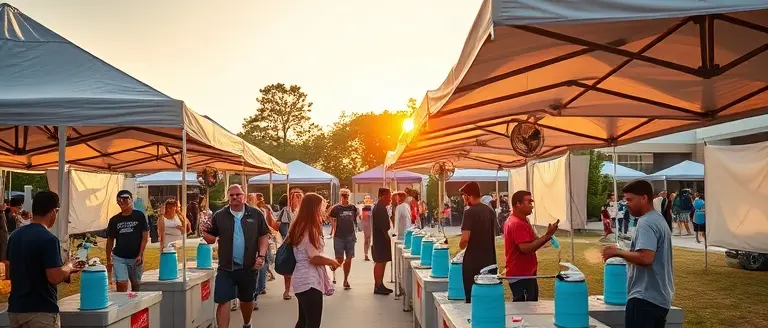
As the heat wave weather persists throughout the weather next week, millions of Americans must adapt their Independence Day traditions to avoid heat-related illness. With heat index values expected to soar between 100 and 125 degrees Fahrenheit, the traditional mid-day backyard barbecue presents a genuine health risk. To maintain safety, experts recommend shifting outdoor festivities to the cooler hours of the day—ideally before 10:00 AM or after 7:00 PM—to avoid the peak intensity of the heat dome phenomenon. If gatherings must occur, prioritizing shade, high-velocity airflow, and constant hydration is non-negotiable.
Essential Safety Protocols for Holiday Gatherings
To ensure a safe holiday, follow these actionable guidelines for your event planning:
- Schedule Shifting: Move high-energy outdoor activities to the early morning. Avoid strenuous exercise or cooking near open flames during the hottest part of the afternoon.
- Pet Protection: Asphalt temperatures can exceed 150 degrees, causing severe burns to pet paws. Keep pets indoors or on grass, and ensure they have access to cool water at all times.
- Hydration Strategy: Provide electrolyte-rich beverages alongside water. Avoid alcohol and excessive caffeine, as these substances can accelerate dehydration.
- Community Wellness Checks: Extreme heat is an invisible hazard. Check on elderly neighbors or those living in older homes without reliable central air conditioning to ensure they remain cool and hydrated.
Utilizing Local Resources and Infrastructure
During this period of intense climate stress, it is vital to be proactive rather than reactive. If your home becomes unsafe due to heat accumulation, immediately locate your nearest government-sanctioned cooling center. Most municipal websites or local news outlets maintain up-to-the-minute lists of these facilities. Remember that heat exhaustion can transition into heat stroke rapidly; if anyone in your group exhibits signs such as confusion, rapid pulse, or lack of sweating, seek medical attention immediately. By prioritizing these safety measures, you can minimize risk while still celebrating responsibly during one of the most dangerous weather events in recent history.
Mastering Your Resilience Amidst the Heat
As the heat wave intensifies, your priority must shift toward proactive environmental and internal management. While you are taking essential steps to secure your cooling systems and adjust your plans, it is equally vital to manage your internal metabolic health to avoid the exhaustion and brain fog that often accompany dangerous, prolonged heat exposure.
This is where Sugar Defender becomes an essential tool in your summer safety arsenal. During extreme heat, your body experiences significant metabolic stress; Sugar Defender provides the necessary support to maintain consistent energy levels and focus, acting as a crucial buffer against the physical stressors of extreme temperatures. By stabilizing your energy, you remain sharp, alert, and capable of making informed safety decisions throughout the Independence Day holiday.
Integrating this metabolic support into your daily routine is the smartest way to stay ahead of the curve. Don’t let the heat compromise your clarity or your health during these critical days. Secure your supply today to ensure you and your family navigate this heat wave with resilience and peace of mind.
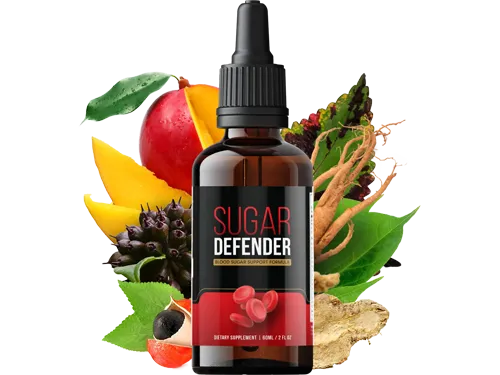 Support your metabolic health and stay sharp through the heat wave by integrating Sugar Defender into your daily summer safety routine.Yes, I Want to Stay Sharp and Protected!