

The grass courts of SW19 have always been the ultimate proving ground, and as the 2026 Wimbledon Championships ignite, all eyes are locked on Tommy Paul. Following a season defined by hard-court tenacity at the Australian Open and a prestigious nod for the Laver Cup, Paul enters London with a target on his back and a refined tactical approach. As he faces Soonwoo Kwon in his opening round, the narrative is no longer just about live scores; it is about witnessing the maturation of a player who has meticulously adapted his game to master the unique, low-bouncing demands of the grass surface.
For the dedicated fan, the excitement lies in the nuance: the subtle shift in his service placement, the aggressive intent behind his returns, and the mental fortitude required to survive the high-stakes pressure of a Grand Slam. While casual observers settle for generic box scores, the true enthusiasts are hunting for deeper insights into his potential to navigate the draw. Understanding how Paul synthesizes his coaching strategy with his current physical form is key to decoding his trajectory throughout this tournament.
Tommy Paul at Wimbledon 2026: Tournament Opening and Current Form
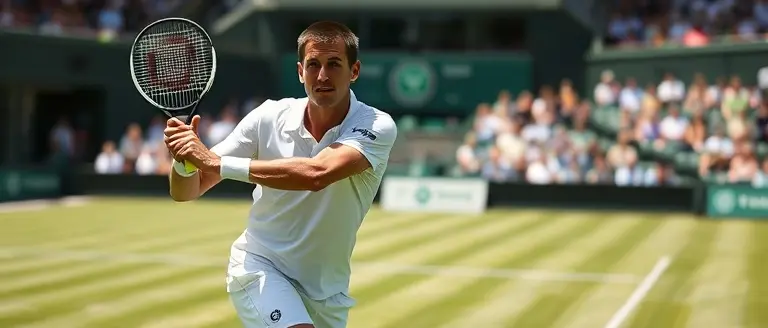
As the 2026 Wimbledon Championships kick into high gear, Tommy Paul enters the grass-court major carrying significant momentum and the weight of heightened expectations. After a rigorous start to the season—highlighted by a physically demanding campaign at the Australian Open 2026—Paul has demonstrated the tactical versatility required to transition from the hard courts of Melbourne to the manicured lawns of the All England Club. His opening match against Soonwoo Kwon serves as a critical litmus test for his current form, with fans and analysts alike watching to see if his high-intensity baseline game can effectively neutralize Kwon’s reactive playing style.
Physical Conditioning and Strategic Evolution
Paul’s trajectory throughout the 2026 ATP season suggests he has refined his conditioning to handle the grueling schedule of the Grand Slam circuit. His ability to maintain consistent energy levels throughout long-duration rallies has been a hallmark of his progression this year. Beyond his individual performance at Wimbledon, his confirmed inclusion in the upcoming Laver Cup roster further underscores his status as a premier American talent.
Key factors influencing his performance at this year’s tournament include:
- Court Surface Adjustment: Paul has focused heavily on lowering his center of gravity to cope with the lower, faster bounce of grass compared to the hard courts he dominated earlier in the year.
- Aggressive Court Positioning: Evidence suggests a shift toward more frequent net approaches, a strategic pivot designed to shorten points and preserve stamina for the second week of the tournament.
- Rankings Trajectory: His current ATP positioning puts him in an ideal spot to capitalize on early-round draws, provided he manages his shot selection against high-mobility opponents like Kwon.
For enthusiasts tracking his progress, the focus remains on his serve-and-volley efficiency and whether his tactical adjustments under his current coaching structure will allow him to surpass his previous career milestones at the Grand Slam level. If he maintains his current trajectory, the path toward the latter stages of the tournament appears increasingly viable.
Tactical Breakdown: Analyzing the Paul vs. Kwon Matchup
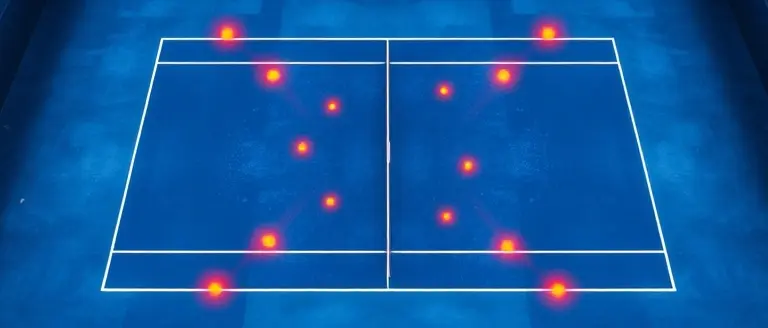
The clash between Tommy Paul and Soonwoo Kwon at the 2026 Wimbledon Championships presents a compelling contrast in tennis philosophies. Paul enters this match-up as a player who has significantly evolved since his deep runs at the Australian Open, leaning heavily into an aggressive baseline game that prioritizes court positioning. His ability to dictate rallies using a heavy, inside-out forehand is his primary weapon. On the grass surface, which demands lower ball bounces and quicker decision-making, Paul’s tactical challenge will be to shorten points before the tactical resilience of Kwon can disrupt his rhythm.
Strategic Advantages and Court Adaptation
Kwon is well-regarded for his defensive elasticity and a deceptively flat backhand that can penetrate through the surface. While Paul possesses superior movement speed and explosive power, he must guard against over-hitting in the humid London conditions. Evidence from his 2026 ATP season suggests that Paul is becoming more comfortable with net transitions—a crucial adjustment for surviving on grass. To dismantle Kwon, Paul will likely look to:
- Attack the Second Serve: Capitalizing on shorter, slower deliveries to establish immediate dominance.
- Utilize the Slice: Bringing the ball down low to force Kwon to lift his shots, preventing the South Korean from finding his preferred strike zone.
- Maintain Vertical Aggression: Forcing the issue by moving forward, limiting Kwon’s time to retrieve balls from deep behind the baseline.
Ultimately, the match hinges on whether Tommy Paul can maintain his consistency while applying scoreboard pressure. If he successfully converts his transition game from the hard courts to this grass-court environment, his ability to dictate play should outweigh Kwon’s defensive grit. Analysts expect Paul to lean on his improved serve placement to secure free points, ensuring he avoids getting caught in the grueling, neutral rallies that Kwon favors. This match serves as a litmus test for Paul’s maturity as a top-tier contender as he navigates the high-pressure environment of a Grand Slam.
Betting Intelligence and Performance Trajectory

As Tommy Paul enters the 2026 Wimbledon Championships, bettors and analysts are closely scrutinizing his transition from the hard-court intensity seen at the Australian Open to the unique demands of grass-court tennis. While his hard-court metrics remain elite, his current trajectory suggests a refined tactical approach specifically tailored to the low-bounce environment at the All England Club. For those analyzing betting value, it is critical to look beyond the win-loss record and focus on his efficiency in high-leverage moments. Paul’s ability to navigate the second week of a Grand Slam now rests heavily on his first-serve percentage and his capacity to maintain aggression on return games against baseline-heavy opponents like Soonwoo Kwon.
Statistical Markers for Deep Tournament Runs
To gauge Paul’s potential for a deep run, observers should monitor specific performance metrics that often dictate success on grass:
- Break-Point Conversion Rates: Paul has historically struggled with converting opportunities against top-tier servers. A conversion rate exceeding 40% will be the primary indicator that he is ready to contend for the title.
- Net Approach Efficiency: Grass-court tennis rewards proactive movement. Watch for his success rate on approach shots; if he stays pinned to the baseline, his defensive capabilities may be tested by aggressive net players.
- Hold Percentage: Sustaining a hold percentage above 85% is essential for Paul to remain competitive against the ATP’s heavy hitters. Any drop in service reliability early in the tournament could signal fatigue from his grueling schedule.
Evidence suggests that Paul’s inclusion in the Laver Cup roster has sharpened his match fitness and tactical discipline. While current betting lines position him as a strong favorite against early-round opponents, his path to the second week depends on his ability to shorten points. If he can leverage his improved service placement to dictate rallies, his odds of advancing deep into the tournament significantly improve. Fans and bettors should treat early matches as a “weather test” for his backhand slice—a shot that will ultimately define his ceiling on the Wimbledon grass.
What to Watch: Key Indicators for a Deep Wimbledon Run

As Tommy Paul takes the court at the 2026 Wimbledon Championships, tennis analysts are looking beyond simple match outcomes to gauge his viability for a deep tournament run. Transitioning from the high-speed hard courts seen at the Australian Open to the nuanced, lower-bouncing surface of grass requires a significant recalibration of technical fundamentals. For fans tracking his performance against opponents like Soonwoo Kwon, monitoring specific, data-driven metrics provides the best predictive insight into whether Paul can maintain the form that secured his selection for the Laver Cup team.
Tactical Metrics for Success
To determine if Paul is poised for a career-best performance in London, keep a close eye on these three technical pillars:
- Serve Velocity Consistency: On grass, the first serve is the primary weapon for maintaining quick, dominant service games. Look for stability in his second-serve percentage; a drop-off here often forces him into extended baseline rallies where the surface favors more defensive specialists.
- Net-Approach Efficiency: Tommy Paul has significantly improved his ability to shorten points through aggressive net play. His ability to finish points at the net—especially after a wide, angled serve—is the leading indicator of his comfort level on the lawn.
- Late-Match Court Coverage: Stamina is critical in a two-week Grand Slam format. Observe his movement in the third and fourth sets. If he maintains lateral quickness and explosive closing speed as a match wears on, it confirms his physical conditioning is peak-ready for the intensity of the upcoming autumn schedule.
These physical and technical indicators serve as a roadmap for his potential success. If he successfully balances his defensive baseline resilience with these measured, proactive net interventions, evidence suggests he will be a formidable obstacle for even the top seeds. Sustaining this level of play is not just about advancing at Wimbledon; it is the fundamental prerequisite for carrying momentum into his high-profile Laver Cup campaign later this season.
Mastering the Mental Game of Tennis
As we track Tommy Paul’s performance through the grueling rounds of Wimbledon, it becomes clear that success at this level is won as much in the mind as it is on the court. Much like Paul must maintain absolute, razor-sharp focus to execute precise shots under immense pressure, fans analyzing his tactical shifts and match statistics require a similar level of cognitive clarity. Distinguishing between a player’s routine errors and calculated risks demands a high degree of mental sharpness that is often tested by the sheer volume of tournament data.
This is where your viewing experience can transcend passive observation. Just as elite athletes utilize specialized training to hone their focus, you can sharpen your analytical edge to navigate the complex nuances of professional tennis. By integrating a dedicated mental conditioning routine into your daily schedule, you position yourself to digest tactical data and match developments with the speed and precision of a professional scout.
The Brain Song offers the unique mental training you need to enhance your cognitive capacity, ensuring you never miss a beat of the tactical brilliance occurring on the grass. Don’t just watch the match; analyze it with the precision of the pros.  Unlock your peak cognitive performance to track the Wimbledon tournament with the precision of a professional scout; start your 12-minute daily mental conditioning routine here. Sharpen My Focus Now!