
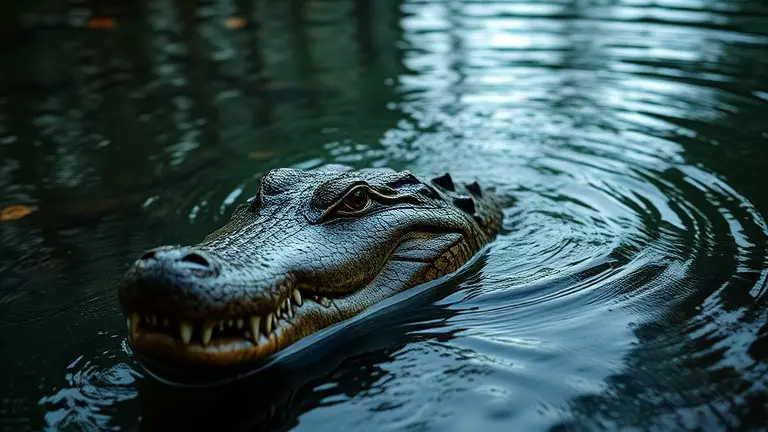
The tragic loss of life at the Econlockhatchee River on June 28, 2026, has sent shockwaves through the Oviedo community and beyond, turning the Barr Street Trailhead into a site of profound grief and national concern. As summer temperatures peak and recreational activity in our freshwater basins reaches its height, this event forces a difficult but necessary conversation about the reality of sharing space with one of nature’s most effective apex predators. While headlines often prioritize the shock of such an encounter, the true path forward lies in understanding the complex behavioral patterns of alligators in the Little Econ area and recognizing that the river is a wild, dynamic ecosystem, not a controlled swimming pool.
Moving beyond the headlines is essential for public safety. True prevention requires an honest look at local wildlife density and the implementation of science-backed protocols for navigating ‘wild’ Florida. It is time to shift our focus toward educational outreach and proactive infrastructure, ensuring that residents and visitors are equipped with the knowledge—and the physical boundaries—necessary to avoid high-risk interactions. This guide seeks to demystify alligator movement in the basin and establish a framework for a safer future along our beloved, yet demanding, waterways.
Incident Overview: The June 2026 Econlockhatchee River Tragedy
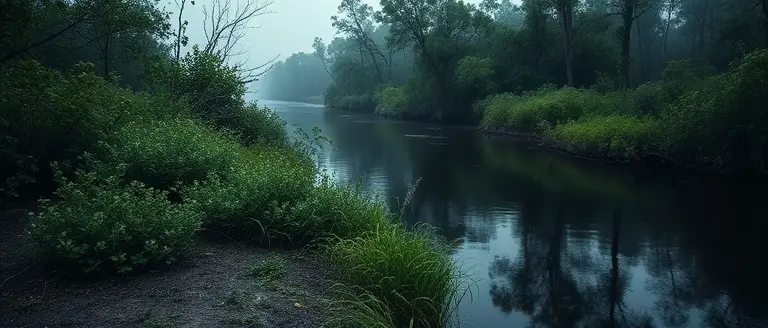
On June 28, 2026, a tragic incident occurred along the Econlockhatchee River, a vital waterway in Central Florida, resulting in the death of a 31-year-old woman. The attack took place near the popular Barr Street Trailhead in Oviedo, Florida, during a period of high recreational use. The victim was reportedly swimming in the river with a group of friends when the encounter occurred, serving as a somber reminder of the inherent risks associated with Florida’s freshwater ecosystems during the peak of summer.
FWC Investigation and Wildlife Response
Following the report of the attack, the Florida Fish and Wildlife Conservation Commission (FWC) initiated an immediate investigation to secure the area and identify the animals responsible. In the days following the tragedy, wildlife officials confirmed the successful capture and removal of two alligators in the immediate vicinity of the Barr Street Trailhead. The FWC has emphasized that this incident remains under active review to determine the specific environmental factors that may have influenced alligator behavior in this stretch of the river.
Key Factors in the Incident
The incident highlights critical safety considerations for those utilizing the Little Econ for recreation. Several factors identified by authorities include:
- Environmental Timing: The tragedy occurred in late June, a timeframe when both alligator activity and human water-based recreation are at their seasonal zenith in Florida.
- Habitat Presence: The Econlockhatchee River basin is a natural, active habitat for American alligators, necessitating a high degree of situational awareness.
- Ongoing Monitoring: The removal of multiple specimens by the FWC underscores the importance of public compliance with local posted warnings and safety signage near identified wildlife corridors.
While the investigation continues, this event serves as a call for increased public vigilance and a deeper understanding of the coexistence between human recreational interests and native apex predators in Florida’s wild spaces.
Alligator Population Density in the Little Econ Area
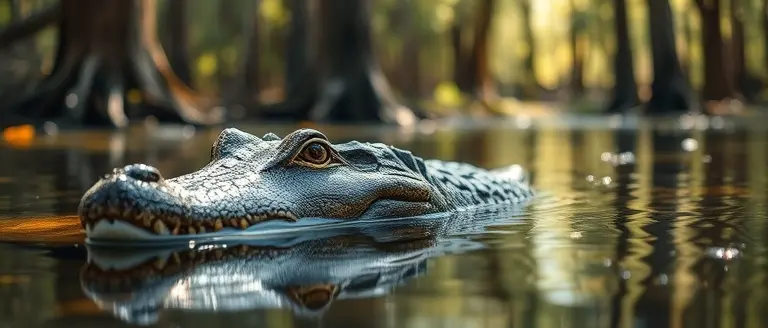
The Econlockhatchee River, particularly the “Little Econ” segment winding through the suburban landscape of Oviedo, maintains a robust and naturally occurring population of American alligators. Wildlife experts emphasize that while precise census counts for every mile of the river are difficult to verify, the basin’s dense vegetation, slow-moving tea-colored waters, and abundant prey sources create an ideal habitat. Because the river flows through both protected conservation lands and residential corridors, the interface between humans and alligators is inevitable, particularly during the summer months when environmental triggers heighten animal activity.
Factors Driving Seasonal Alligator Activity
Several biological and environmental variables influence why encounters, such as the recent tragedy near the Barr Street Trailhead, are more frequent during late June. Understanding these cycles is critical for residents and recreationists:
- Nesting and Territoriality: Summer coincides with the peak of the alligator breeding season. During this time, males become significantly more mobile and aggressive as they patrol territories, while females remain highly protective of nesting sites.
- Metabolic Response to Heat: As cold-blooded ectotherms, alligators reach peak metabolic efficiency in warm water. Higher ambient temperatures in the Little Econ during the summer increase their energy requirements, leading to more frequent hunting and foraging behavior.
- Foraging Patterns: During peak summer months, younger or displaced alligators may move into shallower water segments to hunt, placing them in direct proximity to areas where humans often wade or swim.
Wildlife biologists note that population density in the Econlockhatchee River is not static. Alligators frequently move between the river’s main channel, stagnant oxbows, and surrounding wetlands depending on water levels. Following significant rain events, which are common in Central Florida summers, water levels can rise rapidly, allowing alligators to traverse areas that were previously inaccessible, further increasing the risk of unexpected encounters in popular recreational zones.
Mapping Safety: High-Risk vs. Recreational Zones
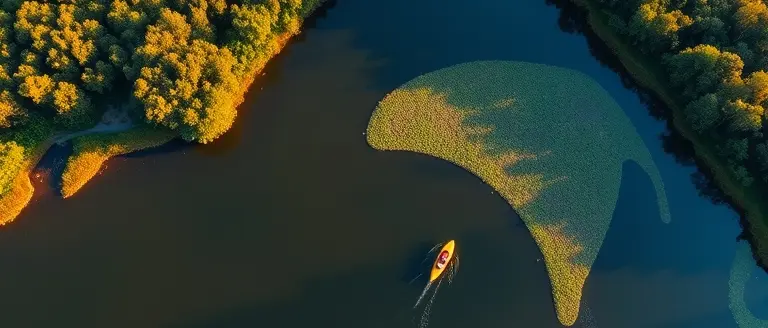
Understanding the geographic dynamics of the Econlockhatchee River is essential for any visitor, as the waterway transitions between manicured recreational hubs and raw, undisturbed ecosystems. While portions of the river near maintained trailheads—like the Barr Street Trailhead in Oviedo—may appear inviting during the humid summer months, these areas often serve as natural transition zones for wildlife moving through the basin. Recreational users, particularly those engaged in paddle sports, must differentiate between designated transit corridors and high-risk wildlife habitats that are not suitable for swimming or wading.
Identifying High-Risk Indicators
To maintain personal safety, recreators should adopt a proactive mindset when assessing any entry point along the Little Econ. Alligators are cold-blooded reptiles that prioritize areas offering cover, thermal regulation, and high prey availability. Experts suggest treating the following conditions as markers of a high-risk environment:
- Murky or Stagnant Water: Low visibility prevents swimmers from seeing what lies beneath the surface, while stagnant pools often act as cooling stations for large reptiles.
- Dense Riparian Vegetation: Overhanging banks and heavy brush provide the perfect camouflage for alligators to ambush prey or guard nesting sites.
- Proximity to Nesting Grounds: During peak summer, female alligators are highly protective of their nests, which are often found in marshy, secluded banks adjacent to the main river channel.
- Presence of Wildlife Trails: Observe the banks for “slides”—smooth, mud-worn paths leading into the water—which indicate active alligator travel routes.
When navigating the Econlockhatchee River, it is safer to prioritize elevated activities, such as kayaking or canoeing, where your body remains entirely out of the water. Avoid swimming in areas where the bank visibility is obscured. By respecting these boundaries and staying cognizant of the surrounding habitat, users can better coexist with the diverse, and sometimes dangerous, wildlife inherent to Florida’s freshwater systems.
Essential Safety Guide for Florida Freshwater Recreation
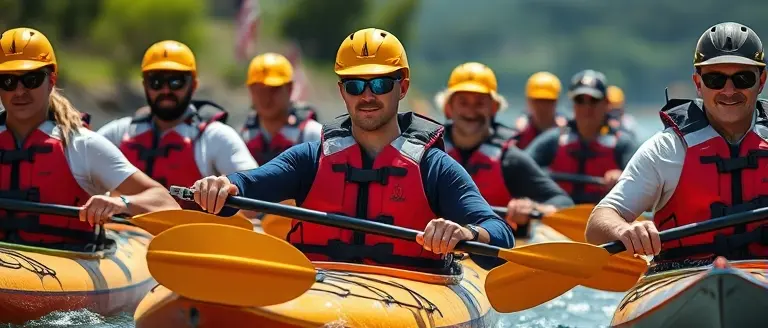
Recreating in Florida’s natural waterways, such as the Econlockhatchee River, requires a heightened sense of situational awareness. While these ecosystems offer unparalleled beauty, they are primary habitats for the American alligator. To ensure your safety when exploring freshwater systems, it is vital to treat every body of water as potentially occupied by predators. Scientific observations indicate that alligators are most active during crepuscular periods—specifically dawn and dusk—when they frequently hunt. Consequently, swimming or wading during these hours is strictly discouraged. Experts recommend maintaining a significant distance from the water’s edge, as alligators are ambush predators capable of rapid bursts of speed on land.
Best Practices for Wildlife Safety
To minimize the risk of negative human-wildlife encounters, residents and visitors should adhere to the following evidence-based safety protocols:
- Avoid Swimming in Unmarked Areas: Stick to designated swimming zones where water clarity and traffic discourage alligator presence. Avoid murky, slow-moving, or heavily vegetated banks where predators may hide.
- Pet Safety: Always keep pets on a leash at least 10 feet away from the water. Alligators are naturally attracted to the erratic movements of small animals, which can mimic the behavior of their natural prey.
- Never Feed Wildlife: The illegal act of feeding alligators leads to habituation. Once an alligator associates humans with food, they lose their natural fear, significantly increasing the probability of an aggressive encounter.
- Maintain Vigilance: Always monitor your surroundings. Do not assume that the absence of a visible alligator means the water is safe. If you see an alligator, give it plenty of space and exit the water calmly and immediately.
Understanding that the Econlockhatchee River and similar tributaries are wild environments is the first step toward responsible recreation. By following these proactive measures, you can enjoy the natural splendor of the Florida freshwater landscape while mitigating the inherent risks associated with living in proximity to apex predators. Remember that public safety is a collective responsibility; report any nuisance alligators to the Florida Fish and Wildlife Conservation Commission (FWC) to prevent potential incidents before they occur.
Taking Community Action for River Safety
The tragedy at the Econlockhatchee River serves as a stark reminder that our relationship with Florida’s wild waterways requires a shift from passive observation to active, informed stewardship. By understanding alligator behavior and respecting the natural boundaries of these ecosystems, we can coexist more safely. However, awareness is only the first line of defense; physical infrastructure is essential to ensuring that clear, persistent warnings and protected viewing areas are a reality for all who visit our local trails.
While official agencies handle investigations, proactive community members are stepping up to build durable, visible safety signage and restricted-access barriers near high-risk trailheads. This is where you can make a tangible difference. By utilizing professional-grade woodworking plans, local volunteers can construct long-lasting safety markers and elevated platforms that withstand the harsh Florida climate, effectively keeping families away from hazardous water banks.
Ted’s Woodworking provides the comprehensive, workshop-tested blueprints you need to transition from feeling concerned to actively securing your local environment. These architectural plans give you the power to build the robust infrastructure necessary to protect your community. Transform your concern into a lasting safety solution that secures our trails for everyone.
 Download these professional woodworking plans today to start building durable, clear safety markers for your local river access points.Secure My Community Today!