
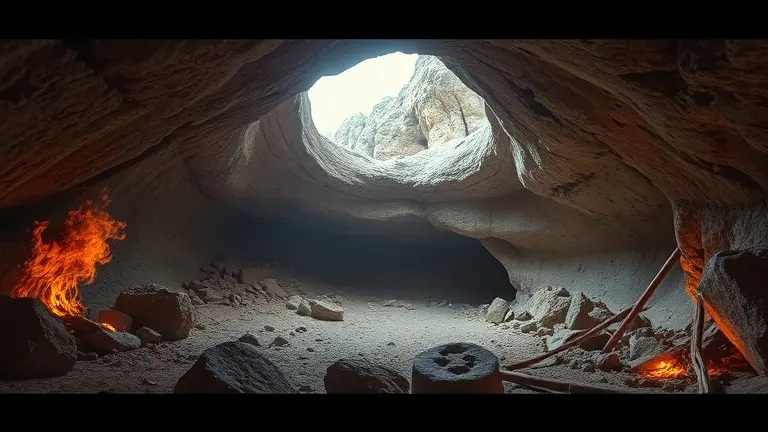
In the digital age, a simple search for an israel cave often leads to a tangled web of sensationalized clickbait and unverified social media myths. From exaggerated claims about hidden tunnels in Jerusalem to recycled headlines about ancient hominid fossils, the boundary between legitimate archaeological discovery and internet fiction has become dangerously blurred. While legitimate sites like the Soreq Cave or the Qumran caves offer profound insights into our shared history, they are frequently overshadowed by low-quality, algorithmic content that prioritizes viral engagement over scientific accuracy.
As enthusiasts of history and discovery, it is time to shift our focus from these digital distortions to the reality of structural integrity and scientific rigor. Understanding how the ancients carved these chambers requires more than just curiosity; it demands an appreciation for the precision, geometry, and craftsmanship that sustained these structures for millennia. By debunking the myths, we clear the path to a more grounded, analytical understanding of human ingenuity—a mindset that applies just as much to modern-day construction as it does to the caves of the Levant.
Separating Fact from Fiction: Addressing Viral Claims About Caves in Israel
In recent weeks, social media platforms have seen a resurgence of sensationalized content regarding an israel cave, often presented as “breaking news” or mysterious discoveries. It is important for readers to understand that as of June 2026, there are no legitimate, mainstream archaeological announcements concerning new, previously unknown, or anomalous tunnel networks in Israel. Many of these viral posts rely on re-circulating decade-old scientific findings—such as early human fossils found in the Misliya Cave—or completely unrelated imagery, stripping them of their historical context to generate engagement through clickbait tactics.
Distinguishing Genuine Archaeology from Misinformation
Scientific advancement in the Levant is a rigorous, peer-reviewed process. Genuine discoveries, such as those related to the Qumran caves or the geological wonder of the Soreq Cave, are documented by the Israel Antiquities Authority (IAA) and major international research institutions. When evaluating online claims about an israel cave, consider the following indicators of misinformation:
- Lack of Attribution: If a post mentions a “hidden structure” or “secret tunnel” without citing a reputable academic journal or an official archaeological press release, it is likely speculative or fictional.
- Contextual Misuse: Much of the trending content uses imagery from well-known, historically documented sites and reframes them as “recently discovered” to exploit algorithmic curiosity.
- Absence of Peer Review: Extraordinary claims about human history or hidden subterranean networks require physical evidence verified by field archaeologists, not just social media commentary.
Rather than falling for viral sensationalism, we encourage readers to rely on verifiable reports from established institutions. True archaeological progress in Israel is centered on the meticulous preservation and study of established sites, providing profound insights into human migration and ancient civilizations, rather than the “mystery-box” narratives frequently shared across digital platforms. Always verify the source date and the primary organization involved before accepting these claims as current events.
The Science of Misliya Cave: Human Evolution Beyond Africa
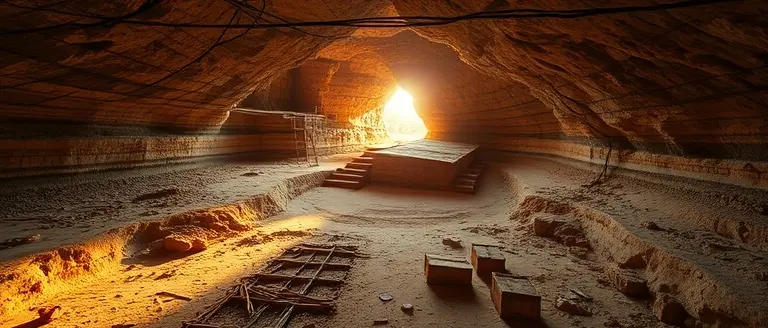
The Misliya Cave, located on the western slopes of Mount Carmel, represents one of the most critical archaeological sites for understanding the migration patterns of early humans. While viral social media content often treats findings from this location as breaking news, the scientific consensus surrounding the site was established years ago, confirming its status as a cornerstone of paleoanthropology. The discovery of a partial human jawbone, known as Misliya-1, fundamentally shifted the timeline of when Homo sapiens first ventured out of Africa.
Evidence for Early Migration
Research published in peer-reviewed journals dates the fossil to approximately 177,000 to 194,000 years ago. This evidence suggests that modern humans were present in the Levant significantly earlier than previously theorized. Before this discovery, the prevailing academic belief held that successful migration from Africa occurred roughly 90,000 to 120,000 years ago. The Misliya Cave findings provide crucial data points that refine our understanding of human dispersal:
- Anatomical Accuracy: Detailed analysis of the Misliya-1 maxillary bone displays diagnostic features clearly identifying the specimen as Homo sapiens, distinct from Neanderthals.
- Technological Sophistication: Archaeological excavations within the cave revealed the use of Levallois tool-making technology, a complex method associated with the Middle Paleolithic period.
- Environmental Context: Findings indicate that early humans at this site utilized diverse natural resources, suggesting highly adaptive survival strategies.
By examining the stratigraphy and associated faunal remains, researchers have effectively debunked myths suggesting more recent or mysterious origins for the site. The Misliya Cave remains a strictly scientific site, providing tangible evidence of ancient human resilience rather than the sensationalized claims often circulated on digital platforms. Understanding these findings requires looking past clickbait to the foundational data that shapes our current view of human evolutionary history.
Understanding Jerusalem’s Subterranean Reality: Tunnels vs. Myths
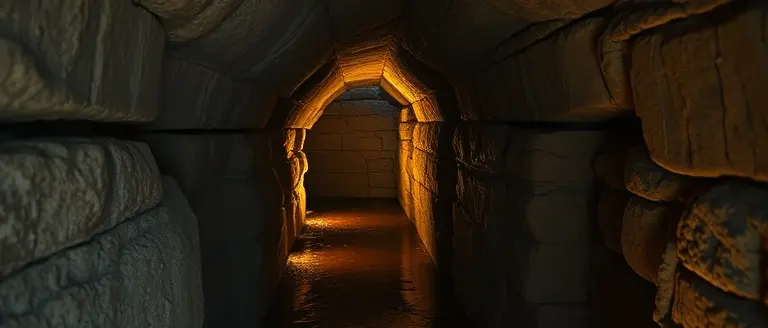
In recent social media discourse, sensationalized claims regarding a hidden “israel cave” network beneath Jerusalem have frequently surfaced, often blurring the lines between verified archaeology and pure fabrication. It is essential for researchers and enthusiasts to distinguish between legitimate subterranean infrastructure and the viral misinformation that circulates on platforms like Facebook. Authentic discoveries in this region are meticulously documented by the Israel Antiquities Authority (IAA), which serves as the primary scientific body for verifying historical sites. Unlike the rumors found in clickbait posts, real subterranean projects undergo rigorous peer review and are published through official academic channels.
Genuine Archaeology vs. Speculation
Jerusalem sits atop thousands of years of human habitation, resulting in a complex, multi-layered archaeological record. Actual subterranean sites, such as the Siloam Tunnel (Hezekiah’s Tunnel), provide tangible evidence of ancient engineering. These sites are mapped using advanced surveying technology, and their histories are well-understood by professionals. When navigating the truth about an “israel cave” or tunnel system, consider the following markers of authenticity:
- Official Documentation: Reliable findings are always accompanied by excavation reports from the IAA or accredited university programs.
- Geological Context: Genuine caves in the region are often karst formations, while human-made tunnels are typically associated with water management, fortifications, or burial rites.
- Peer-Reviewed Validation: If a discovery is legitimate, it will be covered by reputable scientific outlets rather than anonymous social media accounts.
Misinformation often thrives on the lack of public access to restricted areas. However, historical underground spaces are not vast, mysterious labyrinths waiting for rediscovery; they are sensitive environments that require stabilization and conservation. By prioritizing official data from the IAA and academic databases, you can avoid the traps of sensationalism and better appreciate the genuine, breathtaking history of the region’s subterranean landscape.
How to Verify Archaeological News in the Digital Age
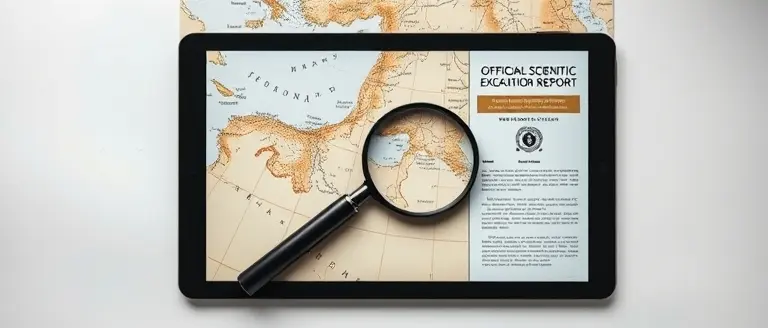
In an era where viral social media posts often recycle decades-old discoveries as “breaking news,” discerning the validity of an israel cave headline requires a disciplined approach to information literacy. Algorithms frequently prioritize engagement over accuracy, leading to the proliferation of clickbait that strips archaeological findings of their scientific context. To avoid falling victim to misinformation, readers should cross-reference viral claims against primary, institutional sources. Genuine breakthroughs regarding an archaeological site are almost always accompanied by press releases from recognized government bodies, such as the Israel Antiquities Authority (IAA), or published reports in peer-reviewed journals. If a “new” discovery is not mentioned on the official IAA portal or by established international news agencies, it is highly likely that the content is either outdated, exaggerated, or completely fabricated.
Essential Tools for Archaeological Fact-Checking
Navigating the digital landscape regarding historical findings demands an understanding of how to filter out “tag-spam” and irrelevant real estate listings. When evaluating a claim, consider the following checklist to ensure you are engaging with credible evidence:
- Consult Official Portals: Always verify if the Israel Antiquities Authority has issued a statement. They are the authoritative body for all excavations in the region.
- Identify the Source: Trace the origin of the post. Is it a peer-reviewed publication or a social media account that profits from sensationalized, “nostalgia-bait” content?
- Contextualize Dates: Be wary of posts that lack a timestamp or reference a discovery without providing the original year of excavation. Many viral posts concerning the Misliya Cave or the Qumran caves are re-shared without clarifying that these findings occurred years—or decades—ago.
- Beware of Algorithmic Noise: Recognize that hashtags can be manipulated. Platforms often group unrelated content, such as real estate listings in Virginia or elsewhere, with legitimate archaeological keywords; always verify the geographic and academic context of the subject matter.
By prioritizing scientific institutions over social media feeds, you can effectively distinguish between legitimate historical updates and the cycle of misinformation that currently plagues the search term israel cave. Relying on primary research ensures that your understanding of history remains rooted in factual, peer-reviewed discovery rather than digital hearsay.
Building with Precision and Purpose
True discovery, whether excavating an ancient site or constructing a masterpiece in your own workshop, relies on the same fundamental principles: accuracy, patience, and verified data. Just as archaeologists must discard speculation in favor of proven methodologies to map the physical reality of a cave, successful creators must abandon the guesswork of unverified online tutorials. The frustration of trial-and-error often stems from a lack of reliable guidance, which is exactly why shifting from passive, misleading consumption to active, skill-based development is the most rewarding pivot you can make.
This is where precision meets reality. To achieve professional-grade results, you need a foundation built on proven metrics rather than hearsay. Our recommended library serves as the ultimate resource for those who value structural integrity and technical excellence. By mastering the fundamentals through expert-tested designs, you bridge the gap between amateur attempts and true craftsmanship, ensuring that every project you undertake stands the test of time, just like the architectural marvels we study in the field.
Stop relying on the digital clutter and start building with the certainty that comes from professional-grade blueprints. Elevate your craft, eliminate guesswork, and bring your vision to life with complete technical confidence.
 Stop guessing and start building with precision: access the complete library of over 16,000 professional-tested woodworking plans today.Transform My Projects Today!