
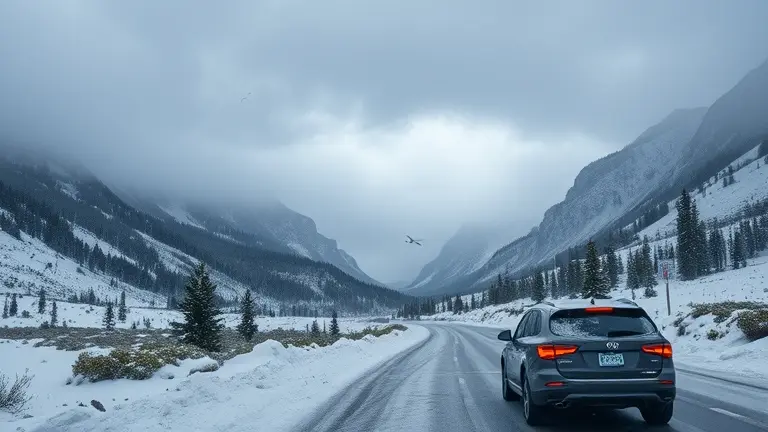
As the United States swelters in the anticipation of early July heat waves, a striking and rare weather paradox has emerged in the Rocky Mountains. Regions of Montana, Idaho, and Wyoming are currently under urgent winter storm warnings, with forecasts predicting several inches to over two feet of snow in high-altitude passes. This abrupt shift from typical summer warmth to a full-blown Arctic surge creates a unique challenge for travelers heading into the high country for the upcoming holiday weekend.
For those planning to traverse these mountain regions, the sudden contrast between extreme heat and freezing temperatures is more than a mere travel inconvenience; it is a signal to recalibrate your safety expectations. Whether you are navigating mountain passes or adjusting to rapid elevation shifts, understanding how to handle these unseasonable conditions is vital. In this guide, we cut through the sensationalist weather headlines to provide the practical, localized advice you need to stay safe, warm, and healthy during this unexpected summer winter storm.
The June Paradox: Understanding the Unseasonal Rocky Mountain Winter Storm
In the final days of June 2026, the United States is witnessing a sharp meteorological divide. While the Midwest and East Coast contend with severe early-summer heat waves, the higher elevations of Montana, Idaho, and Wyoming are grappling with an intense, unseasonal winter storm. This rare event is the result of a powerful Arctic air mass plunging southward, colliding with the high-altitude topography of the Rocky Mountains. Meteorologists note that while late-season snow is not entirely unprecedented at extreme altitudes, a winter storm warning of this magnitude occurring so close to July 4th is statistically significant, threatening to drop between 8 and 24 inches of snow—with some peak zones potentially seeing up to 3 feet—in areas typically reserved for summer hiking.
Why This Weather Anomaly Matters
The contrast between the freezing temperatures in the Rockies and the scorching heat gripping much of the US creates a jarring climate paradox. This system has triggered a high elevation summer snowfall warning for mountain passes, disrupting travel plans for thousands heading into the holiday weekend. Understanding this shift is essential for safety, as conditions in the high country above 3,000–6,500 feet have moved from mild summer weather to mid-winter hazards in a matter of hours.
- Atmospheric Instability: The rapid intrusion of Arctic air creates a stark temperature gradient, fueling rapid accumulation rates.
- Regional Impact: Travelers in Idaho, Montana, and Wyoming should treat this winter storm warning weather with the same caution they would during a January blizzard.
- Holiday Travel Risks: Mountain passes that were clear days ago may now be impassable or prone to slick, icy conditions that catch summer-prepared vehicles off guard.
As data indicates that this winter storm pattern is moving aggressively through the region, authorities are urging tourists to monitor localized mountain weather reports. By recognizing this climate anomaly as a temporary but high-risk event, visitors can prioritize safety by adjusting travel routes and ensuring their vehicles are equipped for freezing, snowy conditions even while the rest of the country remains in the heat of mid-summer.
Holiday Traveler’s Guide: Mapping Affected Mountain Passes
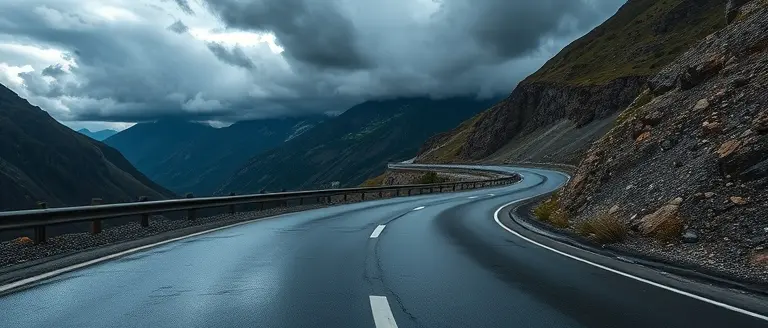
As the July 4th holiday weekend approaches, travelers heading toward the Rockies must navigate a rare climate paradox. While much of the United States faces extreme heat, a winter storm warning remains in effect for high-elevation corridors in Montana, Idaho, and Wyoming. Meteorologists emphasize that this unseasonal surge of Arctic air is poised to drop significant accumulations, with some high-altitude zones above 6,500 feet expecting 2–3 feet of snow. For motorists, this creates a volatile environment where conditions can shift from mild summer temperatures to freezing, blizzard-like visibility within mere miles of travel.
Essential Safety Protocols for Mountain Travel
Road safety remains the top priority during this period of extreme weather volatility. Because this winter storm warning weather event is highly localized, travelers must avoid relying solely on standard GPS navigation, which may not account for sudden road closures due to drifting snow or ice. To ensure a safe journey, follow these localized precautions:
- Check Real-Time DOT Alerts: Before departing, visit the official Department of Transportation (DOT) websites for Montana, Idaho, and Wyoming. These portals provide the most accurate updates on road closures and chain requirements.
- Monitor Elevation Changes: Be aware that the high elevation summer snowfall warning specifically targets mountain passes. Even if your departure point is dry, higher-altitude stretches may be impassable.
- Prepare for Rapid Temperature Drops: Ensure your vehicle is equipped with emergency supplies, including blankets, extra water, and a charged mobile device, as mountain cell service can be intermittent during severe weather.
- Adjust Travel Windows: If possible, schedule your crossing during mid-day hours when solar radiation is highest to minimize the risk of black ice.
These conditions demonstrate how quickly climate patterns can deviate from seasonal norms. If you are traversing the Rockies, prioritize safety over schedule. If a mountain pass is under an active warning, consider alternative, lower-elevation routes or postpone travel until the system dissipates, as heavy snow accumulation on mountain passes frequently leads to temporary closures to facilitate emergency snow removal efforts.
The ‘Summer-to-Winter’ Packing Checklist for High Altitudes
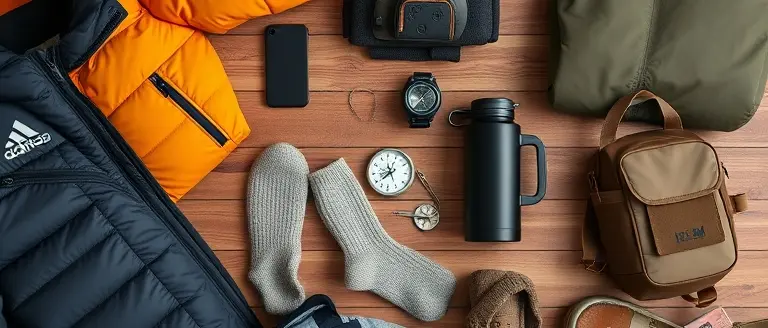
When traveling through the Rocky Mountain region during a winter storm warning, the transition from summer heat to near-freezing temperatures happens rapidly. Successfully navigating this climate paradox requires a disciplined approach to gear. Travelers moving between lower elevations and high-altitude passes must adopt a professional layering system to manage temperatures that can swing from 60°F to below freezing in a matter of hours.
Essential Layering and Safety Gear
To remain safe during a high elevation summer snowfall warning, your vehicle and personal kit should prioritize moisture-wicking and heat retention. Start with a synthetic or merino wool base layer rather than cotton, which loses its insulating properties when damp.
- Thermal Base Layers: Always pack long underwear and thick wool socks to prevent hypothermia during unexpected stalls.
- Insulated Outer Shells: A high-quality, windproof, and waterproof jacket is mandatory, as high-altitude winds during a winter storm can significantly lower the wind chill.
- Emergency Kit: Stow emergency blankets, high-calorie snacks, and at least one gallon of extra water per person.
- Tire Management: If you are traversing high-altitude passes, verify if your rental or personal vehicle requires tire chains. Many mountain passes implement temporary restrictions when a winter storm warning weather event is in effect.
Vehicle Preparedness for Unseasonable Cold
Beyond personal clothing, your vehicle requires specific attention to handle sudden winter-like conditions. Even in late June, road surfaces can ice over quickly as temperatures drop. Ensure your tires have sufficient tread depth for slushy conditions and keep your fuel tank at least half-full to prevent fuel line issues. By following these preparations, you can safely traverse the Rockies despite the volatility of the current climate cycle. Always check the latest local conditions before beginning your ascent into high-altitude zones.
Maintaining Safety During Unpredictable Weather Cycles
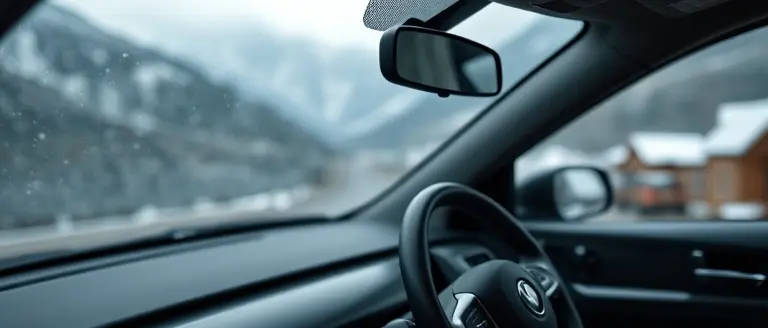
When navigating the complexities of modern climate volatility, the sudden issuance of a winter storm warning in late June can feel jarring. However, these unseasonal events in the high-elevation Rockies are typically the result of intense Arctic air masses surging against established summer heat patterns. Rather than reacting with alarm, travelers should view these phenomena as a prompt for increased situational awareness. Understanding that high-altitude environments can experience sub-freezing temperatures and heavy snowfall—even in mid-summer—is the first step in responsible planning. By maintaining a “flexibility-first” mindset, you can effectively adjust your itinerary to avoid hazardous mountain passes when a high elevation summer snowfall warning is in effect.
Essential Preparedness for High-Country Travel
To ensure your holiday travel remains safe and manageable, prioritize real-time data over generalized forecasts. Official winter storm warning weather alerts from the National Weather Service (NWS) are designed to provide localized, actionable intelligence. Before heading into the mountains, integrate these habits into your travel routine:
- Consult Local DOT Dashboards: Always check state-specific Department of Transportation websites for live camera feeds and road closure updates before traversing mountain passes.
- Utilize Official Weather Channels: Monitor weather.gov for the most accurate, localized alerts rather than relying solely on generic social media headlines.
- Prioritize Flexible Itineraries: If a major storm front is projected, be prepared to adjust your route or delay high-elevation travel by 24 hours to allow road crews to clear potential accumulations.
- Equip for the Extremes: Even if your destination reports summer-like heat, maintain a “winter-ready” kit in your vehicle, including blankets, extra water, and high-traction footwear, as conditions can deteriorate rapidly above 6,000 feet.
Ultimately, the key to safe travel in an unpredictable climate is the ability to adapt. When official sources signal a risk of a winter storm, prioritize safety over rigid adherence to a vacation schedule. By staying informed and respecting the volatility of high-altitude geography, you can enjoy your trip while remaining fully prepared for any weather contingency.
Bolster Your Resilience for the High-Altitude Shift
Navigating the unexpected winter storm conditions in the Rockies requires more than just extra layers and snow chains; it demands a comprehensive approach to your personal well-being. As you prepare for the drastic temperature swings from summer heat to freezing mountain winds, remember that environmental stress goes beyond the skin. Sudden exposure to cold, arid high-altitude air can put significant strain on your respiratory tract, often leaving your natural defenses feeling compromised just as your vacation begins.
This is where proactive care becomes your best travel companion. While you are packing your layers to handle the drastic temperature drops, don’t forget the importance of supporting your respiratory health against the dry, frigid mountain air that can weaken your natural defenses. ProDentim acts as an essential environmental defense tool, bridging the gap between external gear and internal resilience. By supporting your upper respiratory and sinus health, you ensure that your body is as prepared for the climate volatility as your hiking boots and winter coats.
Don’t let the unpredictability of the mountains dictate your health during the July 4th holiday. By stabilizing your systemic immunity and oral-respiratory balance now, you can focus on the breathtaking views rather than the physical toll of the elements. Take control of your travel experience and safeguard your well-being against the harsh, unseasonable conditions awaiting you in the high country.
 Prepare your immune system for the mountain shift: Click here to add ProDentim to your travel safety kit.Yes, I Want To Protect My Health Now!