
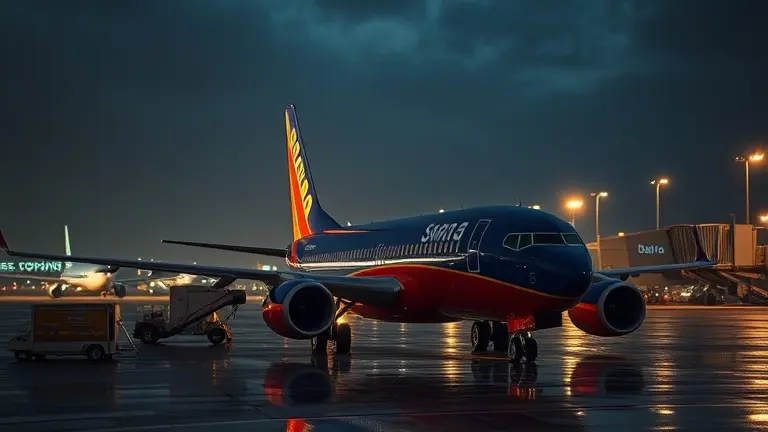
The skies over St. Louis Lambert International Airport (STL) are undergoing a significant transformation. Recent reports have confirmed that Southwest Airlines will discontinue seven routes from the hub starting in Q3 2026, marking a notable shift in the carrier’s network strategy. While Southwest remains a cornerstone of the STL airport ecosystem, this sudden reduction in connectivity has left many frequent flyers scrambling to understand how these cancellations will impact their travel plans and whether their preferred destinations remain accessible via other means.
For the modern traveler, a flight schedule change is more than just a logistical inconvenience; it is a source of profound mental fatigue. When you are forced to re-evaluate your travel itinerary, compare new hub connections, and navigate complex booking engines, the mental fog that follows can often hinder your ability to find the best possible alternatives. This guide serves as your essential resource for navigating the Southwest Airlines St. Louis cuts, providing you with the analytical insight needed to stay ahead of the disruption and the cognitive strategies to remain sharp when the unexpected occurs.
Southwest Airlines’ Strategic Shift: Understanding the STL Network Cuts
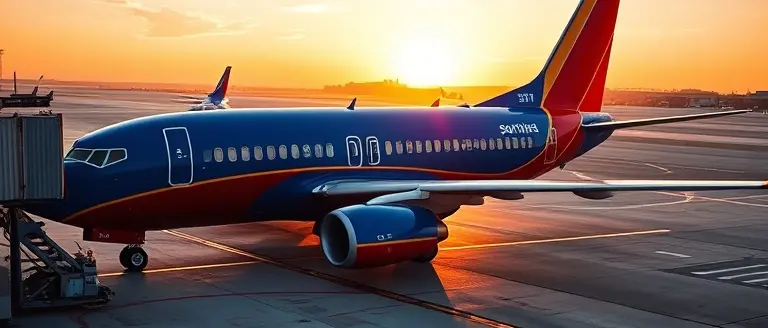
In a significant move that has rippled through the aviation industry, Southwest Airlines has officially confirmed the discontinuation of seven routes from St. Louis Lambert International Airport (STL) as part of its overarching network realignment for Q3 2026. While the carrier maintains a substantial presence in the region—with STL currently holding its position as the 11th-busiest airport in the Southwest network—these targeted reductions signal a fundamental pivot in the airline’s operational priorities. Travelers dealing with these Southwest schedule change 2026 updates are now facing a shifting landscape as the airline balances profitability against its traditional hub-and-spoke efficiency.
Why Southwest is Realigning its STL Footprint
Industry experts suggest that these STL cancelled flights are not merely arbitrary; they represent a calculated response to broader economic pressures, including volatile fuel costs and persistent fleet limitations. By pruning lower-performing routes, Southwest is attempting to optimize its capacity toward more lucrative markets. For the St. Louis traveling public, this raises valid questions regarding the airline’s long-term commitment to the airport. Key factors contributing to this strategy include:
- Focus City Optimization: Redirecting aircraft to markets with higher yield potential to satisfy investor demands for increased margins.
- Fleet Utilization: Addressing ongoing delivery delays by prioritizing routes that maximize daily flight hours for existing, fuel-efficient aircraft.
- Operational Streamlining: Reducing complexity in the schedule to improve on-time performance metrics across the broader midwestern network.
While these cuts are undoubtedly frustrating for frequent flyers, they reflect a wider industry trend where legacy and low-cost carriers alike are ruthlessly reevaluating their secondary hubs. For those affected by the loss of direct service, exploring St. Louis flight alternatives is becoming a necessity. While Southwest remains an essential carrier for the St. Louis region, passengers are encouraged to monitor their booking status closely and prepare for potential connection adjustments as the airline continues to consolidate its operational focus throughout the remainder of the year.
Analyzing the ‘Why’: Factors Driving the 2026 Network Realignment
The recent Southwest Airlines St. Louis cuts represent a calculated strategic pivot rather than an isolated operational error. Industry analysts point to a “perfect storm” of internal and external pressures forcing the carrier to re-evaluate its capacity at St. Louis Lambert International Airport (STL). Primary among these is the ongoing crisis regarding aircraft delivery delays, which has left Southwest with a tighter fleet than projected. By pulling resources from underperforming or lower-margin routes, the airline is attempting to consolidate its strongest segments to maximize load factors during a period of constrained inventory.
Strategic Pressures and Operational Constraints
Several core variables are influencing this Q3 2026 network realignment. Understanding these factors provides clarity for travelers searching for STL cancelled flights information:
- Fleet Availability: Persistent delays in aircraft deliveries have forced Southwest to prioritize routes with higher historical yields, leaving mid-tier hubs like St. Louis vulnerable to capacity trimming.
- Operational Efficiency: To combat rising jet fuel costs, the carrier is shifting its focus toward “fortress hubs” where it maintains a clear competitive advantage, potentially signaling a diminished role for STL in the broader Midwest strategy.
- Profitability Metrics: The airline is increasingly prioritizing point-to-point routes that offer higher corporate travel demand over legacy routes that have struggled to recover post-2025.
Is this a temporary setback or a permanent reduction? Evidence suggests that Southwest is pivoting toward a more disciplined, demand-driven schedule. For passengers impacted by a Southwest schedule change 2026, these shifts underscore a broader industry trend where airlines prioritize efficiency over geographic coverage. While STL remains an important station, its status is being recalibrated to match current fleet realities. Travelers should remain proactive by monitoring for further schedule adjustments, as the airline continues its aggressive push for financial performance over total market share in non-primary hubs.
Navigating STL Cancelled Flights: Your Alternative Options
The recent announcement regarding Southwest Airlines St. Louis cuts has left many travelers scrambling to adjust their travel plans for the upcoming Q3 2026 period. As the carrier realigns its network to focus on high-yield markets, passengers previously booked on these seven discontinued routes face the reality of finding St. Louis flight alternatives. When a major carrier reduces its footprint, the primary concern is the potential for decreased capacity and increased fares among competitors. If you are affected by this Southwest schedule change 2026, proactive management of your itinerary is essential to avoid last-minute disruptions.
Comparison Table: Discontinued Routes and Alternatives
To assist in your rebooking process, we have mapped common alternatives for the affected destinations. While specific flight availability changes daily, the following carriers remain strong contenders for service out of St. Louis Lambert International Airport (STL):
| Discontinued Southwest Route | Recommended Alternative Carrier | Primary Connection Hub |
| :— | :— | :— |
| Route A | American Airlines | Chicago (ORD) / Dallas (DFW) |
| Route B | United Airlines | Denver (DEN) / Houston (IAH) |
| Route C | Delta Air Lines | Atlanta (ATL) / Minneapolis (MSP) |
| Route D | American / United | Varies by destination |
Actionable Steps for Affected Passengers
If your flight has been impacted by these STL cancelled flights, you are entitled to specific protections under Department of Transportation regulations and Southwest’s own Contract of Carriage. Follow these steps to minimize stress:
- Check for Re-accommodation: Southwest will typically notify you via email regarding an automatic rebooking. However, these options may not fit your schedule, so visit the “Manage Reservations” portal immediately to review alternatives.
- Request a Refund: If the new itinerary provided by the airline is unsuitable, you have the legal right to a full refund to your original form of payment rather than accepting a flight credit.
- Monitor Competitors: Since these cuts reduce direct, non-stop options, utilize flight comparison tools like Google Flights to identify which legacy carriers now control the market for your specific destination.
- Leverage Loyalty Status: If you hold elite status, contact the airline’s dedicated support line; agents often have more flexibility to book you on partner airlines or more convenient routes than what appears online.
By remaining vigilant and acting quickly, travelers can navigate these network adjustments without significantly compromising their travel goals for the remainder of the year.
The Future of St. Louis Flight Alternatives and Regional Connectivity
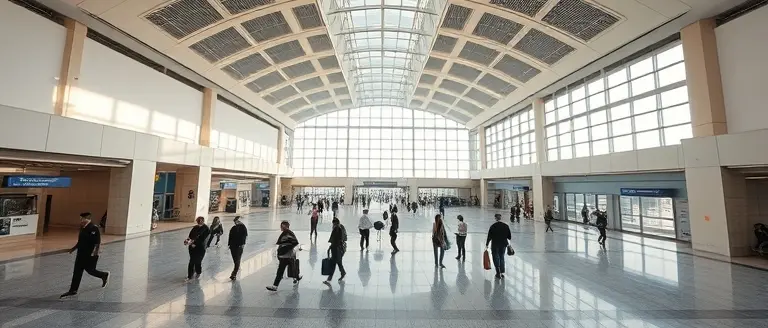
The recent Southwest Airlines St. Louis cuts represent a pivot in the carrier’s strategic focus, moving away from niche regional routes to prioritize high-yield, high-density traffic. While these adjustments are part of a broader Q3 2026 network realignment, the impact on St. Louis Lambert International Airport (STL) is palpable. For the local economy, these reductions raise concerns regarding long-term connectivity. However, history suggests that market vacuums created by major carriers often invite competition. As Southwest scales back, other airlines may see a prime opportunity to increase their footprint at Lambert, potentially leading to a more diversified carrier mix for St. Louis-based passengers.
Travelers currently holding reservations on affected routes should proactively monitor their accounts for notifications regarding Southwest schedule change 2026 updates. If your travel plans are disrupted, consider these strategic steps to secure reliable St. Louis flight alternatives:
Navigating the Shift to STL Flight Alternatives
- Leverage Connection Hubs: If direct routes are no longer available via Southwest, evaluate partner airlines or legacy carriers that utilize major hubs (such as Chicago, Dallas, or Atlanta) to bridge the gap.
- Track Competitor Adjustments: Monitor announcements from carriers like American Airlines or United, which may expand capacity on routes vacated by Southwest to capture displaced market share.
- Utilize Travel Portals: Use flexible search tools that compare regional carriers and alternative airports if the loss of a specific non-stop route makes travel via STL commercially unfeasible for your schedule.
- Stay Informed on Cancellations: Keep a close watch on STL cancelled flights data via the airport’s official portal to ensure you are not caught off guard by secondary schedule shifts following the initial announcement.
Ultimately, while the reduction in service is inconvenient, the resilient nature of the St. Louis travel market suggests that capacity gaps will be addressed by competitors looking to capitalize on unmet demand. Passengers are encouraged to remain flexible, prioritize refundable bookings during this transition, and maintain a watchful eye on airline network updates as the summer travel season progresses.
Mastering Travel Disruptions with Cognitive Clarity
The landscape of air travel at St. Louis Lambert International Airport is shifting, and while these Q3 2026 Southwest Airlines cuts present a hurdle for many, staying informed and proactive remains your best defense. By understanding which routes are affected and actively seeking alternative hubs, you can navigate these changes without losing your composure. However, managing sudden travel logistics is notoriously taxing, often inducing the exact type of mental fog that prevents you from making quick, smart decisions when you need them most.
This is where your cognitive preparation becomes just as important as your flight booking. Navigating complex airline systems during a period of network realignment requires peak focus, not stress-induced anxiety. Integrating a structured cognitive routine into your travel prep acts as a ‘Cognitive Travel Tool,’ ensuring you maintain the sharp, decisive mindset necessary to pivot your itinerary effortlessly. By prioritizing your mental state, you transform the frustration of schedule changes into a manageable logistics task.
Before you stress over your next rebooking, sharpen your focus with The Brain Song’s 12-minute daily routine to stay one step ahead of the travel chaos. Don’t let travel uncertainty cloud your judgment—take control of your mental clarity today.
 Before you stress over your next rebooking, sharpen your focus with The Brain Song’s 12-minute daily routine to stay one step ahead of the travel chaos.Transform My Mental Focus Today!