

In mid-2026, the global conversation surrounding pesticide use has reached a critical inflection point. From the alarming decline of insect populations in ecosystems like Lake Erie to recent, sobering studies from UCLA Health linking common agricultural chemicals to heightened neurological risks, the traditional approach to pest control is under intense scrutiny. Simultaneously, legislative bodies—most notably in Canada—are recalibrating their frameworks to balance the immediate, pressing need for food security against the long-term imperative of environmental stewardship. The binary debate between total prohibition and indiscriminate application is failing; we are entering an era where precision, data-driven methodology, and ecological resilience must define how we protect our harvests.
For the average gardener and consumer, this shift creates a palpable sense of anxiety: how do we protect our plants without relying on the synthetic chemicals that dominate the headlines? The answer lies not in a return to the past, nor in an blind reliance on the chemical industry, but in the adoption of Integrated Pest Management (IPM). By shifting our focus from reactive spraying to proactive, structural garden design, we can create environments that naturally discourage pests while fostering biodiversity, turning the home garden into a resilient, self-sustaining ecosystem that thrives without synthetic intervention.
The Pesticide Paradox: Navigating the 2026 Crisis of Health and Ecology
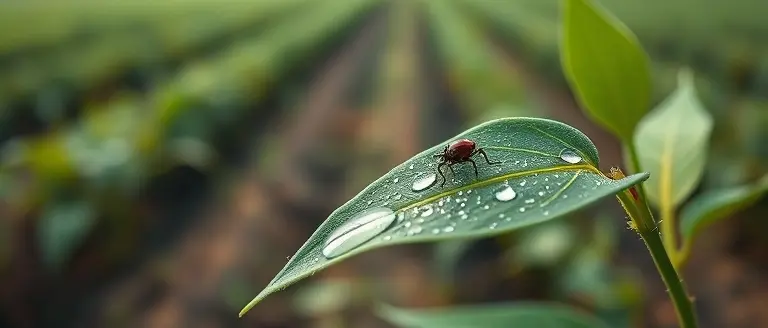
The landscape of modern agriculture has reached a critical inflection point in June 2026, characterized by a complex tension between human health, environmental stewardship, and global food security. As the synthetic pesticide market continues its trajectory toward a projected $27.6 billion valuation by 2031, society is simultaneously grappling with the fallout of widespread chemical dependence. Reports from the Lake Erie region underscore a harrowing decline in insect populations, signaling broader habitat degradation that threatens to disrupt local ecosystems permanently. This ecological instability is no longer a peripheral concern; it is a central factor in the ongoing debate over how we manage our food systems.
Simultaneously, the public health narrative has shifted due to concerning data from UCLA Health, which has identified significant links between specific pesticides, such as chlorpyrifos, and a heightened risk of Parkinson’s disease. These scientific findings have introduced a sense of urgency into the public consciousness, forcing a re-evaluation of chemical safety standards. However, policymakers face an equally daunting challenge: balancing these health and environmental risks against the necessity of stable food production. Recent shifts in Canada’s Pest Control Act illustrate this dilemma, as the legislation now explicitly permits the approval of certain substances if deemed vital for national food security.
The Forces Shaping Current Policy
The current volatility in the debate over pesticide usage is driven by three competing pressures:
- Ecological Integrity: The observed collapse of insect populations in critical regions like the Great Lakes basin is necessitating a faster transition toward biodiversity-friendly farming.
- Medical Liability: Emerging research establishing links between chemical exposure and neurodegenerative conditions is reshaping legal and social standards for permissible pesticide residues.
- Economic Realism: Legislative moves in North America and ongoing trade negotiations in the European Union highlight the reality that sudden, total bans on chemical inputs could trigger significant disruptions in global food supply chains.
Navigating this “pesticide paradox” requires moving beyond the binary choice of total chemical prohibition or unrestricted application. The path forward demands an embrace of Integrated Pest Management (IPM), where precision technology and biological controls provide a middle ground, ensuring that our agricultural output is achieved without sacrificing the long-term viability of our health or our natural world.
The Regulatory Tug-of-War: Food Security vs. Public Safety
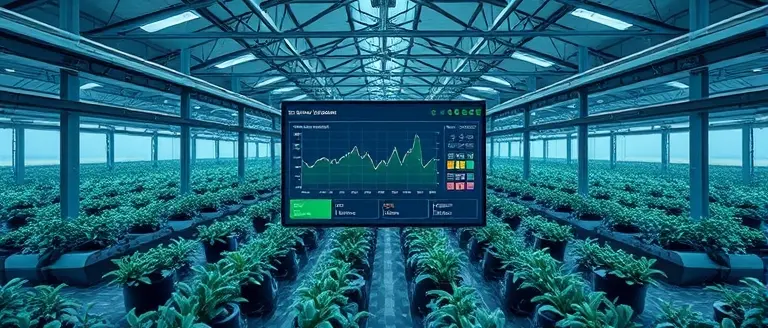
The global legislative landscape regarding pesticide usage is undergoing a profound transformation in 2026, shifting from rigid, binary regulatory frameworks toward more nuanced, risk-based policies. Recent developments, such as the updates to Canada’s Pest Control Act, underscore a growing consensus: the necessity of maintaining robust domestic food security may occasionally supersede the total phase-out of specific chemical agents. By allowing the approval of substances deemed essential for economic stability, policymakers are attempting to navigate the precarious balance between protecting agricultural yields and ensuring supply chain resilience in an era of geopolitical uncertainty.
Geopolitical Pressures and Agricultural Policy
The tension is particularly visible in ongoing European Union agricultural negotiations, where the integration of non-EU producers—such as Ukraine—complicates the enforcement of strict chemical standards. These discussions highlight a vital shift in how international bodies view synthetic pesticide management:
- Precision Prioritization: Regulators are moving away from blanket bans in favor of precision application technologies that limit environmental exposure.
- Economic Security Clauses: New statutes provide legislative “safety valves,” allowing for the temporary use of effective, albeit controversial, pesticides when food supplies are at risk.
- Health-Conscious Integration: Despite these economic concessions, health mandates remain stringent, driven by emerging research—such as recent UCLA Health studies—that consistently links certain chemicals to long-term health risks like Parkinson’s disease.
This “middle-ground” approach suggests that the future of pest control will not be defined by total prohibition, but by advanced, data-driven stewardship. As the global market for synthetic solutions is projected to reach $27.6 billion by 2031, the focus is shifting toward “sustainable intensification.” By utilizing digital tools to optimize the delivery of pesticide treatments, the agricultural sector aims to minimize chemical footprints while simultaneously insulating the global food supply from the unpredictable impacts of climate-driven pest surges.
Precision Over Proliferation: The Rise of Digital Pest Management
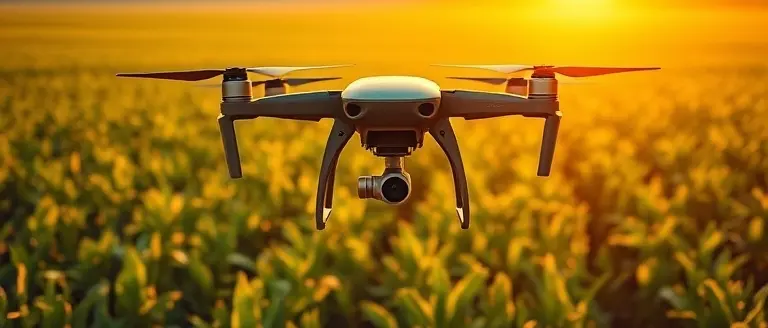
The era of blanket pesticide application—where entire fields are treated with broad-spectrum chemicals regardless of actual infestation levels—is rapidly giving way to a more sophisticated, data-driven approach. As the global agricultural sector faces pressure to balance food security with environmental stewardship, digital pest management has emerged as a critical innovation. Unlike traditional methods that often lead to significant environmental runoff and collateral damage to non-target insect populations, these new systems utilize Artificial Intelligence and real-time data to treat only the specific areas where pests are identified. This shift from volume-based control to precision-based intervention is essential for reducing the chemical footprint of modern farming.
Leveraging IoT and Robotics for Targeted Control
Modern agriculture now relies on a sophisticated network of hardware to minimize exposure. By integrating Internet of Things (IoT) sensors and autonomous drones, farmers can now monitor crop health with unprecedented granularity. Key advancements in this sector include:
- Precision Drones: Equipped with multispectral imaging, these drones identify early signs of pest stress, allowing for site-specific application rather than broadcast spraying.
- IoT Field Sensors: These devices monitor humidity, temperature, and specific pest activity in real-time, helping farmers determine the exact economic threshold at which intervention is necessary.
- AI-Driven Diagnostics: Machine learning models analyze imagery to differentiate between harmless insects and genuine threats, preventing unnecessary chemical use for localized or benign infestations.
By adopting these digital tools, the industry can significantly mitigate the environmental degradation linked to over-spraying. This approach aligns with the growing demand for sustainable agricultural practices, ensuring that crop protection does not come at the cost of biodiversity. As we move toward 2031, the integration of these technologies suggests that the most effective way to curb the risks associated with synthetic agents is not necessarily to eliminate them entirely, but to ensure they are deployed with surgical accuracy.
Actionable Steps: Reducing Chemical Dependence in Your Own Backyard

Adopting Integrated Pest Management (IPM) at home allows you to manage unwanted insects while minimizing the use of synthetic pesticide products. IPM functions on the principle of “precision” rather than total eradication, mirroring the advanced methods now utilized in modern agriculture. By shifting from a preventative spray schedule to a monitoring-based approach, you can protect your local biodiversity and personal health. The first step involves routine inspection: instead of applying chemicals at the first sign of an insect, correctly identify the pest to determine if it is truly harmful or a beneficial part of your garden’s ecosystem. Many “pests” are actually transient, and their presence may indicate a lack of natural predators in your landscape.
Implementing Sustainable Garden Practices
To reduce chemical dependence, focus on building an environment that discourages infestations naturally. Consider the following strategies to bolster your garden’s resilience:
- Native Plant Selection: Prioritize local flora that naturally resist regional pests and attract beneficial insects such as ladybugs, lacewings, and parasitic wasps, which act as nature’s own pest control.
- Physical Barriers: Utilize row covers, copper tape, or netting to protect delicate crops, providing a low-risk alternative to chemical application.
- Targeted Application: If an outbreak occurs, focus treatments only on the affected area rather than applying a broadcast spray across your entire lawn or garden.
- Soil Health Optimization: Strong, nutrient-rich soil produces healthy plants that are significantly more capable of resisting disease and mechanical damage from insects.
By choosing organic-approved options—such as neem oil or horticultural soaps—only when necessary and focusing on long-term ecological balance, you can effectively lower your chemical footprint. This localized approach to precision pest management not only supports the broader recovery of insect populations but also ensures that your home landscape remains a safe, productive space for your family and the local environment.
Crafting a Resilient Garden Ecosystem
Moving beyond the alarmist headlines, the path toward a sustainable future is paved with precision. The most effective defense against pests is not a bottle of chemicals, but a healthy, balanced habitat that attracts the beneficial insects which serve as nature’s own security force. By designing your garden with intent—utilizing structural elements that promote native pollinators and predatory insects—you can shift your role from a consumer of synthetic sprays to an architect of a resilient ecosystem.
This is where the physical infrastructure of your garden becomes your most powerful tool. Whether it is building custom raised beds that optimize plant health or constructing specialized shelters for beneficial insects, professional-grade craftsmanship is the key to successful, low-risk pest management. Our recommended resource provides the exact, step-by-step blueprints needed to create these precision garden structures, allowing you to move away from reactive chemical dependence and embrace a proactive, structural approach to gardening.
By investing in these precise woodworking projects, you are not just building furniture for your yard; you are creating a biological buffer that protects your harvest while actively contributing to local biodiversity. It is time to move from being a bystander in the pesticide debate to becoming an active steward of your own land.
 Build a garden that manages itself—discover the exact, step-by-step blueprints for insect-friendly garden structures and sustainable raised beds here.Transform My Garden Today!