

The recent tragedy involving Argentine footballer Lucas Trejo has sent shockwaves far beyond the sports community, serving as a heart-wrenching reminder of the fragility of life. Following the devastating twin earthquakes that struck Venezuela on June 24, 2026, the loss of his wife, Yanina Maranella, and their two children, Aarón and Ainhoa, has become a somber symbol of the human cost behind the headlines. While Trejo was away fulfilling his professional duties with Club Sport Marítimo de La Guaira, the sudden destruction of his home and the subsequent agonizing search for his family have highlighted the immense scale of the humanitarian disaster currently unfolding in the region.
Beyond the news reports, this event invites a deeper, more empathetic look at the resilience of the Venezuelan people and the urgent need for support in the aftermath of such catastrophic events. As we process the weight of this story, it is crucial to recognize the long-term trauma faced by survivors and the importance of fostering mental well-being in the shadow of disaster. By shifting our focus from the spectacle of the event to the necessity of healing, we can better understand how to navigate the complex journey toward stability when trauma threatens to overwhelm the mind.
,slug:
The Tragic Loss of Lucas Trejo’s Family in the Venezuela Earthquake

On June 24, 2026, a catastrophic natural disaster struck Venezuela when two massive, back-to-back earthquakes devastated the region. Among the countless families affected by this humanitarian crisis was that of Lucas Trejo, an Argentine professional footballer currently playing for Club Sport Marítimo de La Guaira. At the time the tremors struck, Trejo was reportedly away from home fulfilling his professional club duties, leaving his wife, Yanina Maranella, and their two young children, Aarón and Ainhoa, at their residence.
The immediate aftermath saw an intense, localized search-and-rescue operation as the scale of the structural collapse became clear. For 72 to 74 agonizing hours, the status of the Trejo family remained unknown, sparking a desperate search by emergency responders and community members amidst the widespread debris. Tragically, official reports confirmed that the bodies of Yanina, Aarón, and Ainhoa were recovered from the rubble following the three-day search. The club, Club Sport Marítimo de La Guaira, issued a formal statement confirming the loss, which drew expressions of grief and solidarity from the international sports community and fans worldwide.
The death of the Trejo family serves as a harrowing microcosm of the broader suffering endured by the Venezuelan population during this seismic event. While the celebrity status of Lucas Trejo brought significant media attention to the tragedy, it also underscored the severe impact of the disaster on ordinary citizens. Key aspects of the tragedy include:
- Event Timeline: The twin earthquakes occurred on June 24, 2026, leading to widespread infrastructure failure.
- Search Duration: Professional rescue teams and volunteers conducted a 74-hour recovery effort at the site of the family home.
- Humanitarian Context: The loss highlights the urgent need for enhanced disaster preparedness and resilient infrastructure in vulnerable regions of Venezuela.
As the nation grapples with the aftermath, the story of the Trejo family remains a somber reminder of the fragility of life and the immense courage required by those navigating the recovery process in the wake of such profound loss.
The Humanitarian Impact of the June 2026 Twin Earthquakes
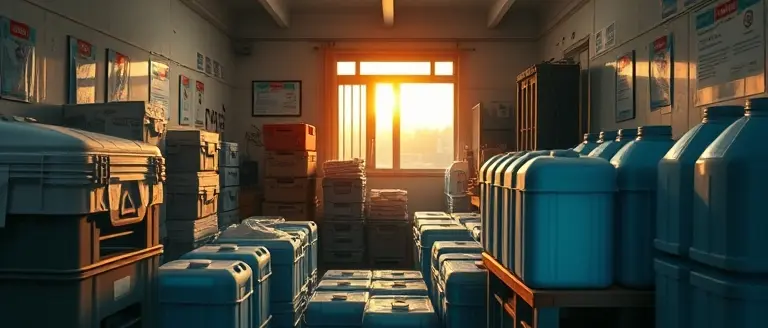
The devastating twin earthquakes that struck Venezuela on June 24, 2026, transcend the heartbreaking loss experienced by individuals like Lucas Trejo and his family. While the international sports community mourns this specific tragedy, the seismic events triggered a catastrophic humanitarian crisis across the region. The back-to-back tremors caused widespread structural failure, flattening residential neighborhoods and compromising critical infrastructure. Thousands of families have been displaced, forced to seek temporary shelter in makeshift camps as local authorities struggle to assess the full extent of the damage amidst ongoing aftershocks and unstable terrain.
Regional Infrastructure and Emergency Needs
The scale of destruction has overwhelmed existing emergency services, creating an urgent demand for international aid and disaster response coordination. Recovery efforts remain hindered by the collapse of key arterial roads and the failure of regional power grids. Medical facilities in the hardest-hit areas are reporting severe shortages of life-saving supplies, ranging from surgical equipment to basic antibiotics and clean water. To address these gaps, humanitarian organizations are focusing on several priority areas:
- Medical Support: Rapid deployment of mobile hospitals and specialized trauma surgeons to manage high injury volumes.
- Essential Utilities: Restoration of sanitation services and provision of potable water to prevent the outbreak of waterborne diseases in crowded evacuation centers.
- Infrastructure Repair: Engineering assessments of remaining residential blocks to prevent secondary collapses and facilitate the safe return of displaced citizens.
- Logistical Corridors: Establishing secure air and ground supply chains to ensure food and fuel reach isolated communities that remain cut off from traditional government relief efforts.
As the region moves from the immediate search-and-rescue phase into long-term recovery, the necessity for sustained funding and global solidarity becomes clear. The humanitarian response must prioritize equitable aid distribution, ensuring that vulnerable populations—who often face higher risks during such disasters—receive the psychological and physical care required to begin the long process of community reconstruction.
International Solidarity and Support for Affected Communities
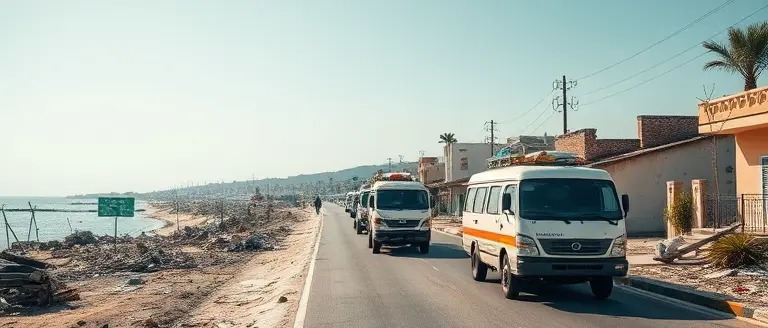
The devastating seismic events that claimed the lives of the family of Lucas Trejo have triggered a massive wave of international solidarity, highlighting the urgent humanitarian needs of the Venezuelan people. Following the back-to-back earthquakes on June 24, 2026, global athletic communities, including the South American football federation and various international NGOs, have mobilized to provide critical support. This tragedy has transcended sports, serving as a somber rallying point for nations to expedite disaster relief efforts, medical supplies, and temporary housing for thousands who lost their livelihoods in the chaos.
The response has been multifaceted, focusing on both immediate life-saving interventions and long-term infrastructure recovery. Neighboring countries have coordinated with local authorities to deploy specialized search-and-rescue teams, acknowledging the massive scale of the structural collapse. Humanitarian organizations remain on the ground to address the growing needs of displaced families, emphasizing that the recovery process will be a protracted endeavor requiring sustained global attention. Key areas of focus for current relief initiatives include:
- Medical Logistics: Deployment of mobile surgical units and field hospitals to manage the surge of injuries resulting from the twin quakes.
- Infrastructure Assessment: International engineers and disaster preparedness experts are currently analyzing regional building standards to prevent further casualties as aftershocks continue.
- Charitable Partnerships: Various football clubs, including those associated with Lucas Trejo, have established trust funds to support victims’ families and rebuild community centers.
- Essential Supplies: Coordination with international NGOs to secure clean water, non-perishable food, and sanitation kits for the thousands left homeless in the La Guaira region.
While the loss suffered by individuals like Lucas Trejo has brought international visibility to the disaster, experts emphasize that the broader population remains in a precarious position. The collective effort underscores a critical need for enhanced regional seismic warning systems and disaster resilience training. As local communities rebuild, international NGOs continue to encourage monetary donations and the provision of emergency resources to ensure that the recovery phase is as comprehensive and equitable as possible for every displaced family.
How to Contribute to Ongoing Recovery Efforts
The tragedy surrounding Lucas Trejo and the loss of his family has brought international attention to the devastating humanitarian crisis currently unfolding in Venezuela. Following the back-to-back earthquakes that struck on June 24, 2026, thousands of families remain displaced, facing critical shortages of medical supplies, clean water, and shelter. For those looking to provide meaningful support, it is essential to prioritize verified international relief organizations that have established logistics networks within the affected regions. Donating through reputable channels ensures that resources are directed toward life-saving aid rather than administrative overhead.
Recommended Channels for Humanitarian Support
To maximize the impact of your contributions, consider donating to organizations with a proven track record of operating in complex environments. When selecting a charity, verify their current focus on Venezuela disaster relief to ensure your gift addresses immediate needs. Legitimate organizations currently active in the region include:
- The International Federation of Red Cross and Red Crescent Societies (IFRC): They are leading on-the-ground medical triage and the distribution of emergency supplies to vulnerable populations.
- Direct Relief: Known for their specialized medical aid, they work to ensure that local health facilities, which are currently overwhelmed by the earthquake’s aftermath, remain operational.
- World Central Kitchen (WCK): Often first on the scene, they are currently coordinating the delivery of hot, nutritious meals to families displaced by the rubble.
- UNICEF: Dedicated to supporting children and families affected by the disaster, providing essential hygiene kits and psychological support for those suffering from trauma.
Ensuring Donation Transparency
Before finalizing any donation, please exercise due diligence to avoid fraudulent campaigns. Scrutinize the organization’s website for transparent financial reporting and a clear explanation of how funds are utilized. Avoid providing financial support through unverified social media solicitations or private crowdfunding links unless they are officially endorsed by recognized aid agencies. By focusing your generosity on established, transparent organizations, you provide a lifeline to those suffering in the wake of the earthquake and help rebuild the shattered local communities. Your contributions, however small, provide tangible assistance to those facing the same agonizing loss as individuals like Lucas Trejo and countless other families in need of urgent recovery support.
Finding Stability Amidst the Unimaginable
In the wake of such profound loss, the path toward healing is often obscured by a relentless fog of grief and trauma. While the world watches the headlines, those directly affected—and those witnessing such catastrophes—must navigate the difficult process of safeguarding their mental clarity. True resilience is not about erasing the pain, but about finding small, intentional ways to ground ourselves when the world feels like it is collapsing.
While the world focuses on the headlines, the unseen battle for those living through such tragedy is the preservation of their own mental clarity and peace; finding a moment of calm is a vital first step toward recovery. The Brain Song serves as a gentle, scientifically-supported tool designed for sensory wellness, helping to reduce the cognitive overload that accompanies deep emotional distress and traumatic aftermath.
By integrating this non-invasive method into your daily routine, you can begin to reclaim your focus and create a necessary buffer against mental exhaustion. This approach aligns with a commitment to holistic healing, offering a pathway toward psychological stability without the intrusion of conventional commercial interventions. It is a quiet, introspective step toward honoring the need for internal peace during life’s most challenging times.
 Discover how simple auditory stimulation can help restore focus and mental balance during life’s most challenging times.Find My Path to Inner Peace