

The 3-3 deadlock between Algeria and Austria at Arrowhead Stadium will undoubtedly go down as one of the most electric fixtures of the 2026 FIFA World Cup. Beyond the scoreboard, this Group J clash served as a poignant reminder of the enduring historical weight carried by these two footballing nations, with fans around the globe sensing the echoes of the infamous 1982 ‘Disgrace of Gijon.’ However, this encounter was far from a shadow of the past; it was a high-stakes, tactical rollercoaster that left both squads scrambling to define their future in the tournament’s knockout stages.
As we pivot toward the Round of 32, it is time to move past the raw emotion of the match and analyze the strategic failures and brilliance that led to this stalemate. Whether you are tracking the updated bracket standings or trying to decipher how this result influences the upcoming challenges for both the Algeria national football team and Austria, the complexity of this match demands more than a casual glance. To truly grasp the tactical shifts that are shaping the path toward the World Cup final, you need to be firing on all cylinders, ensuring your analytical focus is as sharp as the professionals on the pitch.
The 3-3 Thriller at Arrowhead: Revisiting the Algeria vs. Austria Showdown

The June 27, 2026, Algeria vs Austria clash at Arrowhead Stadium will long be remembered as a modern classic, transcending the standard group stage narrative. While Group J was already fraught with tension, the 3-3 draw injected a level of drama rarely seen in international football. For both the Algeria national football team and the Austria national football team, this fixture served as a high-stakes survival battle. With both sides fighting for a critical path into the Round of 32, the aggressive tactical setup from both managers turned the pitch into a theater of desperation and brilliance, effectively silencing any doubts about the intensity of this tournament cycle.
Echoes of the Past: The Gijon Shadow
The narrative tension surrounding this match was undeniably amplified by the historical weight of the 1982 “Disgrace of Gijon.” For decades, the legacy of that collusion between West Germany and Austria has haunted Algerian football fans. Entering the match, the subtext was clear: Algeria was not just seeking qualification—they were seeking catharsis. This emotional undercurrent created a volatile atmosphere, as every challenge and goal carried the heavy burden of historical redress. The resulting 3-3 scoreline acted as a symbolic exorcism of the past, proving that the modern era of the sport is defined by competitive merit rather than historical ghosts.
Tactical Chaos and Group J Implications
From an analytical perspective, the defensive lapses that allowed for a six-goal thriller highlighted the immense pressure faced by both squads. Key takeaways from the match included:
- High-Risk Offense: Both teams abandoned conservative structures, opting for vertical transitions that exploited exposed backlines.
- Group J Standings: The draw necessitated a complex tie-breaker analysis to determine which teams remained alive, as fans scrambled to understand if is Iran out of the world cup or if other groups would provide a clearer path.
- Tournament Progression: The result forced a radical shift in the Round of 32 bracket, compelling both nations to recalibrate their tactical approach for the knockout stages.
Ultimately, this result ensured that the Austria World Cup journey remained a focal point for critics and fans alike, while Algeria’s resilience solidified their status as one of the most unpredictable and dangerous sides in the 2026 competition.
Tactical Breakdown: How Both Sides Forced a Deadlock
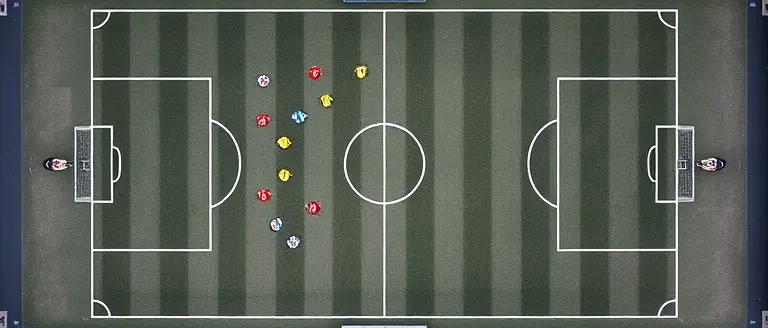
The algeria vs austria encounter at Arrowhead Stadium will be remembered as a masterclass in contrasting philosophies. Algeria’s tactical approach centered on a relentless high-pressing transition game designed to disrupt the opposition’s rhythm in the middle third. By forcing turnovers, the Algerian squad created immediate vertical threats, exposing gaps behind the Austrian defensive line. However, this aggressive pursuit often left their own backline vulnerable, as the team frequently committed too many bodies forward, allowing for rapid counter-attacks that defined the frantic pace of the match.
Conversely, Austria employed a highly disciplined, structured defensive block. By maintaining a narrow formation, they effectively neutralized Algeria’s interior passing lanes, forcing play toward the flanks. Austria relied heavily on precise transitions, utilizing their deep-lying playmakers to exploit the space left by Algerian fullbacks. This tactical chess match resulted in a 3-3 deadlock, as neither side could fully impose their will over the full 90 minutes. Evidence suggests that while Austria’s structure provided defensive stability, their hesitation to commit to the final third allowed Algeria to recover defensively, preventing a decisive fourth goal for either side.
Key tactical factors that led to the stalemate include:
- Verticality vs. Control: Algeria’s insistence on high-speed transitions created chaos, whereas Austria’s preference for controlled build-up play allowed them to dictate tempo despite being under constant pressure.
- Defensive Transition Errors: Both sides showed signs of fatigue in the closing stages, leading to defensive lapses that accounted for the high volume of goals in the second half.
- Midfield Imbalance: The inability of either team to secure the central pivot meant the ball frequently bypassed the midfield, leading to an open-ended “basketball-style” match that penalized both defenses.
This result reflects the broader reality of Group J standings, where the margins for error were razor-thin. While both sides showed the offensive firepower necessary to compete at this level, the defensive tactical errors highlight why neither could secure a win, directly impacting the current World Cup teams eliminated projections and forcing a complex recalculation for the Round of 32 brackets.
Looking Ahead: Updated Brackets for the Round of 32

The electric 3-3 draw between Algeria vs Austria at Arrowhead Stadium has fundamentally reshaped the landscape of the 2026 FIFA World Cup. By finishing the group stage with this high-stakes deadlock, both nations have officially secured their advancement into the Round of 32, effectively silencing those who questioned their defensive consistency. As the dust settles on Group J standings, the tactical implications of this result are now the primary focus for analysts and fans alike. With the group stage concluded, the tournament bracket shifts into a high-intensity knockout format where historical narratives—including the shadow of the 1982 “Disgrace of Gijon”—take a backseat to immediate survival.
Path to the Round of 32
The progression into the knockout phase brings immediate challenges for both sides. Based on the finalized group rankings, the path forward is as follows:
- Algeria’s Momentum: Having navigated the group stage with a resilient offensive display, the Algeria national football team faces a challenging opening knockout tie against the top seed from Group H. Their ability to exploit defensive transitions remains their most potent weapon.
- Austria’s Tactical Test: The Austria national football team must address the defensive lapses observed in the 3-3 thriller to succeed in their upcoming match against the runners-up of Group I.
- Bracket Realignment: As other World Cup teams eliminated from the tournament make their exits, the pressure on Austria and Algeria intensifies. Neither team can afford a defensive breakdown similar to the one witnessed in Kansas City.
For fans inquiring about the status of other nations, such as asking, “is Iran out of the world cup,” the latest bracket updates confirm that the knockout stage is now clearly defined. Both Algeria and Austria occupy distinct halves of the draw, meaning a rematch is only possible in the tournament final. Their momentum, while tested, provides a strong foundation for a deep run if they can tighten their defensive structures against more disciplined opposition.
The Legacy of Grudge Matches: Football’s Enduring Narratives

The June 2026 showdown between the Algeria national football team vs Austria national football team was far more than a typical group stage fixture; it was a collision of history, memory, and sporting redemption. For decades, the shadow of the 1982 “Disgrace of Gijon”—where West Germany and Austria played out a mutually beneficial result to eliminate Algeria—loomed over international football relations. This historical weight transformed the Algeria vs Austria 2026 meeting at Arrowhead Stadium into a high-stakes cultural moment, illustrating how deep-seated narratives amplify fan engagement and define the identity of national teams on the global stage.
Why Historical Narratives Drive Fan Engagement
The psychological impact of such “grudge matches” is profound. While modern fans are often focused on current world cup teams eliminated and live standings, the visceral connection to past injustices creates an emotional intensity that transcends standard analytics. The 3-3 draw in 2026 served as a form of sporting catharsis, moving the conversation away from the bitterness of 1982 toward a spectacle of competitive parity.
Key factors contributing to the legacy of this rivalry include:
- The “Gijon Factor”: Fans and pundits alike recognized this as a rare opportunity to address a 44-year-old sporting grievance, turning a routine group game into one of the most talked-about events of the tournament.
- Psychological Edge: Players often carry the weight of national expectation; the knowledge that this fixture carried historical significance clearly influenced the high-tempo tactical choices made by both sides.
- Digital Resonance: With 744.5K likes on FIFA’s official TikTok, the narrative-driven nature of the game proved that modern audiences are deeply invested in the “story” of the World Cup, not just the scoreline.
Ultimately, the 2026 encounter proved that when football history intersects with high-stakes qualification scenarios, the game becomes a legendary narrative. By balancing technical prowess with the ghosts of the past, both Algeria and Austria delivered a match that will be studied alongside other iconic, rivalry-defined moments in football history.
Mastering the Tactical Landscape of the 2026 World Cup
The 3-3 draw between Algeria and Austria at Arrowhead Stadium was more than just a statistical stalemate; it was a masterclass in high-stakes volatility that redefined the path for both nations in the Round of 32. By dissecting the defensive lapses and the tactical gambles that defined this thriller, we gain a clearer picture of which teams possess the mental fortitude to survive the knockout stages. The historical ghosts of 1982 may have fueled the intensity, but it was the current technical execution that ultimately dictated the bracket’s new, unforgiving reality.
Just as the players on the field require peak mental acuity to navigate high-pressure moments, your ability to process these complex tactical strategies depends on your own cognitive clarity. When you are deep into the weeds of group stage permutations and intricate formations, mental fatigue can cause you to miss the nuances that truly matter. This is why we recommend The Brain Song—a cognitive accelerator designed to eliminate mental fog, ensuring you stay sharp while digesting advanced sports analytics.
By integrating this 12-minute audio routine into your research, you transform your passive viewing into an optimized mental performance experience. It is the perfect tool for any serious fan who refuses to settle for superficial summaries and demands a deep, analytical edge in understanding the beautiful game. Elevate your engagement and sharpen your focus today to ensure you are fully prepared for the intensity of the upcoming matches.
 Optimize your analytical edge and focus today—try the 12-minute audio routine designed for peak cognitive performance.Yes, I Want This Now!