
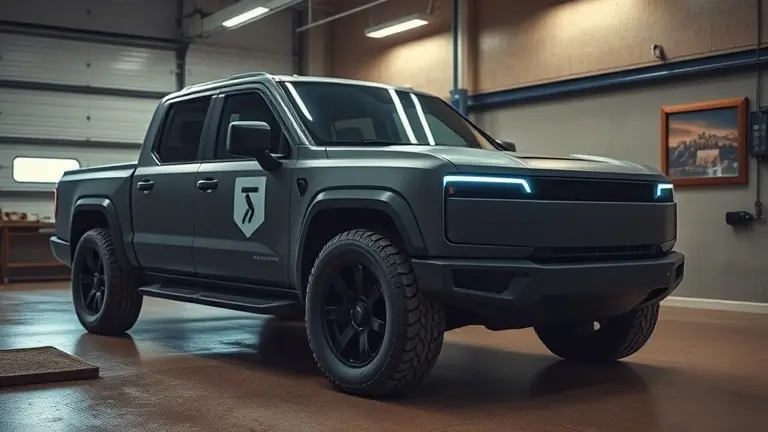
The automotive world is currently captivated by a disruptive newcomer: the slate truck. Positioned as an affordable, modular alternative to the premium EV establishment, Slate Auto has sent shockwaves through the industry by confirming a $24,950 base price and a practical 205-mile range. But what has truly caught the attention of enthusiasts and skeptical analysts alike is the vehicle’s “anti-Tesla” philosophy—a design built for utility, serviceability, and, most notably, the ability to transform from a rugged pickup into a family-friendly SUV right in your home garage.
However, the transition from concept to reality is rarely seamless. As hands-on reviews begin to filter in, the real conversation is shifting toward the logistics of ownership. Can the average DIYer actually master these modular conversions safely? With the industry looking closely at the viability of the “Slate Certified” service network, potential owners are weighing the long-term trade-offs between innovation and reliability. This deep dive unpacks the reality of the slate auto ecosystem, examining whether its modular promise holds up under the pressure of real-world use.
The Slate Truck Revolution: A Disruptive Price Point and Modular Utility
The automotive landscape is undergoing a seismic shift with the emergence of the slate truck, a vehicle engineered by Slate Auto to challenge the status quo. By entering the market with an aggressive $24,950 base price, the company is positioning its product as the quintessential “anti-Tesla” option—prioritizing utilitarian function over high-end luxury tech. Recent official updates have bolstered investor and consumer confidence alike, confirming a range increase to 205 miles for the base model. This move effectively positions these slate trucks as a viable entry point for small business owners and budget-conscious drivers who require practical, electric-powered transport without the premium price tag associated with incumbent EV brands.
Modular Engineering and Practical Utility
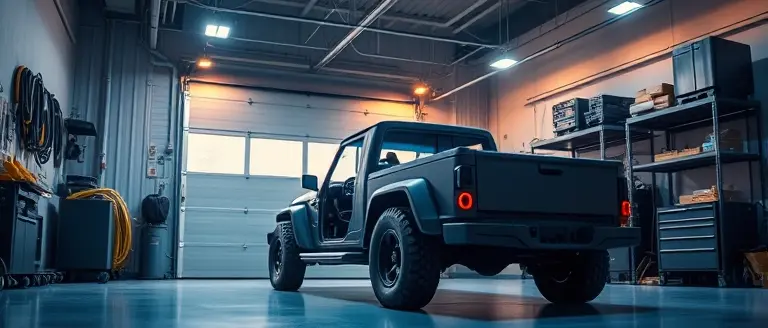
What truly sets the slate auto vision apart is its commitment to modularity. Unlike traditional pickup trucks that remain static throughout their lifecycle, this platform allows owners to convert the chassis from a utility-focused truck into an SUV form factor within the confines of a home garage. This DIY-friendly approach to vehicle configuration is designed to maximize long-term ownership value. Key features driving this “utility-first” movement include:
- Modular Architecture: Swap-in rear segments that transition the vehicle from a work-ready truck bed to a passenger-focused SUV configuration.
- NACS Charging Compatibility: Built-in standard integration ensures that owners have access to the most reliable charging infrastructure in North America.
- Simplified Serviceability: A commitment to a “Slate Certified” shop network aims to address common EV startup concerns regarding parts availability and repair lead times.
While skepticism persists within automotive forums regarding build quality and the long-term viability of a startup-led service model, the real-world performance data continues to draw significant attention. By focusing on essential needs—towing capacity, configurable cargo space, and a price-to-range ratio that competes with legacy automakers—the slate truck is forcing a critical conversation about the true necessity of high-cost EV components in the fleet and personal utility sectors. As production looms, the industry is watching closely to see if this promise of accessible modularity translates into a sustainable mass-market success.
Modularity in Practice: Redefining Vehicle Utility

The Slate truck distinguishes itself from the crowded electric vehicle market by prioritizing modularity over high-end performance metrics. While competitors focus on 0-60 times and luxury interiors, Slate Auto has engineered a utility-first platform that allows the vehicle to transition from a traditional pickup to an SUV configuration. This design choice is aimed at owners who require a workhorse during the week and a family hauler on the weekend, effectively challenging the traditional “single-use” vehicle ownership model.
The DIY Transformation Process
The core appeal of these slate trucks lies in the reported ease of the structural conversion. Early hands-on reports indicate that the modular components are designed for home-garage assembly, potentially removing the need for specialized dealer assistance. Key considerations for potential owners include:
- Tool Requirements: Evidence suggests the swap utilizes standardized hardware, minimizing the need for proprietary shop equipment.
- Time Commitment: Initial estimates for a full reconfiguration range from two to four hours, depending on individual mechanical proficiency.
- Structural Integrity: Critics and enthusiasts alike remain focused on how these modular connection points hold up under heavy payload or towing stress, a common point of discussion in slate auto enthusiast forums.
Utility-First Design Philosophy
Beyond the chassis swaps, the slate truck is built to be a configurable utility vehicle. By emphasizing serviceability, the company hopes to address the skepticism often directed toward EV startups. The vehicle’s architecture is designed for fleet managers and hobbyists who prefer manual oversight of their hardware. Because the base model starts at $24,950, this level of modularity offers a unique value proposition, allowing owners to customize their vehicle’s utility without paying a premium for features they do not need. Whether this DIY-centric approach translates to long-term durability in real-world conditions remains the defining question for the brand’s viability.
Fleet vs. Personal: Who is the Slate Truck Really For?
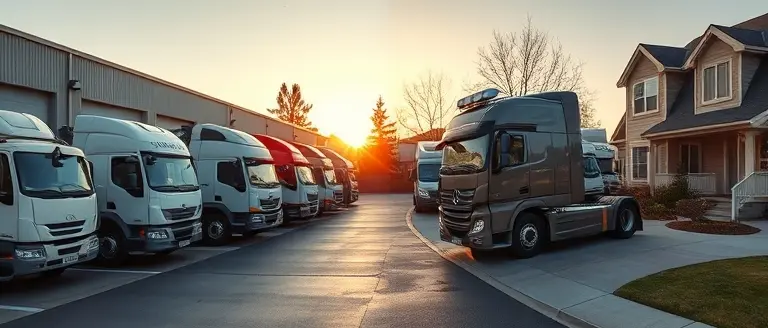
The Slate truck arrives at a unique crossroads in the automotive market, balancing the needs of rugged commercial fleets against the desires of budget-conscious personal buyers. While the headline-grabbing $24,950 base price positions this Slate auto offering as an accessible entry point for everyday drivers, its modular design and utilitarian aesthetic suggest it was engineered primarily for high-utility work environments. For fleet managers, the appeal lies in the low barrier to entry and the potential for reduced operational costs. By leveraging NACS charging compatibility and a simplified, ruggedized build, the vehicle aims to minimize downtime—a critical metric for any business operation.
However, the reality for personal consumers often differs from commercial requirements. Enthusiasts looking for a “daily driver” might be swayed by the innovative ability to convert the truck into an SUV, but they must weigh this against the inherent trade-offs.
Key Considerations for Diverse Use-Cases:
- Commercial Fleets: Benefit from the “Slate Certified” service network, which promises to streamline fleet maintenance through localized repair infrastructure. The modularity allows for specialized bed configurations, making it a versatile tool for tradespeople.
- Personal Enthusiasts: The 205-mile range is sufficient for urban commuting but may prove restrictive for long-distance road trips compared to established, higher-cost electric rivals.
- Total Cost of Ownership: Small business owners can potentially write off the vehicle as a commercial asset, whereas individual buyers should carefully analyze the long-term viability and parts availability of a startup manufacturer before committing.
Evidence suggests that while the Slate trucks lineup offers unmatched modularity, prospective buyers must evaluate if their primary use case demands the specialized utility of a fleet vehicle or the refined comfort typically found in the consumer EV segment. For the fleet operator, the economics of a sub-$25k utility vehicle are compelling; for the average driver, the decision rests on whether the unique “anti-Tesla” modularity outweighs the risks associated with a new brand’s service infrastructure.
The ‘Slate Certified’ Network: Assessing Infrastructure Viability

The launch of the Slate truck brings a disruptive promise: a modular, utility-first electric vehicle starting at just $24,950. However, the most significant hurdle for Slate Auto remains its unorthodox “Slate Certified” service strategy. Unlike traditional manufacturers that rely on expansive, capital-intensive dealership networks, Slate is opting for a decentralized approach, partnering with independent repair facilities to handle maintenance and repairs. This model aims to reduce overhead costs, which theoretically keeps the slate trucks affordable, but it has sparked intense debate among automotive enthusiasts and potential fleet buyers regarding long-term reliability and service consistency.
Can Decentralized Service Scale?
The viability of this network depends on the company’s ability to maintain rigorous quality control across a fragmented group of third-party shops. Skeptics point out that while the modular nature of the vehicle is designed for easier component replacement, the lack of proprietary, brand-exclusive service centers may lead to inconsistent customer experiences. For the slate auto model to succeed, the company must demonstrate:
- Standardized Training: Rigorous certification programs that ensure independent mechanics are fully equipped to handle EV-specific high-voltage systems.
- Parts Supply Chain: A robust logistics pipeline capable of delivering modular components to “Slate Certified” shops without the delays common in startup supply chains.
- Geographic Density: Sufficient coverage in major urban and rural markets to ensure that a broken-down vehicle isn’t left stranded far from an authorized repair point.
While the “utility-first” design language suggests that basic repairs could eventually be handled by owners or local garages, the complex electronics governing the powertrain and modular architecture require expert oversight. If Slate Auto fails to provide clear, accessible service documentation and reliable parts availability, the low entry price of the vehicle could quickly be offset by the frustration of inadequate post-purchase support. Evidence suggests that for this slate truck ecosystem to transition from a niche project to a mainstream fleet favorite, transparency regarding these service partnerships will be as critical as the vehicle’s MSRP.
Mastering the Future of Modular Utility
The Slate Truck represents a bold pivot in the EV landscape, prioritizing modular utility and long-term serviceability over high-end performance fluff. While the $24,950 entry price and the ability to transform your pickup into an SUV in your own garage are revolutionary, they demand more than just enthusiasm; they demand engineering precision. The success of your DIY conversion ultimately hinges on your ability to plan, measure, and execute modifications that maintain the vehicle’s structural integrity and safety standards.
While Slate Auto has engineered the modularity into the chassis, your garage is where that potential becomes reality. This is where the gap between a concept and a finished build is bridged. To ensure your home-garage modifications meet professional utility standards, you need the right technical framework. Ted’s Woodworking acts as the essential project management toolkit for the ambitious DIYer, providing thousands of professional-grade, step-by-step blueprints that eliminate technical uncertainty and costly errors in your custom builds.
Don’t let a lack of technical planning turn your dream conversion into a stalled project. Equip yourself with the documentation and expert-level drafting necessary to execute your vehicle modifications with the confidence of a seasoned pro. By mastering these foundational build techniques, you ensure that every modification is as reliable as the truck itself.
 Master your garage projects with precision: Get the professional-grade plans needed to tackle complex DIY builds with confidence.Yes, I Want to Build Like a Pro!