
As Europe grapples with a historic heat dome, temperatures soaring beyond 40°C have exposed a critical vulnerability: our infrastructure is simply not designed for the new, extreme reality of our summers. From the strained Paris metro to the withered vineyards of France and Italy, the excessive heat is no longer a fleeting anomaly; it is the definitive challenge of our time. While news outlets focus on the immediate health warnings and meteorological records, the silence regarding long-term, proactive adaptation is deafening. We are witnessing a systemic shift where relying on state-level infrastructure is becoming increasingly insufficient, placing the burden of thermal survival directly onto the individual.
The current climate crisis demands more than just endurance; it requires a radical rethink of our living environments. Transitioning from panic to preparedness means moving away from passive concern and toward actionable, structural resilience. In a world where Europe heat wave temperatures regularly threaten our safety and productivity, the ability to modify our own spaces—creating shade, improving ventilation, and implementing thermal shielding—has become the most vital defensive strategy for every homeowner. The path forward is no longer about waiting for change, but about building it with our own hands.
Europe’s Historic Heat Dome: Decoding the June 2026 Emergency
The June 2026 heat wave currently stifling Western and Central Europe represents a textbook “heat dome” event, where a high-pressure system traps hot air over the continent, creating a self-reinforcing cycle of rising temperatures. As of late June, large swaths of France, Germany, Italy, and the UK are enduring extreme excessive heat conditions, with regional thermometers shattering historical records to reach an unprecedented 40°C–45°C. This meteorologically trapped air prevents the natural movement of weather patterns, turning urban centers into heat traps that provide no respite even after sunset.
The impact of these Europe heat wave temperatures goes far beyond mere discomfort, triggering systemic failures across the region:
- Infrastructure Strain: Critical transport networks, including the Paris metro, are facing significant mechanical failures as materials reach their thermal threshold, leading to service suspensions.
- Public Health Crisis: Emergency services report a surge in heat-related illnesses. Tragically, reports confirm over 40 drowning-related fatalities in Francia as desperate residents seek relief in restricted or dangerous waterways.
- Agricultural Threats: Forbes and other industry monitors have issued urgent warnings for the viticulture sector. The sustained, extreme heat is placing immense stress on vineyards, threatening the yields of this season’s harvest.
The sudden shift in the climate baseline suggests that Northern and Western Europe are increasingly vulnerable to weather anomalies once considered unthinkable. While the immediate focus remains on the current emergency, the data clearly indicates a broader, more alarming trend. The disconnect between these soaring temperatures and the existing cooling infrastructure highlights a critical need for rapid adaptation. As governments issue heat alerts and citizens navigate the crisis, it is clear that the “new normal” for a European summer demands a significant shift in how the region approaches urban planning, public safety, and energy resilience in the face of a rapidly warming planet.
The European Survival Guide: Adapting to Infrastructure Not Built for Heat
As the recent heat wave across France, Germany, and Italy pushes temperatures toward the 45°C mark, many residents are realizing their homes—often built with thick masonry designed for heat retention—are trapping thermal energy like ovens. Without widespread air conditioning, navigating this excessive heat requires a shift toward passive cooling techniques. During the day, keep windows, shutters, and curtains tightly closed to block out radiant solar heat. The most effective strategy is the “night-flush” method: open all windows and interior doors only after the sun sets to allow cross-ventilation, then seal the envelope at dawn to trap cooler air inside.
Micro-Strategies for Indoor Cooling
When temperatures rise, traditional ventilation is often insufficient. To improve comfort without high-energy cooling units, utilize these methods:
- Evaporative Cooling: Hang damp, light-colored bed sheets over open windows or doorways. As the water evaporates, it draws heat out of the air, creating a localized drop in ambient temperature.
- Strategic Hydration: Avoid waiting for thirst; dehydration is a precursor to heat exhaustion. Consume electrolyte-rich fluids, as high Europe heat wave temperatures force the body to shed minerals through perspiration at an accelerated rate.
- Cooling Pulse Points: Apply cold compresses to the wrists, neck, and ankles, where blood vessels are closest to the skin, to help lower your core body temperature rapidly.
Navigating Urban Transit and Health Risks
Public transit systems, particularly older metro lines in cities like Paris, are struggling with the weather crisis, turning platforms into heat traps. If you must travel, carry a portable battery-powered fan and a chilled water bottle. Be hyper-aware of the early signs of heat-related illness, which include dizziness, confusion, or a rapid, weak pulse. If you suspect heat exhaustion, move to a shaded area immediately and seek medical attention, as drowning accidents and fatal collapses have been reported during this emergency-level event. Staying proactive and minimizing physical exertion during peak afternoon hours is no longer just a suggestion—it is a vital survival strategy for the new normal of European summers.
Socio-Economic Impacts: How Extreme Heat Disrupts Modern Life
The current excessive heat gripping Western and Central Europe is more than a temporary meteorological anomaly; it serves as a structural stress test for an economy traditionally built for temperate conditions. As Europe heat wave temperatures consistently breach 40°C to 45°C, the foundational pillars of regional prosperity—agriculture, tourism, and labor productivity—are undergoing a forced, rapid evolution. This “new normal” demands a fundamental rethinking of urban and industrial planning to prevent long-term systemic erosion.
Agricultural Vulnerability and Wine Economies
The agricultural sector, particularly the prestigious wine industry in France and Italy, is facing unprecedented threats. High-intensity heat spikes accelerate grape maturation prematurely, disrupting the delicate chemical balance required for quality viticulture. Beyond potential yield losses, the sector faces increased costs related to vineyard management, such as implementing shading techniques and heat-tolerant irrigation.
Workforce Productivity and Infrastructure Strain
The economic toll extends deep into the labor market, where uncooled infrastructure—common across Northern and Western Europe—has led to a sharp decline in output. Key sectors experiencing disruptions include:
- Outdoor Labor: Construction and logistics crews face restricted hours, directly impacting project timelines and GDP growth.
- Office Environments: Without widespread HVAC integration, corporate productivity drops as thermal discomfort reaches safety thresholds.
- Transportation: Extreme temperatures cause rail buckling and metro systemic failures, paralyzing commuter movement and supply chains.
The shift in the weather patterns observed during this heat wave highlights a critical vulnerability in European infrastructure. As evidence suggests these events will recur, the economic cost of inaction now far outweighs the capital expenditure required to retrofit buildings and modernize public systems. Adapting to this climate reality is no longer a policy choice, but a requirement for regional economic stability.
The Climate Reality: Moving From Crisis Management to Structural Adaptation
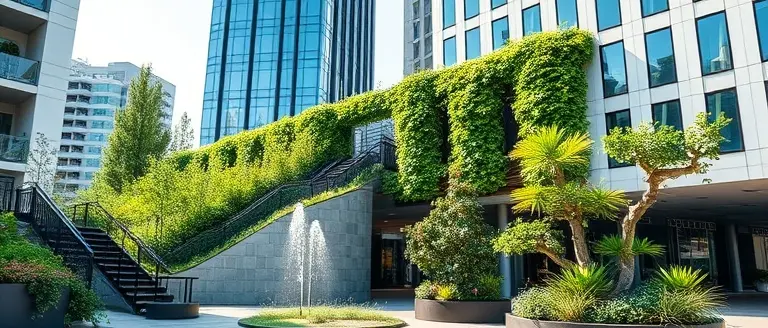
The current excessive heat gripping France, Germany, and the broader Europe heat wave temperatures landscape is no longer a statistical anomaly but a recurring climatic signature. As evidence from organizations like Severe Weather Europe indicates, atmospheric blocking patterns—or ‘heat domes’—are becoming more persistent. Moving beyond reactive crisis management requires a systemic pivot toward structural adaptation, recognizing that the infrastructure of Western Europe, historically designed for temperate climates, is currently ill-equipped for a permanent shift toward 40°C+ summer peaks.
Urban Resilience and Cooling Infrastructure
To mitigate the impact of extreme heat, urban planning must prioritize the reduction of the “urban heat island” effect. Policy shifts should focus on:
- Green-Roof Initiatives: Incentivizing the integration of vegetation on flat roofs to provide natural thermal insulation and cooling.
- Urban ‘Cool Islands’: Developing public spaces equipped with high-albedo surfaces, shade structures, and water misting systems to create pockets of thermal refuge.
- Systemic Grid Upgrades: Strengthening the regional energy grid to handle the exponential increase in cooling demand while transitioning toward decentralized, renewable-powered localized cooling solutions.
Long-Term Adaptation Strategies
Beyond policy, individual and community-level resilience is paramount. This includes retrofitting residential buildings with external shading devices, such as shutters and specialized glazing, which are significantly more energy-efficient than traditional air conditioning. Furthermore, economic sectors such as agriculture must adapt by cultivating heat-resistant grape varietals and implementing precision irrigation to protect the wine industry from ongoing excessive heat stress. By shifting focus from temporary emergency response to evidence-based, long-term climate integration, regions across the continent can build a resilient framework that sustains productivity and public health despite the changing climate reality. This proactive stance is the most effective defense against the climate anxiety currently prevalent in francia and beyond.
Taking Control: Building a Resilient Future at Home
The record-breaking heat waves hitting France and the rest of the continent serve as a stark reminder that our homes must evolve to meet the demands of a changing climate. While national infrastructure struggles to keep pace, the most effective resilience strategies are those implemented at the residential level. By creating high-quality shade structures, pergolas, and tactical cooling modifications, you can drastically reduce the thermal impact on your living space, moving beyond simple survival to genuine home comfort.
True resilience starts with taking immediate action, and building your own shade structures has never been more vital. While government systems lag behind, you have the power to transform your environment today. To help you bridge the gap between concern and structural adaptation, we recommend an expert-curated resource that provides the technical certainty you need. This ‘Tactical Toolkit’ enables you to rapidly construct high-quality, heat-resilient infrastructure—like custom pergolas and cooling shielding—without the need for professional builders.
By utilizing professional-grade blueprints, you turn passive climate anxiety into active home defense. This product is the essential partner for homeowners looking to future-proof their properties against the new normal of European summers, ensuring your outdoor and indoor spaces remain a sanctuary even when external temperatures reach their peak.
 Take control of your home’s climate resilience by accessing 16,000+ expert-tested plans for building your own DIY cooling and shade infrastructure today.Build My Climate Resilience Now!