

In the high-stakes arena of competitive gaming, knowledge is quite literally power. Whether you are obsessively analyzing Peterbot’s Fortnite tracker stats to deconstruct his movement or diving into the latest Jack in the Box minigame, staying ahead of the curve requires more than just raw mechanical skill. It demands a bird’s-eye view of your own performance data paired with an intimate understanding of the rapidly evolving seasonal meta.
For the modern player, the standard Fortnite tracker experience has evolved. It is no longer enough to simply check your K/D ratio or recent match history; you need a unified hub that connects those cold, hard numbers to the live, shifting events currently reshaping the island. This guide serves as your roadmap, bridging the gap between performance analytics and the real-time strategies required to dominate in today’s landscape.
The Evolution of Fortnite Tracking: From Stats to Community Culture
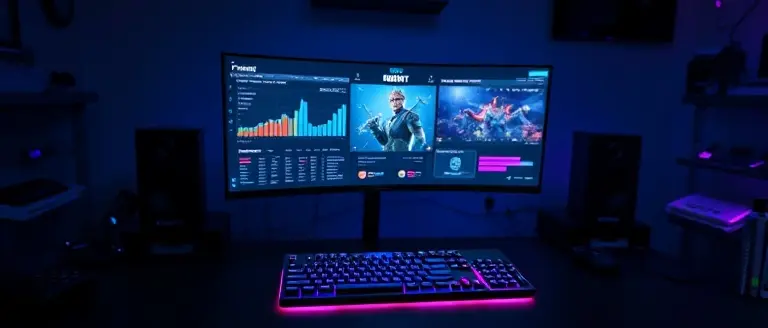
In mid-2026, the Fortnite tracker ecosystem has moved beyond simple win-rate logging to become a sophisticated hub for competitive analysis and real-time community engagement. Players no longer rely on trackers solely for personal performance metrics; they now use these tools to bridge the gap between amateur play and the professional circuit. As the gaming landscape evolves, high-intent users are increasingly seeking “all-in-one” platforms that display detailed pro stats—such as those belonging to top-tier competitors like Peterbot—alongside updates on seasonal map shifts and live events. This shift reflects a maturing player base that views the game as a dynamic, interconnected cultural ecosystem rather than just a battle royale title.
Data-Driven Insights and Brand Integration
The current demand for a reliable Fortnite tracker is fueled by a dual-interest in technical mastery and community participation. Evidence suggests that modern players treat trackers as navigational tools to stay updated on high-profile brand activations, such as the recent Jack in the Box minigames promotion. These integrated experiences change how players interact with the game, requiring them to monitor both their competitive rank and event-specific progress simultaneously. By leveraging professional-grade tracking tools, users can effectively maximize their efficiency in several key areas:
- Competitive Benchmarking: Analyzing high-level gameplay data to understand meta-shifts and optimal playstyles.
- Event Participation: Monitoring real-time status updates for brand-sponsored map events and seasonal rewards.
- Performance Optimization: Tracking personalized stats to refine aim, build speed, and survival consistency in ranked lobbies.
By positioning the Fortnite tracker as an essential navigational aid, players can gain a distinct advantage. Whether you are aiming to analyze the mechanics of a pro player’s last match or trying to locate the latest branded minigame on the map, these tools have become the backbone of an informed gaming strategy. Embracing this holistic approach ensures that you remain competitive in an environment where professional mastery and ephemeral content updates move at breakneck speed.
Analyzing the Best: How to Use Tracker Stats to Follow Pros Like Peterbot
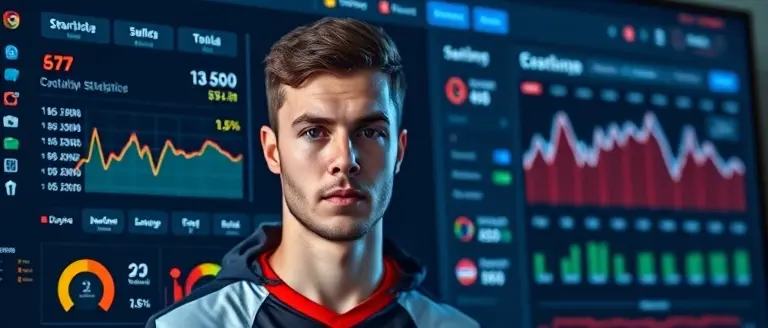
To effectively bridge the gap between casual play and professional mastery, utilizing a Fortnite tracker is essential for deep-diving into the habits of elite competitors. Players like Peterbot have set the benchmark for modern mechanical skill, and by analyzing their publicly available pro stats, you can gain actionable insights into current game metas. When reviewing high-level profiles, focus on core performance indicators that separate consistency from fleeting success. High K/D ratios are often the first metric observed, but in the current competitive landscape, they are secondary to win percentages in high-tier lobbies and seasonal tournament consistency. By tracking these players, you can observe how their drop patterns, loadout selections, and rotation strategies evolve alongside each major game update or promotional event.
Key Metrics for Competitive Analysis
When you examine a professional player’s dashboard, prioritize the following data points to understand how they influence the game meta:
- Average Placement: A reliable indicator of game sense and map rotation efficiency.
- Win Rate in Ranked/Tournaments: Demonstrates the ability to close out matches under high-pressure scenarios.
- Loadout Preference Trends: Observe which weapons or items appear consistently in their inventory across multiple weeks, signaling high-tier balance shifts.
- Seasonal Progression: Compare early-season performance to late-season totals to identify how quickly a pro adapts to new map changes or seasonal additions.
By regularly checking these stats, you move beyond simple curiosity and begin to identify the fundamental mechanics required for climbing the leaderboards yourself. Whether you are observing how top players engage with brand-integrated minigames or standard competitive playlists, a disciplined approach to data analysis helps translate professional performance into your own tactical growth. Treat these tracking tools as a bridge between high-level theory and your personal gameplay execution.
Jack in the Box and Beyond: Navigating the Latest Brand Activations

Modern Fortnite players often juggle the high-stakes environment of competitive rank grinding with the fluid, promotional landscape of live events. Recent trends, such as the partnership between Jack in the Box and Fortnite, demonstrate a shift toward branded minigames that reward player participation with exclusive seasonal items. While top-tier competitors like Peterbot continue to dominate the meta, casual and semi-pro players are increasingly using a Fortnite tracker not just for traditional stats, but to gauge their efficiency within these limited-time promotional modes. Bridging the gap between raw competitive data and event engagement is essential for players aiming to maximize their seasonal progression.
How to Engage with Branded Minigames
Participating in activations like the Jack in the Box collaboration requires a blend of standard battle royale skills and map-specific navigation. To ensure you are tracking your progress correctly, follow this roadmap:
- Locate Event Maps: Access the “Discover” tab within the Fortnite menu and search for the specific branded island code provided in the official event announcement.
- Performance Metrics: Many advanced Fortnite tracker tools are now integrating custom leaderboards for these minigames. Once you complete a match, check your site of choice to see how your time-to-completion or elimination counts rank against the global leaderboard.
- Maximize Rewards: Focus on completing the specific challenges tied to the branded activation early in the event window, as tracking platforms are most active during the first 72 hours of a new launch.
As the ecosystem evolves, your Fortnite tracker acts as a central hub for performance consistency. Whether you are analyzing professional replay files or simply tracking your points in a branded event, staying informed about these intersections of gameplay and marketing ensures you never miss a beat—or an exclusive reward—in the ever-changing Fortnite landscape.
Optimizing Your Season: Tracking Metrics That Actually Matter
Using a Fortnite tracker effectively is about more than just checking where you rank against pros like Peterbot; it is about gathering actionable intelligence to refine your own playstyle. To improve your performance in the current season, you must shift your focus from vanity numbers toward granular data that highlights your specific weaknesses. While many players fixate on their total win count, seasoned competitors prioritize survival time and placement consistency, as these metrics offer a clearer picture of your decision-making and rotation efficiency under pressure.
Key Performance Indicators for Self-Improvement
To make the most of your Fortnite tracker data, focus on the following metrics during your next session:
- Placement Consistency: Instead of chasing individual wins, look at your average placement. Consistently finishing in the top 10 indicates that your mid-game rotations and positioning are solid, even if you fall short in the final circle.
- Engagement-to-Survival Ratio: Compare how often you engage in combat versus your average survival time. If your stats show early-game exits, you are likely dropping into “hot zones” too frequently or failing to manage your looting pathing effectively.
- Loadout Efficiency: Review your recent match history to identify which weapon categories yield the highest damage output. If your tracker shows low efficiency with long-range snipers but high success with close-quarters utility, prioritize loadouts that play to your actual strengths.
By analyzing these metrics, you can create a feedback loop that transforms raw game data into a personalized training regimen. Integrating this approach with live experiences—such as the new Jack in the Box minigames—allows you to test these adjustments in a low-stakes environment before applying them to your competitive ranked climb. Always remember that the ultimate goal of a pro stats tracker is to provide a roadmap for your growth; use these insights to bridge the gap between casual gameplay and the high-level tactics seen in modern esports.
Unlock Your Peak Competitive Edge
Mastering your statistics and staying informed on event-specific mechanics is only half the battle. High-level competitive gaming is an exhaustive cognitive exercise that naturally leads to mental fatigue, effectively blurring your focus just when you need it most. When you are deep into a grind, trying to parse complex performance data or mastering a new event’s nuances, that ‘brain fog’ can be the difference between a victory royale and a defeat.
Tracking elite players like Peterbot isn’t just about the numbers; it is about the lightning-fast focus required to perform at that level. To truly reach the top of the leaderboard, you need a mental advantage that goes beyond the game itself. This is where The Brain Song becomes your essential secret weapon for mental endurance. By providing a scientifically-backed, non-intrusive way to clear cognitive clutter, it acts as a digital performance enhancer, ensuring you maintain the razor-sharp clarity required for long tournament sessions.
We have integrated this solution into our performance framework because it addresses the missing link in the gamer’s toolkit: sustainable cognitive stamina. Stop letting mental fatigue hold you back from your potential. It is time to optimize your session from the inside out, stay locked into your performance stats, and play with a level of focus your opponents simply cannot match.
 Optimize your focus for the next match: Listen to The Brain Song to clear the fog and hit your next high score.Activate My Peak Focus Now!