
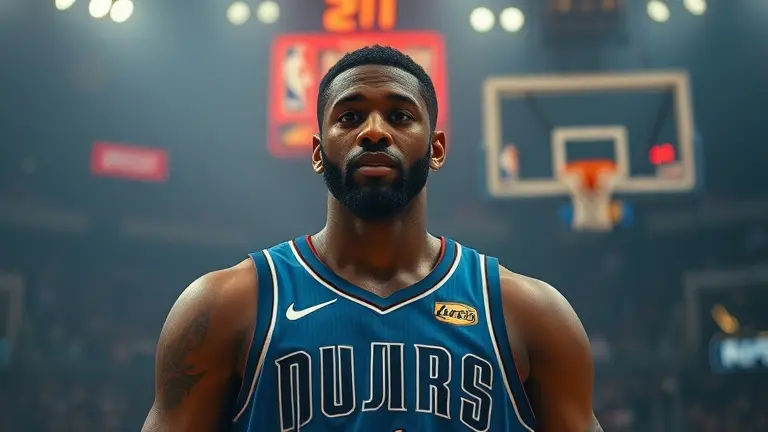
The 2026 NBA offseason has descended into a whirlwind of speculation, but behind the noise of viral social media rumors, a more complex reality is unfolding. While casual observers fixate on speculative trade scenarios involving stars like Kyrie Irving—who remains a foundational pillar for the Dallas Mavericks alongside rising talent Cooper Flagg—front offices are currently engaged in a clinical, high-stakes game of asset management. As data aggregators like HoopsHype illustrate, the path to contention isn’t paved with splashy, unfounded headlines; it is built through the meticulous analysis of salary caps, draft capital integration, and tactical need-based adjustments, much like the recent strategic shift observed in the Oklahoma City and Detroit deal.
For the true basketball analyst, this period is less about the ‘who’ and more about the ‘how.’ Success in the modern NBA requires an uncompromising commitment to a long-term plan, stripping away the friction of hearsay to focus on structural integrity. Just as a championship-caliber team succeeds by following a rigorous, proven roster-building blueprint, achieving mastery in your own projects requires moving beyond trial-and-error amateurism to a standard of professional-grade precision.
Navigating the 2026 NBA Offseason: The Truth Behind Trade Rumors
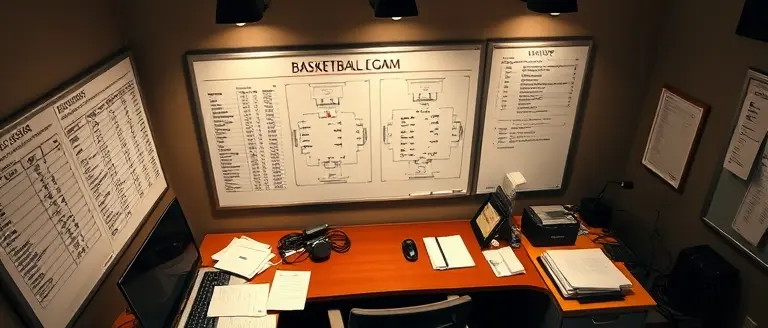
The current landscape of nba trades is characterized by a significant disconnect between high-velocity social media speculation and the calculated, long-term strategies utilized by front offices. As we navigate the 2026 offseason, fans are often bombarded with sensationalized headlines that prioritize engagement over front-office reality. A prime example of this trend is the persistent narrative surrounding Kyrie Irving. Despite recurring appearances in various trade rumor rankings—such as those aggregated by HoopsHype—the internal consensus within the Dallas Mavericks organization paints a vastly different picture. Evidence suggests that the Mavericks view Irving as a vital “cornerstone” player, serving as a seasoned veteran mentor and primary playmaker alongside their burgeoning young star, Cooper Flagg.
Distinguishing Speculation from Strategic Reality
To move past the noise, it is essential to view the offseason through the lens of salary cap flexibility and roster optimization rather than hypothetical blockbuster deals. Professional analysis requires a departure from clickbait and a focus on how teams—such as those following the recent blueprint established by the Oklahoma City Thunder’s personnel adjustments—manage their assets. Effective team building is currently defined by:
- Financial Discipline: Utilizing salary cap data to weigh the benefit of veteran contracts against the need for depth.
- Draft Asset Integration: Managing high-value picks (such as the Mavericks’ selections at Nos. 9, 30, and 48) to complement established cores.
- Need-Based Transactions: Moving role players to address specific tactical deficiencies, as seen in June’s official roster adjustments.
By prioritizing data-driven insights over unsubstantiated gossip, stakeholders can better understand how contending teams balance the high-stakes pressure of an evolving league with the necessity of maintaining stability. The truth is that while the rumor mill remains active, elite franchises like Dallas are focused on building sustainable championship windows rather than dismantling their core pillars for short-term fixes.
The Strategic Blueprint: Analyzing Need-Based Transactions
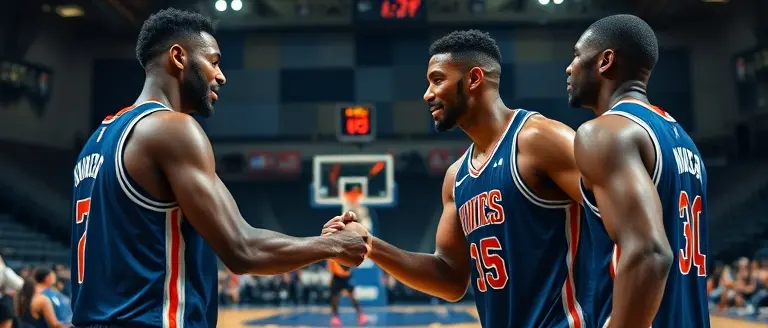
Modern nba trades are rarely about the blockbuster player-for-player swaps that dominate social media feeds. Instead, front offices are increasingly focused on granular, need-based transactions designed to optimize salary cap flexibility and address specific depth chart imbalances. A prime example is the recent move involving the Oklahoma City Thunder and Detroit Pistons, which saw Isaiah Joe moved to bolster Detroit’s rotation. This transaction highlights a shift away from high-profile acquisition and toward systemic roster balancing, where teams prioritize long-term asset management over immediate, reactionary headlines.
Mastering Roster Balancing and Asset Management
By analyzing data from aggregators like HoopsHype, it becomes clear that teams often initiate trades to clear cap space or secure draft capital before major roster overhauls. Unlike the persistent, speculative trade rumors surrounding established stars—such as the unfounded noise involving Kyrie Irving—these tactical moves are rooted in cold, calculated financial necessity. Front offices evaluate the “opportunity cost” of every contract, ensuring that role players align with the team’s championship window.
Strategic advantages of this approach include:
- Cap Efficiency: Shedding salary in exchange for second-round picks or trade exceptions allows teams to retain financial maneuverability under the new collective bargaining agreements.
- Positional Depth: Acquiring players who fill specific tactical gaps—such as perimeter defense or floor spacing—often produces more wins than chasing a singular, high-usage star.
- Long-Term Sustainability: Prioritizing draft equity (like the Dallas Mavericks holding picks Nos. 9, 30, and 48) allows franchises to integrate youth alongside established cornerstones like Irving and Cooper Flagg.
Ultimately, successful organizations view the trade market as a lever for internal growth rather than a quick fix. By moving past the speculative “noise” found in trade rumors, analysts can better appreciate how depth-focused moves define the competitive landscape of the 2026-27 season.
HoopsHype Salary Cap Insights: Who Has the Flexibility to Move?
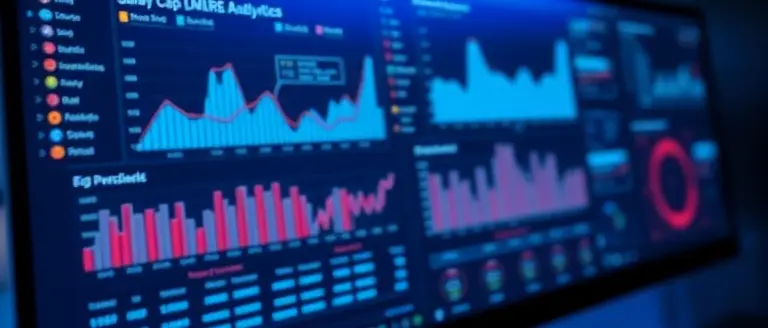
Navigating the complexities of NBA trades in the current landscape requires more than just analyzing player performance; it demands a granular understanding of the restrictive salary cap environment dictated by the latest collective bargaining agreement. Utilizing data from HoopsHype, front-office executives and savvy fans alike are shifting their focus away from unrealistic blockbuster speculation toward the tangible math of salary slots. While the trade rumor mill often links high-profile stars like Kyrie Irving to various rosters, the reality of the 2026 offseason suggests that most contender-level moves are dictated by “apron” limitations rather than mere desire. Teams residing above the second apron face severe restrictions, effectively stripping them of the ability to aggregate salaries or utilize trade exceptions, which renders many sensationalist headlines physically impossible under current league rules.
Cap Space vs. Apron Restrictions: The New Reality
Understanding the financial stratification of the league is essential for predicting legitimate team activity. The current market is bifurcated into two distinct categories:
- Cap-Space Teams: Franchises with significant room under the salary floor are the primary drivers of league-wide movement. These teams act as salary-clearing houses, often taking on unwanted contracts in exchange for draft assets—a strategy exemplified by recent activity where teams offload depth to gain flexibility.
- Apron-Restricted Teams: Contenders, including the Mavericks and other top-tier squads, must operate within rigid guidelines. These teams are often prohibited from taking back more salary than they send out, forcing them to pursue “need-based” trades that prioritize roster balance over raw talent aggregation.
Evidence suggests that the most successful organizations this summer will be those that effectively balance their cap sheets while integrating high-value draft picks. Rather than chasing unsustainable trade scenarios, fans should monitor how teams leverage mid-level exceptions and veteran minimum contracts to build around their established cornerstones. By anchoring your expectations in HoopsHype salary data, it becomes clear that “need-based” movement, rather than star-driven upheaval, will define the 2026-27 roster-building cycle.
Roster Stability vs. Evolution: Why Pillars Matter
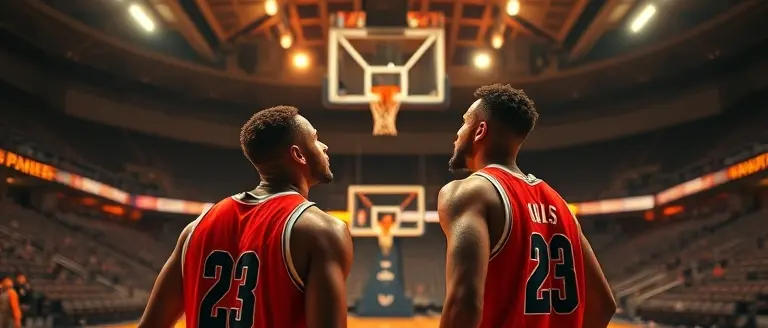
In the hyper-active landscape of nba trades, the temptation for front offices to overhaul rosters after a playoff exit is immense. However, the most successful championship contenders recognize that long-term success relies on maintaining a stable core of “cornerstone” players. By fostering chemistry and tactical familiarity among elite stars, teams can build a sustainable championship window rather than chasing short-term fixes. The Dallas Mavericks serve as a prime case study for this philosophy; despite persistent, speculative chatter surrounding Kyrie Irving in league-wide rumor mills, the organization views him as an immovable pillar. Pairing Irving’s seasoned veteran leadership with the explosive potential of rising star Cooper Flagg provides the Mavericks with an identity that would be foolish to dismantle for marginal gains.
The Strategic Value of Continuity
Modern hoopshype data analysis consistently demonstrates that teams with high “roster continuity” ratings tend to perform better during the grueling 82-game regular season and subsequent postseason runs. While peripheral bench depth is often rotated to address salary cap constraints or specific matchup deficiencies, the core leadership structure must remain untouched to ensure tactical cohesion.
- Tactical Consistency: Retaining core stars like Irving and Flagg allows the coaching staff to install complex, multi-year systems that rely on high-level basketball IQ rather than simple individual brilliance.
- Cap Management: Leveraging veteran pillars allows front offices to forecast their salary cap flexibility more accurately, using draft picks—such as the Mavericks’ holdings at Nos. 9, 30, and 48—to fill gaps around an established foundation rather than restructuring the entire hierarchy.
- Psychological Buy-in: When players know the front office is committed to the core, it creates a culture of accountability and collective focus, significantly lowering the noise caused by external media speculation.
By prioritizing this stability, contending teams can look past the churn of the offseason and focus on surgical, need-based roster improvements that complement their stars rather than replacing them. Evidence suggests that true championship evolution is not found in blockbuster trades, but in the intelligent surrounding of established cornerstones with high-value role players.
Crafting Your Own Championship-Caliber Results
As we have explored, the difference between a team that sustains success and one that drifts into rebuilding is the quality of its blueprint. By moving beyond the speculative noise and focusing on the granular realities of salary cap management and strategic asset deployment, front offices transform potential into performance. This same principle of elite-level planning is the secret to success in any complex undertaking, particularly when your goal is to build something lasting and meaningful in your own workshop.
You wouldn’t expect an NBA general manager to build a roster based on guesswork or incomplete data, so why settle for anything less when it comes to your own DIY projects? Much like a professional front office relies on proven organizational frameworks, you need a reliable, professional-grade resource to eliminate the frustration of failed attempts. Ted’s Woodworking offers exactly that—a comprehensive repository of over 16,000 workshop-tested designs that turn the complexity of building into a simple, error-proof process, providing the professional utility you demand for your high-value projects.
By choosing the right blueprints, you are doing more than just starting a project; you are applying the same analytical rigor to your personal craft that the world’s most successful teams apply to their rosters. Stop leaving your results to chance and start building with the confidence of an architect. Elevate your standards, eliminate costly mistakes, and gain the advantage of professional expertise in every cut and joint you make.
 Stop relying on incomplete, amateur trade rumors or DIY plans—click here to access the professional-grade ‘Offseason Blueprint’ for your next woodworking project.Yes, I Want Professional Results Now!