
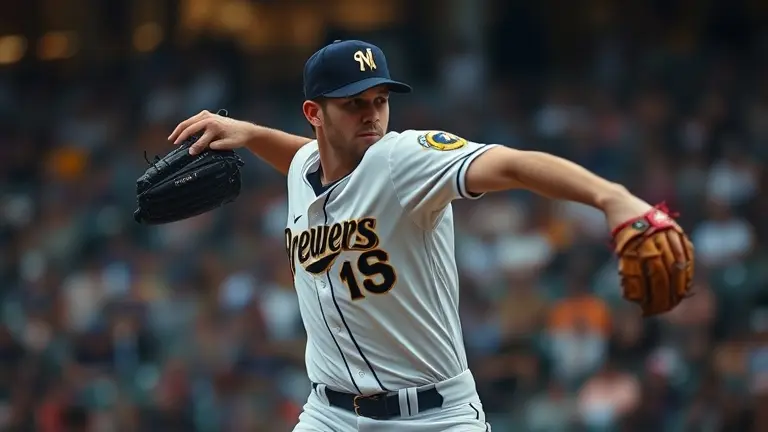
When the Chicago Cubs faced the Milwaukee Brewers on June 26, 2026, the game was supposed to be just another chapter in a storied divisional rivalry. However, the atmosphere shifted instantly when Brewers pitcher Jacob Misiorowski unleashed a fastball that defied logic, clocking in at a blistering 105.5 mph. This singular, high-velocity moment, followed by Garrett Mitchell’s decisive home run in the 6-2 victory, transformed a standard divisional matchup into a landmark event for Statcast enthusiasts and baseball purists alike. Beyond the box score, it was a display of physical and neurological capability that forces us to re-examine the outer limits of human performance on the diamond.
The science behind such extreme velocity isn’t just about raw muscle; it requires an elite, split-second synergy between the pitcher’s mechanics and the batter’s cognitive processing speed. For fans watching at home, keeping up with these lightning-fast exchanges demands a level of mental acuity that few possess naturally. As we dive into the physics of this historic performance, we uncover exactly why modern baseball is trending toward a game defined by microscopic margins and the urgent need for peak cognitive focus to truly appreciate the action.
Recap: Brewers Dominate Cubs in June 26 Showdown
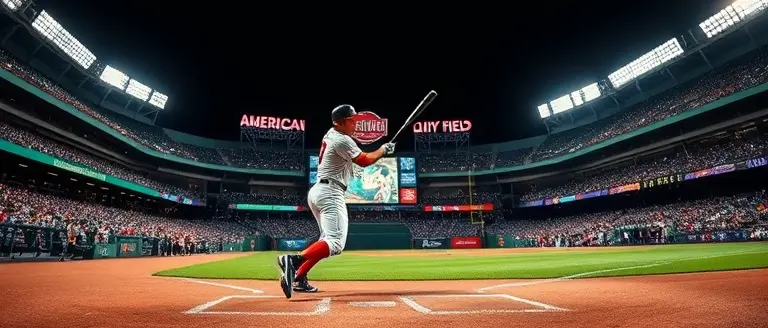
The cubs vs brewers matchup on June 26, 2026, served as a definitive statement for Milwaukee, as they secured a commanding 6-2 victory at home. This game, which quickly became the centerpiece of the ongoing series, showcased a lethal combination of elite pitching and timely hitting that has come to define the Brewers’ seasonal trajectory. While Chicago attempted to stay competitive early, the sheer force of Milwaukee’s pitching staff proved too much to overcome, shifting the momentum of the series in favor of the home team.
Turning Points and Key Performances
The game was defined by several high-impact moments that shifted the outcome decisively. Garrett Mitchell provided the offensive spark the Brewers needed, delivering a pivotal home run that effectively dismantled the Cubs’ pitching efforts and broke the game open. However, the true viral moment—and the highlight driving current sports discourse—was the otherworldly performance by Jacob Misiorowski. During a critical stretch of the contest, Statcast metrics recorded Misiorowski hitting an astonishing 105.5 mph on the radar gun. Such extreme velocity is a rarity in Major League Baseball, placing him in an elite class of fireballers and providing fans with an unforgettable highlight reel moment.
The 6-2 win was not merely a one-off result; it represented a broader trend in how the brewers game strategy is unfolding this year. By leveraging breakout performances from young talent like Misiorowski alongside steady offensive production from players like Mitchell, the Brewers are positioning themselves as a formidable force in the National League Central.
Key takeaways from the June 26 clash include:
- Offensive Momentum: Garrett Mitchell’s home run proved to be the psychological breaking point for the Cubs.
- Elite Velocity: Jacob Misiorowski’s 105.5 mph pitch captured national attention, highlighting the team’s dangerous bullpen depth.
- Series Outlook: The victory serves as a crucial data point for those tracking the series, as Milwaukee continues to build confidence against their division rival.
As the series continues, the focus remains on whether the Cubs can adjust to this level of high-velocity pitching or if the Brewers’ current momentum will carry them further up the standings.
The 105.5 MPH Phenomenon: Jacob Misiorowski’s Historic Night
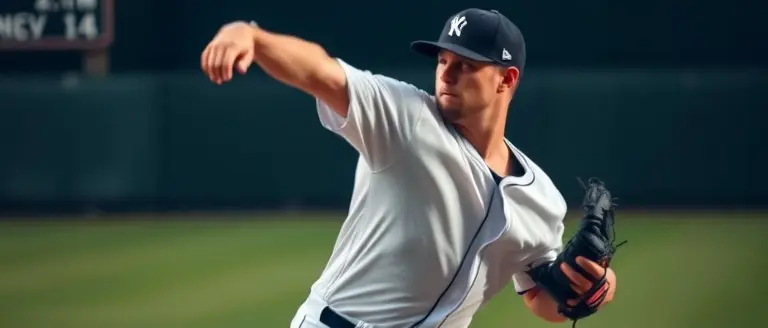
The June 26, 2026, cubs vs brewers matchup will be remembered not just for the final score, but for a singular, earth-shattering moment of athletic excellence. Milwaukee Brewers pitcher Jacob Misiorowski turned the sports world upside down when he clocked an eye-popping 105.5 mph on the radar gun. This rare display of elite velocity instantly became the centerpiece of the brewers game coverage, circulating across social media platforms as fans scrambled to witness the sheer physics-defying speed of the delivery. Statcast data confirms that such readings are virtually unprecedented in the modern era, placing Misiorowski in an elite, microscopic tier of flamethrowers in Major League Baseball history.
Why 105.5 MPH Represents a New Frontier
To understand the gravity of this pitch, one must look at the constraints of human performance and biomechanics. Achieving speeds north of 105 mph requires a rare synergy of arm speed, kinetic chain efficiency, and raw explosive power.
- The Statcast Edge: While high-90s velocity has become the baseline for modern relief pitchers, breaking the 105 mph barrier puts Misiorowski in conversation with the hardest-throwing arms to ever grace a professional mound.
- Impact on the Cubs vs Brewers Series: Beyond the viral nature of the clip, this performance demoralized the Chicago lineup, providing the Brewers with a psychological edge that helped secure their 6-2 victory.
- Physics of Pitching: The late movement often associated with extreme velocity makes these pitches nearly impossible to square up. When combined with a high-profile division rivalry, the spectacle highlights why the league’s focus has shifted toward individual, high-octane talent breakouts.
This historic night serves as a testament to the Brewers’ development pipeline. As the series continued, the buzz surrounding Misiorowski’s velocity remained a primary driver of betting interest and analytical deep-dives, cementing his breakout performance as the defining narrative of the weekend.
Strategic Betting Insights for Cubs vs. Brewers Rivalry
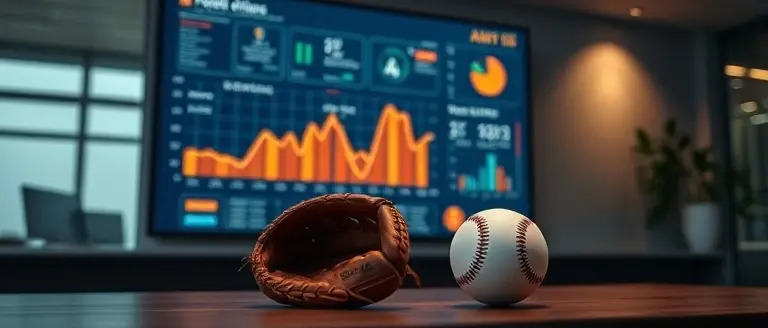
When analyzing a cubs vs brewers matchup, bettors must move beyond surface-level records to identify underlying performance trends that dictate game outcomes. The intensity of NL Central rivalries often leads to high-leverage bullpen usage and strategic roster adjustments that savvy bettors can exploit. Recent data, such as the blistering 105.5 mph performance by Jacob Misiorowski, serves as a reminder that individual player volatility—particularly among high-velocity relievers—can drastically alter the expected outcome of late-inning wagers.
Monitoring Performance Metrics for Value
To find an edge in a brewers game or a Cubs series, consider integrating the following Statcast-backed indicators into your decision-making process:
- High-Velocity Volatility: Pitchers hitting extreme radar readings are high-variance assets. While they provide elite strikeout potential, the energy expenditure required for such velocity can lead to mechanical fatigue, making them vulnerable in high-leverage situations against disciplined hitting squads.
- Home Run Splits: Identify teams that prioritize launch angles against specific pitching profiles. For example, hitters like Garrett Mitchell have shown a propensity for delivering game-changing hits in this series, suggesting that team-specific prop bets on total bases or home runs carry significant value when facing high-strikeout, high-velocity pitchers.
- Bullpen Efficiency: Because these teams are divisional rivals, managers often rely on familiar tactical patterns. Look for “bridge” pitchers who carry high WHIP stats against specific opponents; betting on early-inning leads is often negated by late-game bullpen exposure if the secondary pitchers lack consistency.
Data-driven betting requires looking at the “why” behind a final score like 6-2. By focusing on player-specific breakout moments rather than just the final box score, you can better predict future performance trajectories and capitalize on market mispricing before the next series begins. Always evaluate the pitching trajectory over the last five starts, as momentum in the NL Central is frequently dictated by rotation depth and timely situational hitting.
The Future of Sports Coverage: Why Clip-First Strategies Win

The media landscape for Major League Baseball has shifted dramatically, moving away from legacy box-score journalism toward a high-velocity, digital-first model. When analyzing the recent cubs vs brewers series, it becomes clear that static recaps no longer capture the attention of modern fans. Instead, engagement is driven by “clip-first” strategies that prioritize viral moments—such as Jacob Misiorowski’s jaw-dropping 105.5 mph fastball. By centering content around these high-impact highlights, media outlets can translate fleeting social media buzz into sustained readership, effectively bridging the gap between passive viewers and invested fans.
Leveraging Data to Enrich Narrative Depth
Integrating advanced Statcast metrics is no longer a luxury; it is a necessity for establishing authority in sports reporting. When a specific brewers game features a record-breaking performance, fans demand more than just the final score of 6-2. They seek the physics behind the play, the velocity trends, and the statistical rarity of the event. Data-rich storytelling allows analysts to provide context that generic summaries lack:
- Contextualizing Velocity: Breaking down how a 105.5 mph pitch compares to league averages.
- Player Trajectory: Connecting a single breakout moment to a player’s broader season-long progression.
- Actionable Insights: Providing betting-related trends that satisfy the investigative intent of the modern sports consumer.
This pivot toward data-integrated clips ensures that content remains “evergreen” even after the initial game day passes. By combining raw video power with analytical depth, publishers create a more robust user experience that rewards the fan’s curiosity. Ultimately, the future of sports coverage belongs to those who treat every play not just as a statistic, but as a compelling visual narrative backed by the objective truth of advanced sports technology.
Unlock Your Peak Mental Precision
The Brewers’ 6-2 win and Misiorowski’s historic radar reading represent the bleeding edge of professional sports. To witness a ball moving at 105.5 mph is to observe the absolute limit of human reaction time, where the gap between success and failure is measured in milliseconds. This level of intensity highlights that watching modern baseball is no longer just a passive hobby; it is a high-stakes cognitive experience that rewards those with the fastest neurological processing speeds.
Tracking a ball moving at 105.5 mph requires more than just good vision; it demands peak neurological processing speed, which is why many fans are turning to neuro-optimization tools to sharpen their own focus. This is where The Brain Song becomes an essential training companion for the modern sports analyst. By utilizing neuroscience-based auditory stimulation, it helps reduce cognitive fog and elevates your ability to track complex plays, helping you see the game with the same sharp clarity that professional scouts and players rely on daily.
By integrating this 12-minute daily routine into your pre-game ritual, you aren’t just watching the highlights—you are training your brain to keep pace with the fastest athletes on the planet. It is the perfect bridge between physical sports performance and the mental sharpness required to analyze the game’s deepest data. Don’t let the fastest plays in baseball blur past you; take control of your cognitive performance today.
 Optimize your own cognitive focus to keep up with the fastest plays in baseball; start your 12-minute daily routine with The Brain Song today.Transform My Mental Focus Now!