
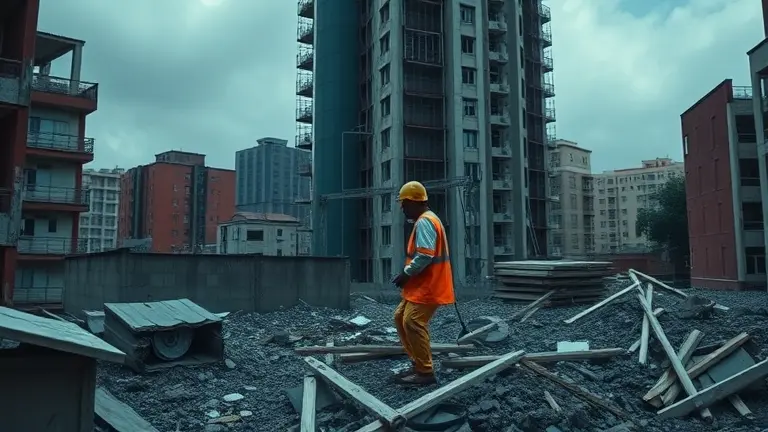
On June 24, 2026, the San Felipe region of Venezuela was shattered by a rare and devastating seismic “doublet,” featuring back-to-back earthquakes of 7.2 and 7.5 magnitude. This unprecedented event has turned cities into zones of ruin, with the confirmed death toll surpassing 1,430 and thousands still waiting for word on over 68,900 missing individuals. As rescue teams battle the daunting task of clearing collapsed high-rises—structures that proved tragically inadequate against the violent earth shifts—the nation faces its deadliest natural disaster in over a century.
Beyond the harrowing statistics and the urgent humanitarian crisis, a critical question emerges regarding the structural integrity of the built environment. Why did so many buildings succumb to these forces? As we analyze the catastrophic failure of infrastructure on soft soil, it becomes chillingly clear that the difference between survival and sudden collapse often rests on the rigor of the structural design and the uncompromising precision of the build itself.
The June 2026 San Felipe Earthquake: A Historic Seismic Event
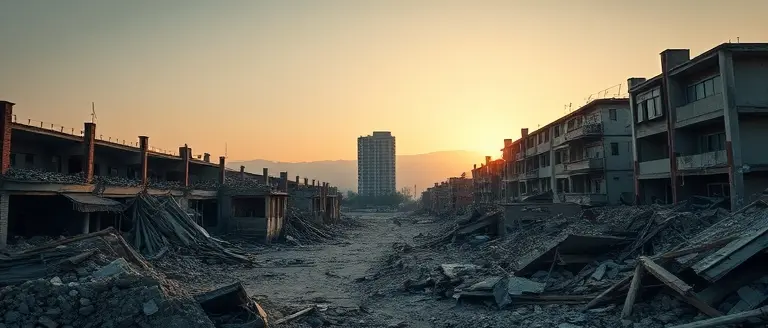
On June 24, 2026, the nation of Venezuela was struck by a rare and devastating seismic “doublet” that has fundamentally altered the region’s landscape. The disaster originated in the San Felipe region, where two back-to-back tremors of magnitudes 7.2 and 7.5 shook the earth, causing widespread structural failure. Geologists characterize this event as a highly unusual back-to-back seismic occurrence, which significantly compounded the damage to buildings already prone to failure on the area’s soft, unstable soil. This tragic earthquake in Venezuela now stands as the deadliest seismic event in the country in over a century, marking a dark chapter in its modern history.
The Scale of the Humanitarian Crisis
The immediate aftermath has been characterized by a race against time and limited resources. Official reports as of June 28, 2026, confirm that the Venezuela earthquake death toll has reached at least 1,430 people, with an additional 3,200 individuals sustaining injuries. The logistical challenges facing rescue teams are immense, as debris from collapsed high-rise structures has complicated access to the hardest-hit zones. Key statistics concerning the scope of the emergency include:
- Casualty Figures: Confirmed deaths stand at 1,430, with 3,200 documented injuries requiring urgent medical intervention.
- Missing Persons: Rescue operations are currently prioritizing the search for approximately 68,900 missing individuals.
- Infrastructure Collapse: Tall, densely populated buildings sustained catastrophic damage, primarily due to poor structural resilience against such high-magnitude events.
As the international community mobilizes to assist, the focus remains on the ongoing search-and-rescue window. The severity of this earthquake has strained local infrastructure to its limit, leaving thousands of families displaced and demanding immediate humanitarian support. Experts continue to monitor the region for aftershocks while humanitarian corridors remain a top priority to facilitate the delivery of aid to those affected by this unprecedented disaster.
Understanding the ‘Doublet’ Seismic Phenomenon

The recent Venezuela earthquake events have drawn global attention to a rare and devastating geological occurrence known as a seismic “doublet.” In seismology, a doublet refers to two major earthquakes of similar magnitude occurring in close geographical proximity within a short timeframe. On June 24, 2026, the San Felipe region experienced this phenomenon when a 7.2 magnitude shock was followed rapidly by a 7.5 magnitude tremor. Unlike a traditional aftershock, which is typically smaller than the initial rupture, a doublet involves two distinct, high-energy events that place immense, back-to-back stress on the Earth’s crust and local infrastructure.
The Mechanics of Structural Failure
The primary danger of a doublet event lies in the cumulative damage inflicted on buildings. When the first 7.2 magnitude quake struck, it likely compromised the structural integrity of many tall buildings, creating invisible fractures and weakening critical support columns. Before emergency responders or residents could react, the second 7.5 magnitude quake delivered a massive strike to already compromised foundations. This “one-two punch” effect is a leading theory for the current venezuela earthquake death toll, as structures that might have survived a single event failed catastrophically under the subsequent, more intense force.
Soil Composition and Vulnerability
Geological factors further exacerbated the disaster in the San Felipe area. Much of the region is characterized by soft soil deposits, which are notorious for amplifying seismic waves. Experts note that:
- Soil Liquefaction: The soft, water-saturated ground acts like a fluid during intense shaking, causing buildings to tilt or sink suddenly.
- Wave Amplification: Soft soil behaves differently than bedrock, often slowing down seismic waves while significantly increasing their amplitude, which leads to more violent ground motion.
- Resonance Effects: Tall buildings situated on soft soil are susceptible to resonance, where the frequency of the ground motion matches the natural sway of the building, leading to total structural collapse.
The combination of the rapid-fire doublet and the region’s unique soil profile created a worst-case scenario for earthquake Venezuela urban centers. By understanding these mechanics, engineers and urban planners can better prioritize retrofitting efforts in high-risk zones to mitigate future casualties from these complex seismic events.
Humanitarian Relief Efforts and Recovery Timeline
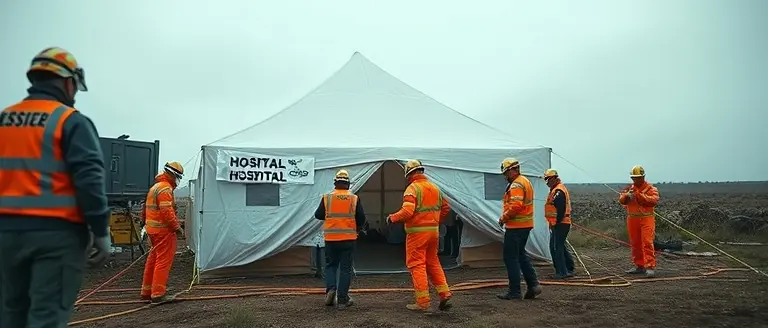
In the wake of the catastrophic Venezuela earthquake that struck on June 24, 2026, a massive international humanitarian mobilization is currently underway. As rescue operations transition into a critical recovery phase, global aid organizations and search-and-rescue teams have converged on the San Felipe region to assist local authorities. The focus remains heavily on the 72-hour survival window, despite the immense logistical hurdles posed by widespread infrastructure collapse and debris that has rendered many urban arterial roads impassable. With the current venezuela earthquake death toll reaching at least 1,430, responders are prioritizing the establishment of field hospitals to manage the more than 3,200 reported injuries and prevent the spread of secondary health crises.
Key Milestones in the Relief Response
The international community has fast-tracked support to address the scale of this earthquake in Venezuela. Coordination efforts are being managed through a centralized command structure to ensure transparency and efficiency. Notable developments in the recovery timeline include:
- Deployment of Specialized Teams: Urban search and rescue (USAR) units from neighboring nations have utilized thermal imaging and acoustic sensors to locate survivors trapped beneath the wreckage of high-rise structures.
- Establishment of Medical Hubs: Emergency mobile clinics are operational, providing trauma care and surgical interventions for those rescued from the rubble.
- Logistical Clearing Operations: Heavy machinery is being diverted to clear primary supply routes, allowing food, clean water, and medical supplies to reach the most affected districts.
- Missing Persons Registry: A unified database is being populated to help families reunite and track the status of the estimated 68,900 individuals currently unaccounted for.
Humanitarian partners continue to emphasize that the recovery process will be a long-term undertaking. Experts caution that structural vulnerability, particularly in buildings constructed on soft soil, complicates the cleanup, as remaining structures face ongoing instability from potential aftershocks. Survivors are urged to rely only on verified updates from official government channels and recognized international NGOs to avoid the proliferation of misinformation during this delicate humanitarian window. Public support, specifically through established aid agencies, remains the most effective way for the global community to contribute to the ongoing stabilization of the region.
How to Support and Provide Aid Safely

In the aftermath of the devastating venezuela earthquake, the global community has mobilized to assist those affected by this unprecedented seismic event. As recovery efforts continue in the San Felipe region, it is critical that international support is channeled through verified, established organizations. Providing aid safely requires prioritizing financial contributions over physical goods, as unsolicited shipments of supplies can overwhelm local infrastructure, clog critical supply chains, and divert resources away from professional search-and-rescue teams.
Prioritizing Monetary Donations
To maximize the impact of your support, experts recommend donating cash to reputable, large-scale humanitarian organizations. Monetary aid allows relief agencies to purchase specific, locally sourced supplies that meet the immediate needs of survivors, such as clean water, medical kits, and temporary shelter materials. When selecting where to donate, look for established entities with a proven track record of transparency and rapid response in South America. Organizations currently coordinating recovery efforts include the International Federation of Red Cross and Red Crescent Societies (IFRC), the World Food Programme (WFP), and local branches of civil protection agencies.
Vetting Charities and Avoiding Scams
During high-profile disasters like the earthquake venezuela event, fraudulent solicitations often emerge. To protect your contributions and ensure they reach the intended victims, follow these safety protocols:
- Verify Charity Status: Use resources like Charity Navigator or GuideStar to confirm the legitimacy and financial health of any organization before donating.
- Avoid Unsolicited Links: Do not click on links sent via text or social media messages; always navigate directly to the official website of the non-profit.
- Question Pressure Tactics: Be wary of organizations that demand immediate payment through wire transfers or gift cards, as these are common indicators of a scam.
- Prioritize Local Impact: Support groups that have direct operational access to the affected areas, ensuring your funds bypass unnecessary bureaucratic layers to assist the most vulnerable.
By adhering to these guidelines, you ensure that your contribution effectively supports the venezuela earthquake death toll recovery efforts and aids the thousands currently displaced by this historic disaster. Focus your efforts on reliable, verified conduits to guarantee that aid reaches the front lines of the humanitarian response.
Building Resilience Through Engineering Standards
The tragedy in Venezuela highlights a stark reality: when Mother Nature strikes, the quality of our craftsmanship becomes a literal matter of life and death. The widespread failures seen in recent days remind us that building safety is not merely about aesthetic design, but about the fundamental adherence to engineering principles, material reliability, and precise structural execution that can withstand extreme environmental stress.
Understanding the difference between amateur construction and professional-grade structural integrity is essential for anyone involved in building or property maintenance. It is in this light that we recommend exploring Ted’s Woodworking. While these plans are designed for craftsmanship, they serve as a masterclass in the necessity of ‘workshop-tested’ precision, demonstrating how correct measurements and robust structural planning prevent the kind of compromises that lead to collapse in seismic-prone zones.
By prioritizing professional standards over dangerous shortcuts, we can advocate for a safer future in construction. Learn more about the importance of precise structural planning and engineering standards for building resilience. Whether you are a professional or an enthusiast, adopting a mindset of structural integrity is the first step toward lasting safety.
 Learn more about the importance of precise structural planning and engineering standards for building resilience.Master Structural Precision Today!