
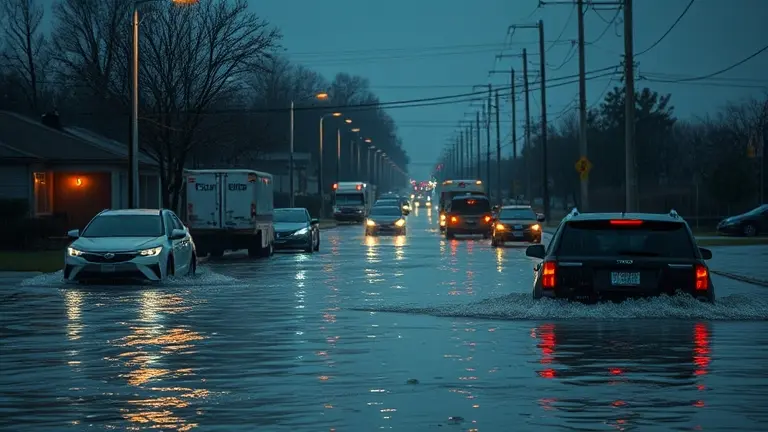
On June 27, 2026, a catastrophic weather event unleashed life-threatening flash flooding across central Kentucky, leaving communities in Madison County and the Louisville metro area reeling. Driven by relentless, high-intensity thunderstorms, the deluge has transformed streets into rivers, forcing emergency crews into a grueling 24-hour cycle of rescues and search operations. As Governor Andy Beshear declares a state of emergency, the heartbreaking reality of four confirmed fatalities and countless families stranded in their homes underscores the severity of this ongoing crisis.
This article serves as a dedicated hub for verified emergency resources, including live road closure maps, official disaster relief portals, and essential survival guidelines. In the face of this critical situation, our primary focus is the safety and well-being of every Kentuckian. As the waters begin to recede, we are committed to providing the actionable intelligence required to navigate the immediate aftermath and begin the long process of securing our homes and neighborhoods against future regional climate threats.
State of Emergency Declared: Central Kentucky Flash Flooding Overview
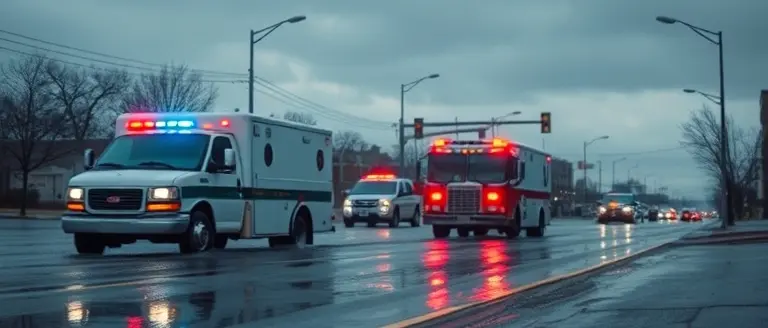
On June 27, 2026, a catastrophic weather event triggered severe Kentucky flash flooding across the central region of the state, resulting in life-threatening conditions and widespread infrastructure damage. The heavy rainfall, brought on by a series of intense, stationary thunderstorms, overwhelmed local drainage systems, particularly within Madison County and the Louisville metro area. In response to the rapid escalation of the crisis, Governor Andy Beshear officially declared a state of emergency to mobilize state resources and provide expedited aid to the impacted communities. This declaration allows for the activation of the Kentucky National Guard to assist local authorities in recovery efforts and ensures that federal resources can be directed toward the most damaged zones.
As of the morning of June 28, 2026, the situation remains critical as first responders continue to navigate submerged roadways and unstable terrain. Officials have confirmed at least four fatalities associated with the floodwaters, with search and rescue teams working tirelessly to reach residents trapped in their homes or stranded in vehicles. Local law enforcement, including the Richmond Police Department, has issued urgent warnings regarding the continued risk of flash flooding in surrounding counties. The current status of the disaster includes:
- Casualty Reports: Four confirmed deaths, with ongoing search operations potentially shifting these figures.
- Emergency Response: Search and rescue teams are currently utilizing boat and aerial assets to reach isolated citizens.
- Infrastructure Impact: Widespread reports of impassable roads, submerged vehicles, and utility outages throughout central Kentucky.
- Weather Status: Active flood warnings remain in effect for parts of Kentucky and southern Indiana as water levels continue to fluctuate.
Residents are strongly advised to avoid all unnecessary travel, particularly in low-lying areas, as the combination of debris-filled water and compromised road integrity presents severe hazards. Authorities are encouraging individuals to monitor local news and follow official social media channels for real-time updates regarding evacuation orders and temporary shelter locations as the recovery process begins.
Live Updates: Tracking Ongoing Weather Hazards
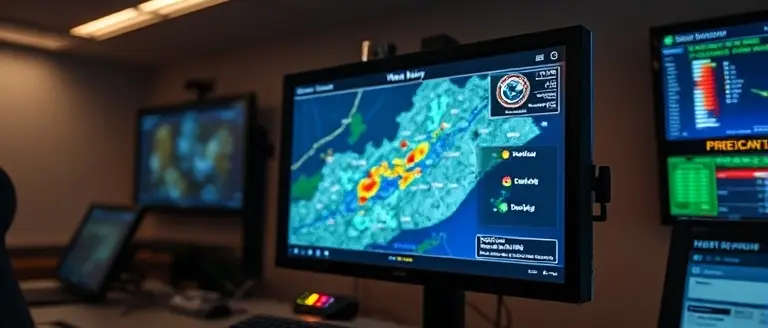
As of June 28, 2026, the Kentucky flash flooding crisis remains in an active phase, with the National Weather Service (NWS) maintaining flash flood warnings across central Kentucky and parts of southern Indiana. Following the intense storm cells that impacted the region late yesterday, authorities are managing a volatile situation where saturated soil and rising water levels continue to pose significant threats. The Governor’s state of emergency remains in effect, mobilizing the National Guard to assist local emergency services in search and rescue operations, particularly within the heavily impacted Madison County and Louisville metro regions. Residents are urged to monitor local news stations and NWS alerts continuously as secondary storm cells move through the Ohio River Valley.
Infrastructure and Travel Disruptions
The regional transportation network has faced widespread disruption due to the severe weather. Emergency management officials report the following critical infrastructure updates:
- Highway Closures: Significant stretches of I-64 and I-65 are experiencing localized closures due to standing water and debris. Commuters are advised to avoid travel entirely in the affected counties.
- Secondary Roadways: Many rural and secondary routes in central Kentucky remain impassable. Do not attempt to drive through flooded roadways, as “Turn Around, Don’t Drown” remains the primary safety directive.
- Emergency Infrastructure: Power outages are currently affecting thousands of households, with repair crews unable to access damaged lines until water levels recede.
Ongoing Safety Precautions
With the threat of additional rainfall, local police departments and emergency agencies emphasize that the situation is fluid. If you are located in a low-lying area, prioritize moving to higher ground immediately if advised by local authorities. Keep a go-bag ready and maintain access to a battery-powered radio for critical updates if grid electricity continues to fail. The current four confirmed fatalities underscore the lethal nature of this flash flooding event; please respect all barricades and emergency worker instructions to prevent further casualties. Follow real-time social media updates from verified sources like the Richmond KY Police and Kentucky Emergency Management for hyper-local directives.
Critical Safety Instructions for Flood-Affected Residents

As Kentucky flash flooding continues to impact central regions, including Madison County and the Louisville metro area, prioritizing personal safety is paramount. The primary rule remains “Turn Around, Don’t Drown.” Never attempt to drive or walk through flooded roadways; it takes only six inches of moving water to knock a person off their feet, and merely two feet of water can sweep away most vehicles. If you encounter a flooded road, turn around immediately, as the structural integrity of the road underneath the water may be compromised, leading to life-threatening sinkholes or washouts.
Life-Saving Protocols for Trapped Residents
If you find yourself trapped by rising waters, your primary objective is to reach the highest point possible within your structure—such as an attic or second floor—but avoid entering closed attics where you could become trapped by rising water levels. Do not attempt to swim through floodwaters, as they may contain hidden debris, sewage, or live electrical currents. To signal for rescue:
- Use a whistle or a bright-colored cloth to alert first responders to your location.
- Keep your mobile device charged and use it sparingly to conserve battery, utilizing text messages for communication to save bandwidth.
- If you must shelter in place, stay off the roof unless you are in immediate danger of being swept away; being visible to aerial search and rescue teams is critical.
Electrical Hazards and Shelter Verification
Floodwater is a severe conductor of electricity. Avoid all standing water near downed power lines or household electrical appliances. If you smell gas or suspect a leak, evacuate immediately if it is safe to do so. To find the nearest verified emergency shelter, monitor official updates from the Kentucky Emergency Management agency or local police department social media channels. Avoid following unofficial reports; stick to verified government resources to ensure you are heading toward a safe and operational facility. By remaining informed and cautious, you significantly increase your chances of surviving this severe weather event.
Resource Hub: Emergency Shelters and Contact Information

In the wake of the severe Kentucky flash flooding event that began on June 27, 2026, immediate access to reliable information is vital for resident safety and recovery. If you are in an affected area and require immediate assistance, please prioritize contacting emergency services via 911. For non-emergency needs, including reports of road closures or infrastructure damage, please utilize the specific municipal hotlines established by local authorities in Madison County and the Louisville metro area. It is critical that residents avoid flooded roadways, as submerged vehicles remain a leading cause of fatalities during these weather events.
Official Emergency Assistance and Shelters
The American Red Cross is coordinating with state and local officials to establish emergency shelters for those displaced by rising waters. Please consult the following resources for real-time updates:
- American Red Cross (Kentucky Region): Visit the Red Cross official disaster portal or call 1-800-RED-CROSS to find the nearest active shelter location.
- Kentucky Emergency Management: Monitor the official state dashboard for active state-of-emergency protocols and localized evacuation notices.
- Road Closures: Use the Kentucky Transportation Cabinet’s WAZE or 511 system to check for current bridge and road closures before attempting to travel.
Missing Persons and Welfare Checks
If you have lost contact with a loved one, please contact your local law enforcement agency’s non-emergency line to file a missing person report or request a welfare check. When calling, provide the individual’s last known location, a physical description, and any medical vulnerabilities. Do not utilize social media for urgent rescue requests; keep emergency lines open for life-threatening situations. Residents in hard-hit zones should maintain a battery-powered radio and monitor National Weather Service (NWS) alerts, as further heavy rainfall may trigger additional flooding in already saturated topography. Stay vigilant and follow all directives issued by first responders to ensure personal safety during this critical response phase.
Securing Your Home Against Future Threats
As the immediate danger subsides and the daunting task of recovery begins, the focus must shift to structural resilience. The recent flooding has exposed vulnerabilities in our infrastructure, making it clear that homeowners need reliable, technical solutions to fortify their properties against debris and water-related damage. Having access to precise, professional-grade construction plans is not just a convenience—it is an essential component of emergency preparedness and effective property repair.
This is where Ted’s Woodworking becomes a vital resilience tool. By providing a comprehensive library of 16,000 professional blueprints, this resource eliminates the guesswork and trial-and-error that often plague DIY emergency repairs. Whether you need to board up damaged windows, reinforce structural foundations, or construct temporary protective barriers, these plans provide the technical certainty required to act quickly and safely.
Aligning with our mission to provide actionable, safety-first support, Ted’s Woodworking empowers you to take control of your recovery phase. By leveraging these tested repair and reinforcement blueprints, you can effectively secure your living space and build a stronger, more prepared home environment. Take the first step toward reclaiming your property and ensuring long-term safety for your family today.
 Access the comprehensive library of tested repair and reinforcement plans here to secure your home.Yes, I Want to Secure My Home Now!