
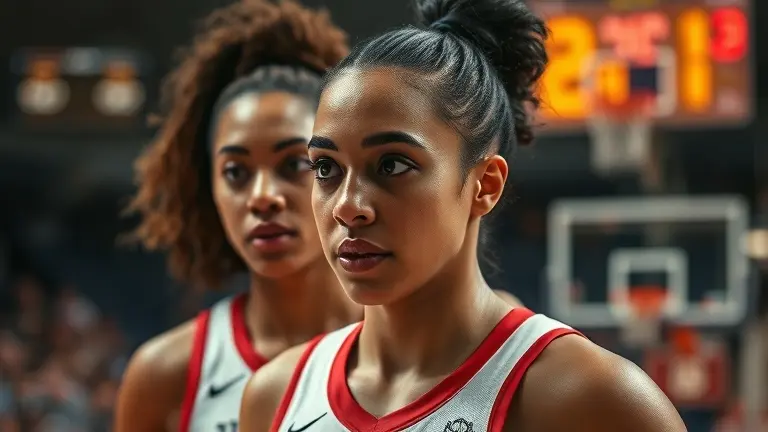
When the Los Angeles Sparks faced the Indiana Fever at Gainbridge Fieldhouse, the atmosphere was defined not just by the anticipation of tip-off, but by the massive void left by the absence of WNBA superstar Caitlin Clark. For fans and sharp bettors alike, this sudden roster shift transformed a high-profile spectacle into a complex puzzle of team dynamics. In the fast-paced world of professional sports, an injury report is never just a list of names; it is a catalyst that forces secondary stars to elevate their game and requires analysts to quickly recalibrate their expectations.
Digesting the rapid-fire statistical adjustments, defensive rotations, and shifting betting lines during such a high-stakes matchup can feel like drinking from a firehose. As Aliyah Boston and the remaining Fever roster stepped up to prove their resilience, observers were forced to navigate a fog of noise and speculation. To truly understand the impact of such absences—and to spot the hidden value that others miss—one requires more than just sports knowledge; it requires an unrivaled level of mental clarity and cognitive precision.
Sparks vs. Fever: Game Overview and Context
The June 27, 2026, matchup between the Los Angeles Sparks and the Indiana Fever at Gainbridge Fieldhouse served as a definitive case study in how the absence of a marquee athlete shifts both narrative and market dynamics within the WNBA. Entering the contest, the primary storyline was not the tactical battle between the two rosters, but the status of Caitlin Clark. As the league’s most prominent face, Clark’s sudden removal from the active lineup triggered a massive surge in search volume, with fans and bettors urgently seeking confirmation on her availability. This uncertainty transformed the atmosphere in Indianapolis, moving the conversation from a highly anticipated star-studded showcase to a test of depth for the Fever’s remaining rotation.
Impact of Star Absences on Betting and Fan Sentiment
The news that Clark would be sidelined created a ripple effect across the sports betting landscape, forcing platforms to rapidly adjust their sparks vs fever predictions and point spreads. For observers, this event highlighted several critical themes:
- Market Volatility: Betting lines on sites like PrizePicks and major sportsbooks became hyper-sensitive to injury reports, demonstrating how player-specific news dictates public interest.
- Team Dynamics: With Clark out, the burden of leadership shifted significantly toward Aliyah Boston and the supporting cast, providing a rare opportunity to evaluate the team’s resilience.
- Transactional Intent: The high frequency of searches like “is Caitlin Clark playing today” underscores that modern fan engagement is increasingly tied to real-time status updates, often prioritizing player participation over traditional team-based loyalty.
Ultimately, this game reinforced the “Caitlin Clark effect,” where the star player acts as the primary anchor for league-wide media attention. Even without their primary playmaker, the Fever were forced to rely on internal cohesion, turning a standard regular-season game into a litmus test for the team’s ability to survive and thrive without their offensive engine. This shift in momentum provides long-term insight into how sports betting enthusiasts must adapt their strategies when managing high-profile injury news.
Impact of Star Absence on Game Performance
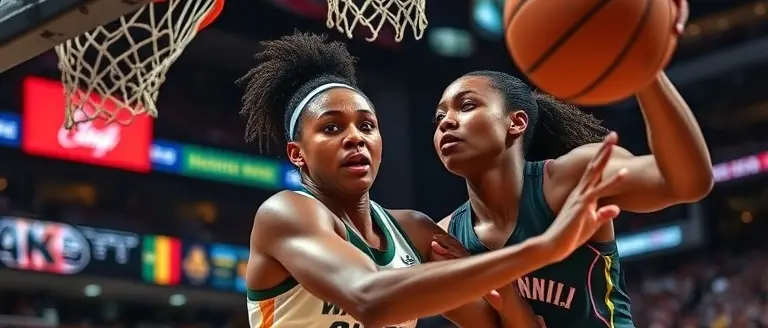
The June 27, 2026, matchup between the Los Angeles Sparks and the Indiana Fever served as a fascinating case study in professional basketball adaptability. When high-profile stars like Caitlin Clark are ruled out, betting lines fluctuate wildly, but the actual on-court impact often triggers a total transformation in team dynamics. Without their primary engine, the Indiana Fever were forced to pivot away from a perimeter-dominant offense, placing a heavier burden on their interior presence and rotational depth. This shift in tactical gameplay provided a clear window into the team’s resilience and individual player development under pressure.
Elevating Secondary Stars and Bench Depth
In the absence of a superstar, the reliance on secondary playmakers becomes the defining narrative of the game. For the Fever, the void created by the injury necessitated that Aliyah Boston anchor both ends of the floor with increased usage. Evidence suggests that when rosters lose a top-tier athlete, the remaining core players often adopt a “committee approach,” leading to more balanced scoring distributions. Key takeaways from this specific sparks vs fever contest include:
- Expanded Roles: Role players utilized the extra spacing and ball-handling duties to showcase perimeter shooting and playmaking versatility.
- Defensive Reconfiguration: The Sparks had to adjust their defensive schemes, moving away from specialized containment strategies for a single star and instead focusing on team-oriented pressure to force turnovers from a less experienced Fever backcourt.
- Offensive Flow: Without the gravitational pull of a primary playmaker, the pace of the game slowed, favoring high-percentage mid-range shots and post-up actions.
The tactical adjustment highlighted the importance of roster construction. While betting markets often penalize teams for missing stars, the game proved that depth and coaching adaptability can often bridge the gap, resulting in a more competitive outing than the spread might have originally suggested. For fans and analysts, this game served as a reminder that WNBA team dynamics are far more complex than individual player impact, demonstrating how professional rotations effectively compensate for the sudden loss of a focal point.
Analyzing the ‘Star Absence’ Dynamic in WNBA Betting

The sparks vs fever matchup serves as a definitive case study in how the WNBA betting market calibrates when a marquee talent is sidelined. When a generational star like Caitlin Clark is ruled out, sportsbooks face immediate pressure to adjust opening lines, often triggering significant volatility in market liquidity. Evidence suggests that casual bettors, who are frequently drawn to specific high-profile athletes rather than team-wide analytical trends, often pause or redirect their wagering activity upon news of an injury. This shift creates a unique environment where sharp bettors and institutional models look to exploit inefficiencies before the public sentiment stabilizes.
Market Volatility and Handle Impacts
When star players are removed from the lineup, the “betting handle”—the total amount of money wagered—tends to fluctuate wildly. Sportsbooks must balance the loss of casual, fan-driven volume against the increased interest from sharp bettors who specialize in valuing secondary roster performance. Key observations regarding these shifts include:
- Line Movement Sensitivity: Without a focal point like Clark, point spreads and totals often see aggressive movement as books account for the resulting dip in offensive efficiency.
- Prop Market Shifts: Player prop betting undergoes a massive transformation. The absence of a primary engine forces bettors to re-evaluate the scoring potential of teammates like Aliyah Boston, often leading to inflated prop lines for the remaining core.
- Liquidity Contraction: Casual interest may drop, leading to lower total handle; however, the sophistication of the remaining active market often increases as bettors pivot to team-centric strategies.
Understanding this “star absence” dynamic is essential for long-term engagement in WNBA betting. As the league continues to grow in popularity, the ability to analyze how teams—and markets—adapt to the loss of top-tier talent will separate informed bettors from the general fan base. Moving forward, observers should monitor how secondary stars elevate their output in these high-stakes scenarios, as this serves as a leading indicator for future performance valuation.
How to Navigate Injury Reports and Broadcast Information

Staying ahead of roster fluctuations is essential for both casual fans and sports bettors when tracking high-stakes matchups like sparks vs fever. Because the availability of marquee athletes—such as when Caitlin Clark was ruled out—can drastically shift game dynamics and betting lines, accessing real-time, credible data is critical. To avoid misinformation, rely on official WNBA injury reports issued by team communication departments, which are typically finalized roughly two hours before tip-off. Cross-reference these official status updates with reputable sports journalism outlets like ESPN or USA Today to identify trends regarding player load management or unexpected setbacks.
Tracking Roster Changes and Broadcast Details
When top-tier players are sidelined, understanding the “star absence” impact is vital for managing your expectations or adjusting your betting strategy. To streamline your search process, follow these best practices:
- Official Sources: Monitor the official WNBA transaction wire and team social media accounts, as these provide the most immediate, verified injury status reports.
- Aggregator Platforms: Utilize specialized sports betting apps and websites that provide real-time updates on player availability, as these platforms often reflect betting line shifts before news hits mainstream media.
- Broadcasting Schedule: Always consult the official WNBA league website or your preferred cable provider’s guide to confirm the broadcast channel. High-profile games are frequently split between national networks (like ESPN or Ion) and local regional sports networks (RSNs), which can create confusion for fans.
- Streaming Services: Ensure your streaming subscription covers the designated rights holder for the night. Platforms often shift coverage based on market geography, making it necessary to verify if the game is blacked out in your local area.
By establishing a routine of checking these verified sources, you can mitigate the uncertainty caused by last-minute lineup changes. Whether you are analyzing team depth in the absence of a primary star or simply looking to catch the game live, utilizing these reliable channels ensures you remain informed throughout the WNBA season.
Sharpen Your Analytical Edge for Every Game
The matchup between the Sparks and the Fever serves as a vital reminder that in the WNBA, the depth of a roster is the ultimate indicator of championship potential. While the headline focused on the missing star power, the real story unfolded through the grit and tactical adjustments of players like Aliyah Boston, proving that the most profitable betting opportunities often lie in the overlooked adjustments of secondary rotations. Successfully identifying these trends amid the chaos of injury reports and changing odds requires a mind that remains calm, focused, and surgically sharp under pressure.
Keeping up with shifting rosters and complex betting odds can leave any sports enthusiast mentally drained; this is where cognitive fatigue becomes your greatest enemy. Whether you are analyzing player props or evaluating team momentum, ‘The Brain Song’ is the cognitive performance tool designed for the serious sports analyst. By integrating this science-based 12-minute neuroscience routine into your pre-game preparation, you can cut through the clutter of excessive data, spot hidden value, and maintain the mental edge needed to stay ahead of the game long after the final buzzer.
Stop letting information overload cloud your judgment and start processing high-speed sports data with the clarity of a pro. Elevate your analytical game today.
 Unlock your peak analytical performance and stay ahead of the game with The Brain Song’s 12-minute neuroscience routine.Yes, I Want This Now!