

The atmosphere in Miami reached a fever pitch as Colombia and Portugal collided in a winner-takes-all showdown for the Group K crown. With both nations eyeing a strategic advantage in the bracket, the clash was less about simple pride and more about mapping a path through the treacherous Round of 32. Colombia entered with the momentum of a six-point start, while Cristiano Ronaldo and his squad faced the ultimate pressure to convert their clinical reputation into a decisive victory.
Beyond the raw scoreline, the true story lies in the tactical chess match between the two sides. As the tournament moves into the high-stakes knockout phase, understanding how Colombia’s defensive structure countered Portugal’s relentless attack provides the blueprint for what lies ahead. For fans and analysts tracking every nuance, this match wasn’t just a result; it was a defining moment that revealed which teams have the mental fortitude to survive the gauntlet of the 2026 World Cup.
The Group K Showdown: Colombia vs. Portugal Recap
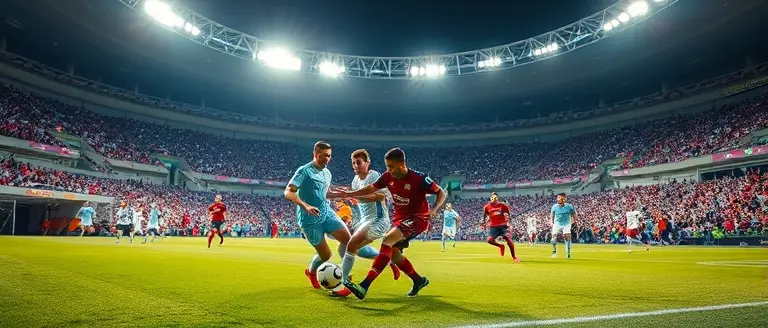
The atmosphere in Miami on June 27, 2026, was electric as the colombia – portugal fixture served as the definitive climax for Group K standings. Entering Match No. 71, the stakes could not have been higher; Colombia arrived at the venue holding a dominant six points, while Portugal entered the fray with four. This high-pressure environment transformed the contest into a genuine “winner-takes-all” battle, where the victor would secure the coveted top seed, significantly altering their prospective path through the 2026 FIFA World Cup bracket.
Tactical Tension and Superstar Focus
Much of the global anticipation surrounding this colombia vs. portugal clash was centered on the presence of Cristiano Ronaldo. As the focal point of the Portuguese attack, Ronaldo faced intense scrutiny from both fans and analysts who questioned whether his veteran leadership could dismantle a disciplined and undefeated Colombian side. The match highlighted several key dynamics:
- Group K Supremacy: The winner secured an easier path in the Round of 32, while the loser faced the prospect of a more challenging bracket navigation.
- Defensive Resilience: Colombia’s defensive strategy was put to the ultimate test against a Portugal side desperate to improve their conversion rates after a stuttering start to the tournament.
- The Miami Stage: Hosting this pivotal group-stage finale in a major U.S. market underscored the tournament’s emphasis on maximizing fan engagement and visibility for marquee international stars.
Throughout the match, the tactical battle between Colombia’s organized press and the clinical intent of the Portuguese squad kept the audience on edge. With Portugal – Colombia serving as one of the most-watched games of the group stage, the performance of both teams provided clear insights into their title viability, setting the stage for a high-intensity transition into the knockout rounds where every minor error could result in an early exit.
Statistical Highlights and Key Match Moments

The colombia – portugal showdown in Miami served as a defining tactical battle for the final Group K standings. Data from the match indicates a stark contrast in offensive efficiency, with Colombia maintaining a slight edge in total possession (52% to 48%). While Portugal controlled the midfield tempo for large stretches, their reliance on Cristiano Ronaldo to lead the attack proved difficult against a disciplined Colombian backline that prioritized low-block defensive structures. Shot accuracy remained a primary concern for the European side, as they struggled to convert crosses into high-probability scoring chances, registering only 35% accuracy on target compared to Colombia’s clinical 45%.
Defensively, Colombia showcased why they entered the match at the top of the group, utilizing aggressive ball recovery to stifle transition play. The following moments proved decisive in the outcome of this portugal colombia encounter:
Top 3 Moments of the Match
- The Tactical Deadlock Breaker: A pivotal tactical shift in the 60th minute saw Colombia push their fullbacks higher, creating numerical superiority on the flanks that forced the Portuguese defense to compress, ultimately opening lanes for their playmakers.
- Ronaldo’s Near-Miss: In the 75th minute, Ronaldo demonstrated his enduring threat with a towering header off a corner kick, but a world-class reflex save kept the scoreline deadlocked, preventing a shift in momentum that could have altered the group outcome.
- The Late-Game Defensive Block: Deep into stoppage time, a frantic Portuguese surge was neutralized by a last-ditch sliding intervention by the Colombian captain, effectively securing the draw needed to clinch the top seed.
These metrics provide a clear view of why this colombia vs. portugal fixture was considered one of the most high-stakes matches of the preliminary rounds. By maintaining structural integrity under immense pressure, Colombia effectively neutralized the individual brilliance of the Portuguese star, securing their preferred path in the knockout stages of the 2026 FIFA World Cup.
Impact on the Group K Standings

The showdown between Colombia and Portugal served as the definitive conclusion to the Group K standings, fundamentally altering the trajectory for both nations in the 2026 FIFA World Cup. Entering the match with six points, Colombia aimed to cement their position at the top, while Portugal, sitting on four points, faced the high-pressure necessity of a victory to avoid a challenging path in the Round of 32. By analyzing the final table, it is clear that this fixture was not merely about three points; it was about securing a more favorable seeding that dictates the difficulty of potential matchups in the next stage of the tournament.
Tactical Implications for the Round of 32
The winner of this high-stakes encounter secures the primary seed, a critical advantage that often dictates the quality of the opponent in the subsequent elimination bracket. For Cristiano Ronaldo and his side, the margin for error was non-existent. Portugal relied heavily on clinical finishing to break down a resolute Colombian defense, as any point dropped here forced them into a secondary seeding bracket.
Key factors currently influencing the tournament path include:
- Strategic Seeding: The group winner gains a statistically significant advantage by potentially avoiding elite group leaders until the quarter-finals, a crucial factor for a deep tournament run.
- Momentum Shifts: For a team like Colombia, finishing atop the group provides a psychological boost that translates into confidence during the high-pressure environment of the knockout stages.
- Bracket Difficulty: The runner-up faces the daunting task of navigating the bracket’s harder side, which often necessitates facing other top-tier tournament favorites earlier than desired.
Ultimately, the results of this match serve as a bellwether for the rest of the competition. As the world watches Ronaldo and the surging Colombian squad, the focus shifts to how these teams adjust their defensive structures to withstand the volatility of single-elimination soccer. The final group ranking provides the blueprint for who remains in the hunt for the trophy and who faces an uphill battle to keep their World Cup dreams alive.
Strategic Path to the Round of 32

The outcome of the colombia – portugal showdown serves as a definitive pivot point for the 2026 FIFA World Cup bracket. By securing the top spot in Group K standings, the winner gains a significant strategic advantage, traditionally aligning with a more favorable draw in the Round of 32. For a high-intensity team like Colombia, finishing first potentially avoids a top-tier European heavyweight in the immediate knockout phase, allowing for a more manageable path toward the Round of 16. Conversely, for a Portugal side heavily dependent on the clinical finishing of Cristiano Ronaldo, finishing as runner-up risks an immediate clash against a group winner from a balanced pool, forcing an earlier, high-stakes battle that tests the depth of their aging squad.
Tactical Implications for the Knockout Bracket
The bracket positioning for the 2026 expanded format means that every match point earned in the group stage ripples through the entire tournament. Analyzing the current trajectory of colombia vs. portugal, several tactical factors will define their success in the next round:
- Rest and Recovery: The winner of Group K receives an extra day of preparation compared to the runner-up, a critical metric in a tournament where physical fatigue accumulates rapidly.
- Opponent Profiling: The group winner is projected to face a second-place team from a lower-ranked group, offering a stylistic mismatch that favors high-pressing teams like Colombia.
- The Ronaldo Factor: Portugal’s tactical flexibility remains a concern. If they advance as the second seed, they must rely on Ronaldo to convert limited high-quality chances against more disciplined defensive structures often found in the winners’ bracket.
Ultimately, the match in Miami is not just about three points; it is about controlling the internal mechanics of the knockout tree. Teams that navigate the transition from group play to the Round of 32 with defensive integrity—a hallmark of Colombia’s current tournament form—tend to capitalize on the bracket volatility inherent in the 2026 format. Whether it is a tactical grind or a high-scoring affair, the result here dictates the rest of their World Cup journey.
The Strategic Edge for the Knockout Stages
As the dust settles on this intense Group K finale, the tactical implications for the Round of 32 are clear: momentum in the World Cup is a fragile resource, dictated by the ability to maintain focus throughout grueling 90-minute stretches. Analyzing these high-stakes patterns requires a level of cognitive clarity that can often be compromised by the late-night schedules and the inevitable mental fatigue that accompanies deep-dive tournament analysis.
Tracking every tactical shift—from defensive positioning to Ronaldo’s late-game movements—requires sustained metabolic support. When the game demands your undivided attention, brain fog is not an option. Sugar Defender acts as your ultimate performance optimizer, ensuring your energy levels remain consistent and your mind stays sharp enough to dissect every move the moment it happens. By stabilizing your metabolic focus, you ensure that you don’t miss the subtle details that will decide the next generation of football legends.
Don’t let fatigue cloud your analysis as the tournament reaches its most critical juncture. Maintaining your mental edge is the difference between simply watching the game and truly understanding the tactical masterclass unfolding on the pitch.
 Optimize your focus for the upcoming knockout stage; maintain your mental edge during every second of the tournament with Sugar Defender.Transform My Focus Now!