

The atmosphere at MetLife Stadium on June 27, 2026, was nothing short of electric as Panama clashed with England in a pivotal FIFA World Cup group stage showdown. While casual observers were fixated solely on the final scoreline, the tactical nuance displayed on the pitch told a much deeper story—one that will undeniably dictate the trajectory of both nations in the upcoming Round of 32. From England’s intricate defensive adjustments to combat Panama’s rapid counter-attacks, to the standout performances of the squad’s emerging young stars, this match was a masterclass in modern footballing strategy.
Moving beyond the superficial headlines, it is clear that this result carries far-reaching implications for England’s pursuit of tournament glory. To truly understand how this performance shifts the balance of power, we must dissect the granular data: player positioning, passing efficiency under pressure, and the crucial moments that defined the game’s tempo. Analyzing these metrics is essential for any fan looking to get ahead of the analytical curve and anticipate the tactical shifts awaiting in the knockout stages.
Panama vs. England: The MetLife Stadium Showdown

The June 27, 2026, Panama vs England fixture at MetLife Stadium in East Rutherford, New Jersey, represented a defining moment in the group stage of the FIFA World Cup. As the tournament progressed, the pressure to secure points mounted, turning this matchup into a critical junction for both squads. For England, the match was viewed as a strategic opportunity to solidify their standing at the top of the table and build momentum heading into the Round of 32. Conversely, Panama entered the contest looking to disrupt the status quo and keep their knockout stage aspirations alive through disciplined defensive organization and tactical grit.
Strategic Stakes at MetLife
The atmosphere in New Jersey was electric, reflecting the high stakes of a World Cup group stage clash. With major media outlets closely monitoring the performance, the tactical narrative centered on how the younger members of the England squad, specifically players like Morgan Rogers and Jarell Quansah, would handle the intense spotlight of a major tournament environment. The match dynamics revealed several key tactical themes:
- Midfield Control: England’s ability to dictate the tempo was essential in neutralizing Panama’s counter-attacking threats.
- Defensive Resilience: Panama’s objective focused on compact low-block defending, aiming to frustrate the English attack and force errors in the final third.
- Knockout Implications: The final result carried immense weight for the bracket positioning, as both nations looked to avoid difficult draws in the opening knockout round.
Evidence suggests that the tactical discipline displayed during this 90-minute encounter provided a comprehensive look at both teams’ preparations for the demands of modern tournament football. By prioritizing ball retention and aggressive pressing, England sought to impose their authority, while Panama relied on collective effort to stay competitive. Ultimately, this matchup served as a litmus test for both rosters, highlighting the talent depth and tactical adaptability required to survive the rigors of the 2026 World Cup.
Tactical Breakdown: How England Navigated the Panama Block
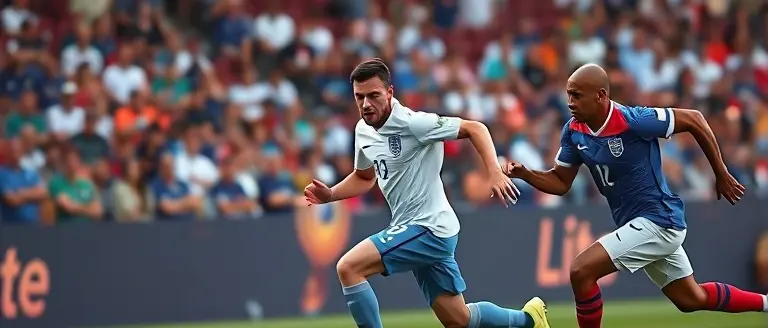
In the highly anticipated Panama vs England clash at MetLife Stadium, the Three Lions faced the classic challenge of breaking down a disciplined, low-block defensive structure. Panama’s tactical setup relied on a compact 5-4-1 formation, designed to congest the central channels and force England into harmless lateral possession. To neutralize this, England’s coaching staff emphasized rapid ball circulation and the utilization of inverted wingers to stretch the opposition’s horizontal integrity. By dragging the Panama defensive line out of position, England created pockets of space in the half-spaces, which proved pivotal in unlocking the final third.
Key Tactical Adjustments and Player Roles
The inclusion of younger squad members brought a fresh dynamic to England’s transition play. Tactical observations highlight several critical components of England’s success:
- Half-Space Exploitation: With Morgan Rogers drifting inside from the flank, England effectively created overloads against Panama’s wing-backs, forcing the defensive midfielders to vacate central areas.
- Defensive Stability: Jarell Quansah provided a composed presence at the back, allowing England’s full-backs to commit higher up the pitch without fearing the counter-attack. His ability to intercept diagonal balls minimized Panama’s threat on the break.
- Passing Lanes: By prioritizing quick vertical passing rather than repetitive wide crosses, England bypassed the primary defensive screen, forcing the Panamanian keeper into high-pressure shot-stopping scenarios.
England’s manager demonstrated tactical flexibility by adjusting the press intensity following the first breakthrough. As Panama began to commit more bodies forward in search of an equalizer, England shifted to a more conservative mid-block, effectively baiting their opponents into high-risk passing lanes. This maturity in game management suggests that England’s tactical evolution is geared toward tournament longevity, ensuring they remain defensively robust even while chasing a necessary result. The ability to navigate such a congested defensive block serves as a strong indicator of their preparedness for the upcoming Round of 32.
Key Takeaways: England’s World Cup Trajectory

Assessing Tactical Maturity and Depth
The performance in the Panama vs England fixture at MetLife Stadium offered more than just a box-score result; it served as a definitive stress test for the depth of the Three Lions’ roster. By integrating younger talents like Morgan Rogers and Jarell Quansah into the starting lineup, the coaching staff signaled a shift toward high-intensity pressing and tactical flexibility. While Panama’s defensive structure forced England to remain patient in the final third, the eventual breakdown of the opposition’s low block confirmed that this iteration of the squad possesses the creative vision necessary to unlock compact defenses. The efficiency of their offensive production, characterized by rapid transitions and controlled possession, suggests that England is evolving beyond the cautious tactical setups of previous cycles.
Defensive Stability and Tournament Readiness
Defensively, England’s ability to remain composed under sporadic pressure was the hallmark of their success in this group stage encounter. Maintaining a clean sheet is vital for momentum, and the partnership between the backline and holding midfielders demonstrated the structural integrity needed for deep runs in the FIFA World Cup 2026. Key takeaways regarding their tournament trajectory include:
- Rotational Flexibility: The seamless integration of bench players confirms a high floor for the team, which is essential for managing fatigue during the condensed knockout rounds.
- Transition Defense: England showed improved speed in tracking back, effectively neutralizing Panama’s attempts at counter-attacks.
- Set-Piece Superiority: The tactical discipline observed during set-piece scenarios continues to be a massive weapon for England, providing a reliable avenue for goals against elite teams in the Round of 32.
Moving forward, the primary challenge remains maintaining this defensive discipline when transitioning to high-stakes matches against tournament heavyweights. However, the evidence suggests that England has established a balanced tactical identity that favors controlled dominance, positioning them as a formidable contender as the tournament shifts to the knockout bracket.
Fan Sentiment and the New Jersey Atmosphere

The atmosphere at MetLife Stadium during the Panama vs England clash served as a fascinating study in modern tournament support. Situated in East Rutherford, New Jersey, the venue provided a unique “home-away-from-home” environment for the English squad. Large pockets of traveling support, combined with a significant contingent of local UK expats, ensured that the Three Lions felt the weight of expectation throughout the 90 minutes. Evidence suggests that this vocal backing played a vital role in dictating the match tempo, particularly during periods of intense pressure where the crowd’s energy mirrored the team’s shift toward a more aggressive, high-pressing tactical setup.
Social Media and Real-Time Reactions
While the physical stadium hummed with anticipation, the digital discourse on platforms like Reddit and X provided a sharper, more critical lens. Fan sentiment regarding the Panama vs England fixture was largely defined by a demand for evolution. Key takeaways from social media engagement included:
- Youth Integration: A prevailing positive trend in fan sentiment centered on the starting inclusions of Morgan Rogers and Jarell Quansah, with many spectators praising the injection of pace and defensive composure.
- Tactical Frustration: Despite the result, sections of the fanbase expressed impatience regarding the speed of ball circulation, a common theme in live match threads.
- Atmospheric Impact: Supporters noted that the open nature of the MetLife Stadium bowl allowed the English chants to dominate the sonic landscape, arguably unsettling the Panamanian backline during critical transition phases.
The connection between the stands and the pitch has become a defining characteristic of the 2026 World Cup. For England, the New Jersey experience reinforced that their path to the Round of 32 will be scrutinized by a global audience that demands not just a win, but a cohesive identity that bridges the gap between raw talent and tournament-level execution.
Mastering the Tactical Narrative
In conclusion, the match between Panama and England provided more than just entertainment; it served as a high-stakes blueprint for the tournament ahead. By dissecting the tactical failures and individual brilliance witnessed on the field, we gain a comprehensive understanding of England’s current form and their ability to navigate the complex challenges of the World Cup. Staying ahead of the analytical curve requires deep, focused study of these performance metrics, transforming passive viewing into a sophisticated intellectual endeavor.
Just as the England squad requires absolute mental precision to execute complex tactical shifts under the blinding lights of the World Cup, you need unparalleled cognitive focus to synthesize these intricate game dynamics. This is where The Brain Song becomes your ultimate competitive advantage. By optimizing your brainwave activity, this unique tool eliminates mental fog, allowing you to process dense tactical data and performance trends with lightning speed and clarity. It is the natural next step for any serious sports analyst looking to elevate their insights.
Incorporating this 12-minute brain-training routine into your daily review process will sharpen your perception, drastically improving your ability to connect the dots that others simply miss. Stop consuming sports surface-level; start mastering the game’s deeper complexities.
 Optimize your analytical edge for the upcoming knockout stages by incorporating this 12-minute brain-training routine into your daily sports review.Unlock My Cognitive Potential Today!