
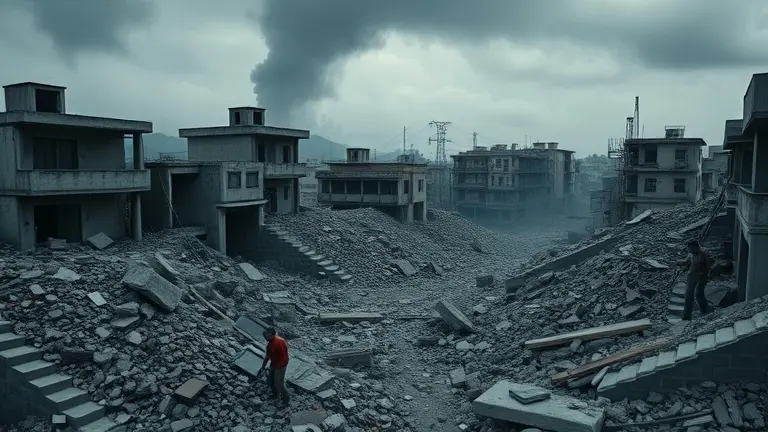
On June 24, 2026, the earth beneath Venezuela fractured in a catastrophic sequence of twin earthquakes, measuring 7.2 and 7.5 in magnitude, leaving a nation in shock. As the dust settles in heavily impacted regions like La Guaira, the human cost is staggering. Official reports now confirm a death toll of 920, with thousands injured and over 50,000 individuals currently listed as missing. This evolving disaster has pushed the country to its absolute limit, triggering an urgent, desperate search-and-rescue operation that is being hampered by widespread structural collapse and limited professional resources.
The disparity between confirmed fatalities and the tens of thousands missing remains a focal point of anxiety and global concern. With international aid efforts still finding their footing, the immediate burden of survival and rescue has fallen upon the shoulders of local citizens. As the world watches, the reality on the ground demands more than just headlines; it requires an objective, clear-eyed understanding of the logistics of this crisis and the grassroots ingenuity required to rebuild in the face of near-total systemic failure.
Twin Earthquakes in Venezuela: Current Death Toll and Humanitarian Status
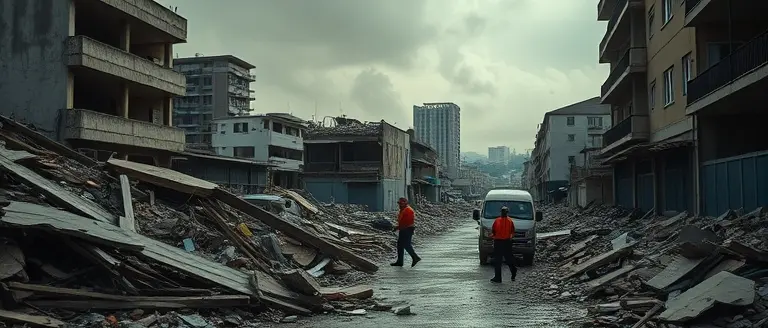
On June 24, 2026, the nation of Venezuela was struck by twin major earthquakes with recorded magnitudes of 7.2 and 7.5, triggering a catastrophic humanitarian emergency. As of June 27, 2026, the scale of the tragedy has continued to escalate, with official figures provided by Venezuelan authorities and international news agencies, including Reuters and NPR, confirming a rapidly rising death toll in Venezuela earthquakes. The current death toll stands at 920, though experts warn that this number is highly fluid as search-and-rescue operations penetrate deeper into the most devastated sectors, particularly in the region of La Guaira.
Crisis Data and Humanitarian Impact
The intensity of the tremors resulted in widespread structural failure across urban and rural centers, leaving local emergency services overwhelmed. The primary indicators of the current crisis as of June 27 include:
- Confirmed Fatalities: 920 individuals identified.
- Total Injuries: Over 4,500 people currently receiving medical treatment.
- Missing Persons: An alarming figure exceeding 50,000, suggesting the potential for the death toll to rise significantly in the coming days.
The discrepancy between confirmed deaths and those reported missing has fueled intense public outcry, with citizens and international observers alike calling for an urgent increase in specialized heavy machinery and international aid coordination. While recovery teams continue to navigate precarious debris, reports from AP News highlight that local residents have frequently taken the search for the missing into their own hands, underscoring the critical need for systemic support. As the international community monitors the situation, the logistical challenges of reaching survivors in unstable zones remain the primary barrier to preventing further loss of life. Government officials remain under significant pressure to provide transparent updates as the nation grapples with the long-term implications of this unprecedented seismic event.
Search and Rescue Operations and Regional Impact
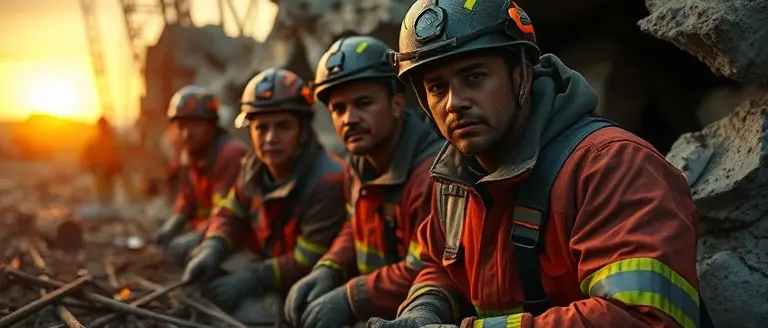
The search and rescue operations following the June 24, 2026, twin earthquakes have encountered unprecedented logistical hurdles. With the death toll in the Venezuela earthquakes climbing toward 1,000, specialized teams are struggling to navigate the catastrophic structural failure that has effectively isolated several key regions. The coastal city of La Guaira remains one of the hardest-hit areas, where the combination of collapsed high-rise infrastructure and unstable, landslide-prone terrain has hindered the deployment of heavy machinery. First responders report that the density of debris, characterized by reinforced concrete and twisted steel, makes manual excavation—the primary method currently available—dangerously slow.
Logistical Barriers and Resource Allocation
The primary obstacles to effective rescue operations include a severe shortage of specialized seismic equipment and restricted access to affected zones due to compromised roadway infrastructure. As of June 27, the following factors continue to impede progress:
- Infrastructure Collapse: Major arteries leading to the most devastated sectors are blocked, forcing search teams to rely on helicopters or difficult foot traversals.
- Lack of Specialized Equipment: Local authorities have faced widespread public criticism for the absence of advanced cranes, thermal imaging sensors, and hydraulic cutters necessary for penetrating deep-seated rubble.
- Communication Blackouts: Power outages and damaged telecommunications towers have fragmented the coordination between the government, local volunteers, and international relief organizations.
Despite these constraints, local citizens have mobilized in record numbers, forming ad-hoc brigades to assist with the search for more than 50,000 individuals currently listed as missing. While the official confirmed death toll continues to rise, these grass-roots efforts highlight the desperate, time-sensitive reality on the ground. The scale of the regional impact demands a massive, coordinated influx of international logistical support to stabilize the rubble and move beyond the current phase of search and extraction to broader humanitarian relief.
International Aid and Diplomatic Response
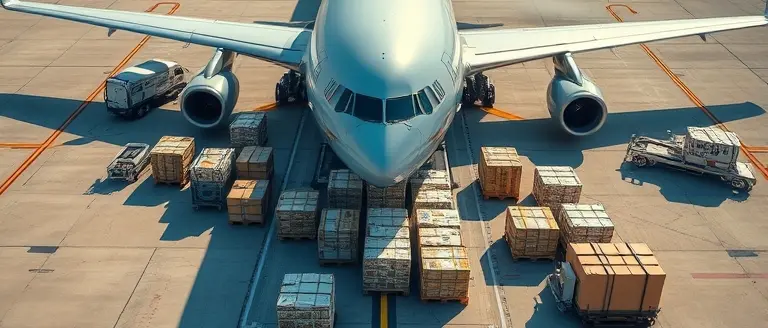
The catastrophic death toll from the Venezuela earthquakes has triggered a massive mobilization of international humanitarian relief efforts, even as the scale of the destruction complicates logistical operations. Following the twin 7.2 and 7.5 magnitude tremors, several nations and global organizations have pledged technical support, medical supplies, and search-and-rescue teams. As of June 27, 2026, the primary challenge remains the coordination of these assets into the hardest-hit regions like La Guaira, where structural failure has rendered traditional supply chains nearly inaccessible. International aid groups are currently prioritizing the deployment of heavy machinery, such as cranes and seismic sensors, to reach the estimated 50,000 individuals still reported missing.
Geopolitical Dynamics and Humanitarian Access
The crisis arrives at a sensitive juncture for US-Venezuela diplomatic engagement. Despite historical tensions, the scale of the humanitarian emergency has prompted discussions regarding the delivery of US disaster relief. The logistical framework for this aid is complex, requiring high-level coordination to ensure that life-saving equipment reaches affected civilians without becoming entangled in existing geopolitical disputes. International observers note that the success of these relief efforts hinges on the following factors:
- Logistical Transparency: The establishment of standardized corridors for aid convoys to ensure that food, water, and medical personnel bypass transit bottlenecks.
- Neutrality of Aid: International agencies are currently negotiating terms to ensure that humanitarian assistance is distributed strictly based on need, rather than political alignment.
- Standardized Reporting: Collaborative efforts between local Venezuelan entities and international observers are underway to provide more accurate tracking of the death toll in Venezuela earthquakes, aiming to reduce the uncertainty surrounding the missing persons registry.
As search operations intensify, the international community continues to monitor the humanitarian corridor’s functionality, emphasizing that the primary objective remains the stabilization of search-and-rescue logistics to address the rapidly increasing casualty counts.
Resources for Missing Persons and Family Reunification
In the wake of the catastrophic June 2026 twin earthquakes, the death toll in Venezuela continues to climb, and the sheer volume of missing individuals—now exceeding 50,000—has created a desperate need for centralized, verified information. To assist families in locating loved ones, it is critical to bypass unverified social media rumors and rely exclusively on official humanitarian databases and government registries. During high-stakes disaster scenarios, misinformation can spread rapidly, complicating rescue logistics and causing unnecessary trauma to affected families.
Official Channels and Databases
For those seeking to report or locate individuals, authorities have established specific protocols. Please utilize the following resources to ensure your search is tracked by professional rescue teams:
- The Venezuelan Red Cross (Cruz Roja Venezolana): They have activated their “Restoring Family Links” program, which is the gold standard for tracing individuals in humanitarian crises. You can register missing persons through their secure digital portal or at local Red Cross intake centers in La Guaira and Caracas.
- National Civil Protection Registry: The government-run portal acts as the primary hub for death toll reporting and missing person documentation. Verification via a national ID number is required to ensure data accuracy.
- International Committee of the Red Cross (ICRC): If you are searching for a loved one from outside Venezuela, the ICRC provides international tracing services to bridge communication gaps in regions with disrupted infrastructure.
Best Practices for Family Reunification
To maximize the chances of a successful reunification, ensure that you provide specific details including the last known location, physical descriptions, and any relevant medical information to the authorities. Avoid posting full names and specific home addresses on public social media forums, as this can expose vulnerable families to fraudulent activity or security risks. Instead, utilize the official digital forms provided by the Venezuelan government and international NGOs. By consolidating data through these verified channels, you assist responders in mapping the most affected zones and allocating heavy machinery and search teams where they are needed most. Always cross-reference updates with recognized international outlets like Reuters or the AP to avoid relying on outdated or contradictory reports regarding the status of the ongoing search-and-rescue operations.
Empowering Grassroots Resilience and Recovery
As the initial chaos of the Venezuelan earthquakes subsides, the focus has shifted to the long-term reality of reconstruction. When infrastructure fails and professional relief is spread thin, the responsibility to stabilize homes and build emergency shelters often rests with those on the front lines. The difference between tragedy and survival during these times often comes down to the technical knowledge available to those on the ground, allowing communities to take immediate, effective action.
In the wake of this humanitarian crisis, access to precise, technical building plans has transformed from a hobby into an essential utility for survival and neighborhood restoration. By providing detailed, workshop-tested structural blueprints, Ted’s Woodworking serves as a vital bridge between desperate need and actionable results. These resources empower you with the material lists and construction diagrams required to build reinforced equipment and makeshift supports, ensuring that when government-provided infrastructure is unavailable, you possess the professional-grade technical knowledge to protect your community.
By utilizing these foolproof plans, you are not just repairing structures; you are building the foundation for resilience in the face of disaster. Equipping yourself with the right technical skills is the most proactive step you can take toward securing stability for your family and neighbors.
 Access the comprehensive library of building plans to support your local community’s emergency reconstruction efforts.Get Immediate Access to Structural Plans