
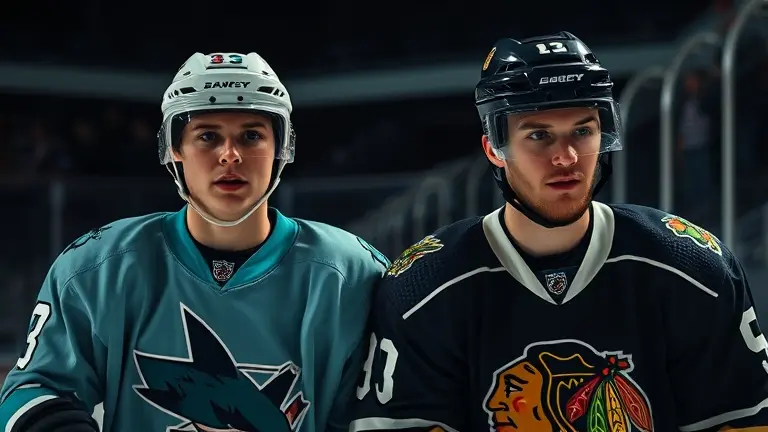
The dust has finally settled on the 2026 NHL Draft, a landmark event that reshaped the fortunes of franchises overnight. For hockey purists and scouts alike, the selection of Ivar Stenberg at second overall by the San Jose Sharks and Daxon Rudolph at fourth overall by the Buffalo Sabres marks the beginning of a high-stakes transition from junior prospect to professional contributor. As the speculation of draft week fades, the real work begins: dissecting how these generational talents fit into their respective organizational timelines and whether their on-ice profiles can translate into immediate, game-changing impact.
Understanding the nuance of these selections requires more than just glancing at a box score; it demands a deep dive into defensive metrics, transitional play, and the grit required to survive an NHL season. As the Sabres look to solidify their blue line with Rudolph’s defensive prowess and the Sharks entrust Stenberg with the keys to their offensive rebuild, fans are left to wonder: which prospect will reach their ceiling first? Navigating this level of scouting intensity demands unparalleled mental focus and the ability to synthesize complex, fast-moving analytical data.
The 2026 NHL Draft Recap: Stenberg and Rudolph Headline a Historic Class

The June 26, 2026, NHL Draft will be remembered as a transformative night for two franchises aiming to solidify their long-term competitive windows. As the draft order unfolded, the narrative quickly shifted from pre-event speculation to the cold reality of team-building strategy. The San Jose Sharks made a definitive statement at second overall by selecting Ivar Stenberg, a prospect whose elite vision and playmaking ability have been lauded by scouts throughout the season. Stenberg’s transition to the NHL level is expected to be a cornerstone of the Sharks’ ongoing rebuild, providing the organization with a high-ceiling talent capable of anchoring their top-six forward group for the next decade.
Strategic Shifts and the Buffalo Sabres’ Aggression
Following the selection of Gavin McKenna at first overall and Stenberg at second, the board became increasingly dynamic. The most pivotal moment for the Buffalo Sabres occurred when they executed a calculated trade-up to secure the fourth overall pick, officially landing Daxon Rudolph. By aggressively maneuvering to acquire Rudolph, the Sabres demonstrated a clear commitment to bolstering their blue line with a defender whose defensive instincts and transition game are considered among the best in this cohort. This move silenced the rumors that had surrounded Rudolph’s potential landing spot, firmly planting him into a Buffalo system that desperately needed his specific brand of two-way stability.
Key highlights from the first round included:
- Ivar Stenberg (2nd Overall): The San Jose Sharks secured an immediate offensive spark, prioritizing high-end skill to accelerate their development timeline.
- Daxon Rudolph (4th Overall): Through a strategic trade with the Chicago Blackhawks, the Buffalo Sabres successfully filled a primary roster void with a premier defensive prospect.
- Market Impact: Both selections validated months of scouting analytics, moving the focus away from mock drafts and toward the professional development camps that follow these high-stakes acquisitions.
The draft ultimately served as a litmus test for front-office philosophy. While Stenberg represents the Sharks’ pivot toward dynamic offensive production, Rudolph’s arrival in Buffalo marks a shift toward tactical defensive reliability. Analysts now turn their attention to how these two prospects will adapt to the rigorous demands of NHL training, as both clubs look to integrate their marquee picks into the active roster sooner rather than later.
Grading the Buffalo Sabres’ Selection of Daxon Rudolph

The Buffalo Sabres’ decision to trade up to the 4th overall pick to secure Daxon Rudolph represents a calculated gamble on defensive stability, a commodity that has been arguably the missing piece in their long-term rebuild. By aggressive positioning, the front office signaled a departure from pure offensive drafting, opting instead for a prospect whose transition game and hockey IQ rival the top-tier talent found earlier in the draft. While Ivar Stenberg was the consensus star for the San Jose Sharks at second overall, Rudolph’s ability to anchor a blue line provides the Sabres with a foundational cornerstone for the next decade.
Tactical Fit and Strategic Value
From a tactical standpoint, Rudolph addresses the Sabres’ requirement for a high-end, puck-moving defenseman who can mitigate pressure in the defensive zone. Unlike prospects who rely solely on raw physical tools, Rudolph utilizes elite spatial awareness and anticipation to break up cycles before they develop. This selection aligns perfectly with the Sabres’ timeline, as his development trajectory suggests he could challenge for a roster spot within two seasons. When evaluating the draft capital spent to move up, the return on investment is significant:
- Elite Transition Play: Rudolph’s ability to exit the zone under pressure provides Buffalo with a much-needed secondary option to facilitate their transition game.
- Positional Versatility: His comfort playing in all situations allows head coach rotation flexibility, which has been a point of vulnerability in the Sabres’ lineup.
- Organizational Need: By securing a high-ceiling defender, Buffalo balances its prospect pool, which had become heavily skewed toward forward depth.
In terms of a draft grade, the Sabres receive an “A-” for this move. While the cost of moving up is always a premium, the scarcity of elite defensive prospects makes Rudolph a justifiable expenditure. His skill set directly compensates for the team’s historical struggles in closing out games and managing high-danger scoring chances. As he enters development camp, the expectation is that he will refine his frame to better handle the physicality of the NHL, potentially evolving into a top-pair threat who can alleviate the burden currently placed on the Sabres’ veteran defensive core.
San Jose Sharks Secure a Cornerstone in Ivar Stenberg

The selection of Ivar Stenberg at 2nd overall in the 2026 NHL Draft signifies a pivotal turning point for the San Jose Sharks. While draft-day anticipation was high regarding potential trade-up scenarios, the front office remained disciplined, securing a prospect whose elite skill set aligns perfectly with the franchise’s long-term rebuilding trajectory. Stenberg is widely regarded as a franchise-caliber cornerstone, possessing a rare blend of high-end offensive creativity and the structural defensive responsibility required to excel in the modern NHL. By locking in Stenberg, the Sharks have effectively signaled that their roster evolution is entering a new, more competitive phase.
Strategic Fit and Long-Term Impact
The decision to prioritize Stenberg over other high-ceiling prospects was driven by his remarkable performance consistency leading up to the draft. Unlike many peers who experienced volatility during their final pre-draft campaigns, Stenberg maintained a high production floor, showcasing an advanced hockey IQ that allows him to influence the game in all three zones.
Key attributes that influenced the Sharks’ decision include:
- Versatility: His ability to transition seamlessly between center and wing provides the coaching staff with significant lineup flexibility.
- Elite Transition Game: Stenberg demonstrates a sophisticated understanding of ice geography, consistently creating odd-man rushes through intelligent puck support.
- Rebuild Alignment: As the Sharks pivot away from their veteran-heavy era, Stenberg provides the foundational talent necessary to stabilize the top six for the next decade.
While the attention of the hockey world was often split between Stenberg and other high-profile prospects like Daxon Rudolph, the Sharks’ scouting department remained firm in their evaluation. Evidence suggests that Stenberg’s projectability at the professional level is among the highest in his class. As he heads into the upcoming development camp, the focus will transition from potential to professional conditioning, ensuring he is prepared to contribute to a San Jose roster that is desperate for an influx of youthful, high-impact skill.
Scouting Outlook: Preparing for Development Camps

With the 2026 NHL Draft now in the rearview mirror, the focus for Daxon Rudolph and Ivar Stenberg shifts rapidly toward the intensity of their respective NHL development camps. For these top-tier prospects, these camps represent the crucial first step in proving that their draft-day projections will manifest into tangible professional production. The Buffalo Sabres and the San Jose Sharks will be closely monitoring how these players handle the transition from junior-level speed to the structured, high-paced environment of professional hockey.
Tactical and Physical Benchmarks
The development staff in both organizations will likely prioritize specific growth areas to ensure these prospects are NHL-ready. For Daxon Rudolph, the Buffalo Sabres will be looking for increased defensive consistency and the refinement of his puck-moving decision-making under heavy forechecking pressure. Conversely, the San Jose Sharks are expected to test Ivar Stenberg on his ability to integrate into a professional system, focusing on his off-the-puck awareness and physical conditioning. Key areas of evaluation will include:
- Core Strength Development: Both players must demonstrate the physical maturity required to win board battles against seasoned professional defenders.
- Tactical Processing Speed: Coaches will evaluate how quickly each prospect processes the game at top speed during high-intensity 3-on-3 and 5-on-5 scrimmages.
- Systems Integration: Learning the specific defensive structures implemented by the Sabres and Sharks to ensure long-term positional alignment.
These camps serve as the ultimate proving ground before the preseason. For both Rudolph and Stenberg, the goal is clear: utilize this window to display professional maturity, adapt to feedback from the coaching staff, and establish the work ethic necessary to secure a spot in their team’s future lineup. How they perform in these prospect scrimmages will provide the first real evidence of their potential to make an impact in the 2026-2027 season.
Elevate Your Scouting Perspective
As we project the trajectories of Daxon Rudolph and Ivar Stenberg, it is clear that their success relies on more than just physical talent—it hinges on their ability to process the game at elite speeds. Similarly, as you analyze these complex scouting reports and performance metrics, you need a cognitive edge to grasp the strategic nuances that separate ordinary prospects from future NHL stars.
Just as the Buffalo Sabres and San Jose Sharks need their prospects to sharpen their cognitive game to succeed at the NHL level, you need to stay sharp to fully grasp the nuances of these critical scouting projections. By integrating advanced mental performance tools into your analytical routine, you can process high-level hockey data with greater clarity and precision, ensuring you don’t miss the subtle details hidden in the statistics.
This is where ‘The Brain Song’ becomes an indispensable asset for the serious hockey analyst. Designed to enhance focus, mental clarity, and learning capacity, it provides the cognitive framework necessary to absorb and evaluate the intricate details of professional scouting reports. It is the natural next step for any fan committed to mastering the complexities of the modern NHL draft landscape.
 Unlock your peak analytical performance and sharpen your focus before diving into the deep-dive stats—try the 12-minute daily routine of The Brain Song today.Transform My Analytical Edge Today!