

The dust has settled at Estadio Akron, and the Group H showdown between Uruguay and Spain has left fans and analysts reeling from a tactical masterclass. As the high-stakes ‘do-or-die’ fixture pushed every player to their physical and mental limit, the narrative wasn’t just about the final score—it was about the chess match played on the pitch. Spain’s defensive resilience met Uruguay’s desperate, surging offensive, creating a 90-minute spectacle that defined the 2026 FIFA World Cup’s intensity.
Now that the qualification picture has shifted, the real work begins for the tactical purists. Why did Spain’s structure hold firm under pressure? Where did Uruguay’s tactical adjustments fall short? To understand these complex dynamics, you need more than just live updates; you need the mental clarity to process rapid-fire data and evolving match scenarios as the tournament heads toward the knockout rounds.
Uruguay vs. Spain: A High-Stakes Group H Showdown
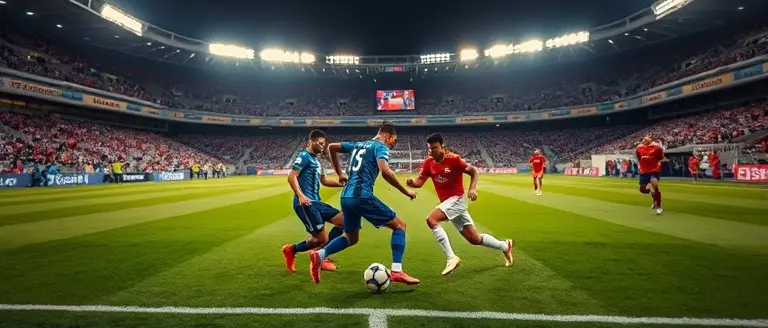
The June 26, 2026, encounter at Estadio Akron in Guadalajara represents a pivotal moment in the FIFA World Cup. As Group H reaches its dramatic conclusion, the Uruguay vs. Spain clash has emerged as the definitive fixture of the group stage. Entering Matchday 3, the stakes could not be higher for both nations as they vie for supremacy and progression in the tournament.
Spain arrives at the Estadio Akron commanding the top spot with 4 points, showcasing a clinical tactical discipline that has made them the favorites to advance. For the Spanish side, this match is about efficiency; securing a result here would solidify their position at the top of the table and provide significant momentum heading into the Round of 32. Conversely, the España vs. Uruguay showdown serves as a genuine “do-or-die” scenario for the South American side. Uruguay finds itself in a precarious position, needing a result to guarantee their advancement and avoid an early tournament exit.
The Path to the Round of 32
The intensity surrounding this fixture is supported by the current standings and the mathematical possibilities for progression. With the pressure mounting, several factors define this high-stakes showdown:
- Tactical Imperative: Spain’s defensive structure, often cited by analysts for its high win probability, will be tested by Uruguay’s desperate and aggressive offensive transition.
- Group H Dynamics: Every goal conceded or scored at the Estadio Akron directly impacts the final seeding, making real-time performance tracking essential for fans and pundits alike.
- Tournament Survival: For Uruguay, only a win or a highly favorable draw—depending on the concurrent group fixture—will suffice to keep their 2026 World Cup dreams alive.
As the world watches, this clash highlights the ruthless nature of the World Cup format, where seasoned European giants and persistent South American contenders meet in a battle for survival. The atmosphere in Guadalajara is electric, reflecting the importance of a match that serves as the gateway to the knockout stages.
Match Recap: Key Moments and Turning Points

The Group H showdown between Uruguay vs España at the Estadio Akron delivered a masterclass in tactical discipline and high-stakes football. Entering the match, Spain sought to solidify their position at the top of the group, while Uruguay faced a desperate, do-or-die scenario to maintain their World Cup aspirations. The game began with high intensity, as both squads pressured high in the midfield, yet it was Spain’s defensive structure that ultimately dictated the flow of play. Opta’s pre-match prediction of a 62.2% win probability for Spain proved prescient as the European side controlled 58% of the possession, stifling Uruguay’s attempts to transition into the final third.
Critical Turning Points
- The Opening Breakthrough: Spain broke the deadlock in the 34th minute following a rapid counter-attack that exploited gaps in Uruguay’s defensive transition, forcing the South Americans to push higher and abandon their conservative shape.
- Tactical Shifts: Faced with a deficit, Uruguay’s manager introduced two attacking substitutions at the 60-minute mark, shifting to a more aggressive 4-3-3 formation to disrupt Spain’s defensive line.
- The Decisive Moment: The match reached its climax in the 78th minute when a key disciplinary action resulted in a yellow card for Uruguay’s midfield anchor, effectively neutering their ability to break up Spanish attacks in the closing stages.
Ultimately, the uruguay – españa fixture became a tale of technical composure versus urgent desperation. While Uruguay showed flashes of brilliance during a 10-minute spell of sustained pressure late in the second half, they lacked the clinical edge required to dismantle Spain’s disciplined block. This result effectively forces Uruguay to look toward external results to determine their fate in the round of 32, while Spain cements their status as a formidable force heading into the knockout rounds of the 2026 FIFA World Cup.
Group H Standings: Who Moves On to the Round of 32?
The final whistle at the Estadio Akron has fundamentally reshaped the landscape of Group H in the 2026 FIFA World Cup, bringing clarity to a tense “do-or-die” scenario. Following the decisive Uruguay vs Spain clash, the group standings have locked into their final configuration, dictating the path forward for the remaining contenders. Spain, entering the fixture at the top of the table with 4 points, successfully leveraged their tactical discipline to maintain their status as the group leader, securing a definitive top-seed position heading into the Round of 32. Their consistent performance throughout the group stage confirms their status as a genuine tournament favorite according to recent Opta data.
For Uruguay, the conclusion of this high-stakes fixture marks a definitive turning point. Despite a gritty, aggressive approach designed to overcome the 62.2% win probability heavily favored toward the European giants, the outcome has left them in a precarious position.
Final Group H Implications
- Spain’s Standing: By securing points in this final match, Spain confirms their dominance in Group H, ensuring a favorable seeding as they transition to the knockout stages.
- Uruguay’s Tournament Fate: The result forces an immediate evaluation of Uruguay’s campaign. Whether they move forward depends entirely on the secondary tie-breakers within the group, as their points tally remains static following this defeat.
- The Round of 32 Landscape: With the group stage now closed, the bracket for the next phase is officially set, with Spain prepared to face the runner-up from the concurrent group.
Uruguay’s struggle to break down the Spanish defensive structure highlights the gap in tactical execution that ultimately defined this match. While the dream of advancing remains, the team must now reconcile with the reality that their qualification destiny is no longer entirely in their own hands, effectively ending their direct path to the next stage.
Post-Match Analysis: Tactical Takeaways and Player Performances

The high-stakes uruguay – españa clash at the Estadio Akron provided a masterclass in tactical discipline and high-pressure management. Spain entered the contest as the statistical favorite, holding a 62.2% win probability according to Opta, and their performance validated this confidence. By maintaining a high defensive line and utilizing fluid ball circulation, Spain successfully neutralized Uruguay’s high-pressing intensity. The tactical pivot for the European side centered on suffocating the midfield channels, which forced Uruguay into long-ball transitions that played directly into the hands of the Spanish center-backs.
Tactical Battles and Individual Impact
The españa vs uruguay encounter was defined by individual brilliance amidst a rigid tactical framework. Spain’s defensive structure proved insurmountable for the Uruguayan attack, which struggled to create clear-cut chances against a compact block. Key takeaways from the pitch included:
- Midfield Dominance: Spain’s ability to retain possession under duress dictated the game’s tempo, preventing Uruguay from sustaining pressure.
- Defensive Resilience: Uruguay’s backline showed flashes of brilliance, yet the inability to track late-arriving runners ultimately proved to be their undoing.
- Player of the Match: Standout performances highlighted the technical gap in final-third execution, with playmakers for Spain consistently finding pockets of space between the lines.
Implications for the 2026 World Cup
This match serves as a definitive barometer for both nations moving forward in the 2026 FIFA World Cup. For Spain, this victory confirms their status as a legitimate contender, showcasing the maturity needed to close out matches in tournament settings. Conversely, Uruguay must now conduct a deep-dive analysis of their transition defense if they hope to survive the knockout stages. The tactical adjustments made during this “do-or-die” fixture will be essential for both teams as they prepare for the Round of 32, where margins for error will be even thinner.
Mastering the Tactical Chessboard
Ultimately, this match highlights that at the elite level of international football, games are won and lost in the margins of cognitive endurance. Deciphering the tactical shifts that determined Uruguay vs. Spain requires an analytical mindset capable of synthesizing massive amounts of real-time data while under the pressure of high-stakes tournament tension.
Just as the players on the pitch rely on peak mental sharpness to execute complex formations, you need the same cognitive edge to analyze them. Mental fatigue is the silent enemy of the sports fan; it obscures the patterns and strategies that make the game beautiful. To truly elevate your perspective and master the complexities of these matchday breakdowns, you need a tool designed for cognitive precision.
The Brain Song is engineered to provide that exact performance edge, sharpening your focus and mental endurance so you can process professional-level strategies with ease. It is the ultimate companion for the analytical fan who refuses to settle for superficial recaps and demands a deeper understanding of the game’s architecture.
 Unlock your peak analytical potential—stream The Brain Song to sharpen your tactical perspective before the next matchday.Transform My Analytical Edge Now!