
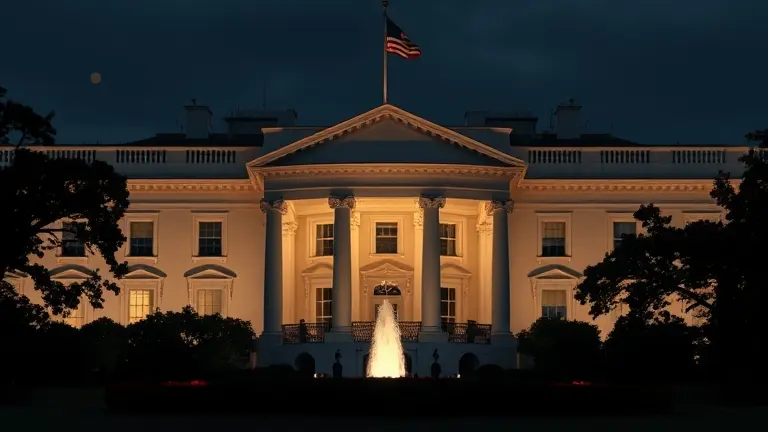
The staging of ‘UFC Freedom 250’ on the White House South Lawn was more than just a fight card; it was a cultural watershed moment that immediately collided with a firestorm of statistical controversy. When the UFC and Paramount announced a staggering 34 million total global viewers on June 26, 2026, the industry was left reeling, particularly after initial US-specific reports suggested a figure closer to 17 million. This massive gap has fueled intense debate across platforms like Reddit and X, leaving fans and analysts to question how ‘global’ metrics are calculated and whether the event truly reached the heights of traditional mega-cards like UFC 300.
But what is the reality behind these numbers? As we peel back the layers of the UFC’s claims, we find ourselves navigating a labyrinth of differing measurement standards, regional streaming nuances, and pure marketing posturing. In an era where data is often weaponized to solidify brand prestige, separating fact from hyperbole is essential for any serious observer. This breakdown aims to move past the press release headlines, providing a neutral, data-centric look at the ‘Freedom 250’ viewership, and perhaps more importantly, why your ability to process this conflicting information is being tested like never before.
Unpacking the UFC Freedom 250 Viewership: The 34 Million Figure Explained

The announcement on June 26, 2026, regarding UFC Freedom 250—the unprecedented mixed martial arts event held on the White House South Lawn—ignited a complex debate surrounding UFC White House audience statistics. While early reports pegged viewership at 17 million for the United States and Latin American markets, the official data later ballooned to a staggering 34 million total global viewers. This discrepancy highlights the evolving nature of media measurement in a digital-first era, where the methodology behind “global reach” often differs significantly from traditional domestic Nielsen-style ratings.
Understanding the Discrepancy
To reconcile the 17 million figure with the final 34 million total, industry analysts point to the unique distribution model utilized for this landmark broadcast. The surge in numbers is primarily attributed to several key factors:
- Global Streaming Aggregation: Unlike standard Pay-Per-View events, the partnership with Paramount allowed for broader international distribution, capturing viewers across diverse digital platforms and territories that are often excluded from US-centric reporting.
- Non-Unique Viewer Metrics: Digital platforms frequently account for impressions across multiple devices and social media snippets, which can inflate total reach metrics compared to traditional household television ratings.
- Geopolitical Significance: The novelty of the White House venue acted as a massive international draw, driving significant non-traditional MMA fan interest from overseas markets.
While skeptics in communities like r/ufc remain vocal about the validity of these calculations compared to historical benchmarks like UFC 300, the data confirms that UFC Freedom 250 succeeded in expanding the brand’s reach. By analyzing the 34 million figure as a composite of both long-form viewership and short-form digital engagement, it becomes clear that the event’s impact was not just local, but a global cultural phenomenon that significantly shifted the benchmark for future marquee events.
Local vs. Global: Visualizing the Data Breakdown

To understand the UFC White House audience statistics, it is essential to distinguish between localized engagement and the sprawling international footprint of “UFC Freedom 250.” While initial reports centered on the 17 million viewers across the United States and Latin America, the updated figure of 34 million total global viewers presents a more complex narrative of the organization’s reach. This discrepancy highlights a fundamental shift in how sports media conglomerates measure success: moving away from traditional pay-per-view buy rates toward a holistic “total audience” metric that accounts for international streaming partnerships, social media syndication, and regional broadcasting deals.
Deconstructing the Viewership Metrics
The expansion of the UFC brand into non-traditional markets has clearly paid dividends in global visibility. By hosting such a high-profile event at the White House, the promotion leveraged the cultural gravity of the venue to capture interest beyond its core demographic. Analysts point to three primary drivers behind the 34 million figure:
- Integrated Streaming Reach: A significant portion of the international growth is attributed to Paramount’s global distribution network, which lowers the barrier to entry compared to traditional, high-cost PPV models.
- Localized Broadcast Partnerships: The 17 million domestic and Latin American viewers represent the “hard core” audience, while the remaining 17 million demonstrate the power of overseas syndication in Europe and Asia.
- The “Event” Effect: By positioning “Freedom 250” as a historic cultural milestone rather than a standard fight card, the UFC effectively marketed the broadcast to casual fans who typically do not purchase UFC content.
Ultimately, this data suggests that while the US market remains the engine of the promotion’s revenue, the global audience is becoming its primary vehicle for brand scaling. The intense discourse surrounding these figures on social media reflects a growing sophistication among fans who are now questioning the methodology behind these numbers, specifically whether “global reach” can be equated to the high-intent engagement associated with domestic market dominance. As the UFC continues to expand its international footprint, the gap between local impact and global statistics will likely remain a focal point for industry observers.
The Validity Debate: Addressing Community Skepticism

The announcement of 34 million total global viewers for ‘UFC Freedom 250’ has ignited a fierce debate across social media platforms like Reddit and X. Much of the skepticism surrounding these ufc white house audience statistics stems from a lack of clarity regarding how the UFC and Paramount calculated their reach. Critics argue that the “total global viewer” metric—which often encompasses casual social media views, replays, and aggregated digital impressions—differs significantly from traditional concurrent live viewership metrics used for legacy cable and Pay-Per-View (PPV) events.
Understanding the Methodology Gap
The primary point of contention for fans involves the distinction between unique live households and cumulative digital reach. Industry experts note that digital streaming partners often report “total reach,” which accounts for anyone who spent a minimal amount of time on a stream, whereas traditional PPV models rely on direct purchase verification. By analyzing the current discourse, we can categorize the community’s primary concerns into three main buckets:
- Inconsistent Definitions: Fans frequently compare ‘Freedom 250’ to UFC 300, questioning why the methodology shifted to favor broader, less verifiable global metrics rather than keeping strict purchase data.
- Geographical Weighting: With initial reports citing 17 million viewers for the US and Latin America, observers are struggling to reconcile how an additional 17 million viewers were captured across the rest of the globe without a corresponding surge in international marketing spend.
- Platform Ambiguity: Skeptics point out that streaming partner Paramount’s reporting includes multi-platform distribution, which may include shortened clips or promotional social media snippets, potentially inflating the actual event consumption numbers.
While the UFC maintains that these metrics provide a more accurate representation of the modern, multi-channel viewing experience, the disconnect between “total reach” and “live engagement” remains a sticking point. For the casual observer, the 34 million figure acts as a massive PR milestone; however, for the data-driven MMA community, it serves as a reminder that as media consumption migrates from cable to digital, the way we quantify success is becoming increasingly opaque and open to interpretation.
The Cultural and Political Impact of the South Lawn Stage

The decision to host UFC Freedom 250 on the South Lawn of the White House represents a watershed moment in the intersection of sports entertainment and national policy. By moving the Octagon from traditional arenas like the T-Mobile Arena to the heart of the American executive branch, the UFC successfully transformed a standard sporting event into a high-stakes cultural spectacle. This strategic venue choice was not merely for aesthetic purposes; it acted as a global magnet, drawing in viewers who might otherwise remain indifferent to mixed martial arts. Evidence suggests that the sheer novelty of the White House stage served as the primary catalyst for the unprecedented 34 million global viewers reported by stakeholders.
Analyzing the Global Curiosity Factor
The impact of this location goes beyond mere venue novelty, influencing how different demographics perceived the broadcast. The political gravity of the setting created a “must-watch” atmosphere that bridged the gap between traditional MMA fandom and mainstream audiences. The surge in international interest, which helped bolster the reported viewership figures beyond the initial 17 million US and Latin American estimates, can be attributed to several factors:
- Geopolitical Symbolism: The event signaled a formal recognition of the UFC’s cultural influence, validating the sport in territories where it previously struggled for mainstream acceptance.
- Media Saturation: The White House setting garnered extensive non-sports news coverage, providing a promotional platform that traditional arenas simply cannot match.
- Event Branding: By titling the event ‘Freedom 250,’ organizers effectively framed the sport as a core pillar of American culture, which resonated deeply with both domestic enthusiasts and global curious viewers.
Despite the controversy surrounding the methodology of these UFC White House audience statistics, the cultural impact is undeniable. The spectacle effectively turned an athletic competition into a global news event, demonstrating the massive power of location-based marketing in an increasingly fragmented media landscape. Whether or not these metrics are viewed with skepticism, the White House backdrop ensured that ‘Freedom 250’ would be remembered as one of the most visible events in combat sports history.
Sharpen Your Analytical Edge
Ultimately, the disparity between the initial 17 million US-based viewership count and the final 34 million global figure for UFC Freedom 250 highlights the complexity of modern media metrics. Whether these numbers represent a historic milestone or an aggressive rebranding of what constitutes a ‘viewer,’ the debate serves as a masterclass in how data can be shaped to fit a narrative. For the dedicated fan, sifting through these conflicting methodologies and the resulting online noise requires significant mental endurance.
Sifting through the conflicting methodologies of UFC’s viewership claims requires significant mental endurance; many enthusiasts are turning to advanced audio stimulation to sharpen their focus and cut through the confusion. If you find yourself experiencing ‘brain fog’ while trying to reconcile dense statistical data, it is time to upgrade your cognitive toolkit. The Brain Song offers a specialized, non-invasive audio routine designed to enhance mental clarity, allowing you to parse through breaking sports news with precision and calm.
By integrating this neuroscience-based approach into your daily habit, you transform from a passive consumer of industry skepticism into a sharp, informed observer. Don’t let the complexity of media reports cloud your judgment; give your mind the clarity it needs to stay ahead of the narrative.
 Optimize your analytical focus for the next big event: Try The Brain Song’s 12-minute daily routine to clear the mental fog.Yes, I Want to Sharpen My Focus!