
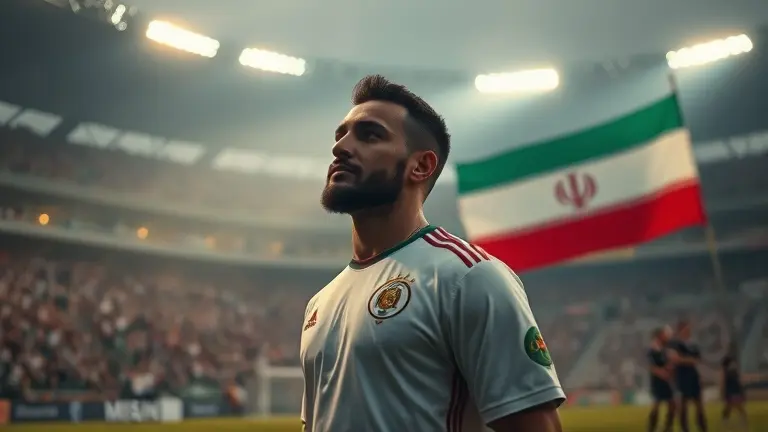
On June 26, 2026, the global spotlight will intensely converge on Seattle’s Lumen Field for a high-stakes FIFA World Cup 2026™ Group G final that promises far more than just 90 minutes of football. As Egypt and Iran prepare to clash in a match that serves as a virtual knockout stage playoff, the atmosphere is electric with both tactical anticipation and off-pitch tension. The sporting narrative, focused on each team’s drive for international glory, has become inextricably linked with a complex cultural debate surrounding the match’s timing during Pride month.
The controversy—triggered by official requests from the Egyptian and Iranian federations to modify host-city traditions—has sparked a significant international discourse on the delicate balance between the inclusive, commercial agenda of global tournaments and the deeply held values of participating nations. As the world watches this collision of diplomacy, sport, and societal values, the necessity for objective analysis has never been greater. Navigating these layered narratives requires not just an interest in football, but a sharp, analytical mind capable of processing intense stimuli without being swayed by the surrounding noise.
The Diplomatic and Cultural Backdrop: Egypt vs. Iran at Lumen Field
The Egypt vs Iran fixture scheduled for June 26, 2026, at Lumen Field in Seattle, represents one of the most complex intersections of sport and diplomacy in the FIFA World Cup 2026™ calendar. As both nations battle for a critical position in Group G to advance to the knockout stages, the match has transcended typical athletic rivalry. The game coincides with Pride Month in the United States, a period during which host cities like Seattle prominently display inclusive branding. This convergence has created a unique friction point between the host nation’s social policies and the conservative cultural frameworks upheld by the visiting football federations.
Addressing Institutional Conflicts
Reports indicate that both the Egyptian and Iranian football associations formally requested that FIFA remove or suppress Pride-themed imagery and programming associated with the match day. The federations cited national cultural and religious sensitivities, arguing that these themes interfere with the focus on the sporting contest. However, FIFA maintained its commitment to its global inclusivity mandates, officially denying the requests to alter the visual presentation of the match. This decision underscores the challenges FIFA faces in balancing its “Football Unites the World” platform with the diverse value systems of its participating member nations.
Key elements defining this tension include:
- Host City Integration: Seattle’s local government and stakeholders have maintained that the tournament will reflect the city’s identity, including its support for LGBTQ+ rights during the month of June.
- FIFA’s Neutrality Doctrine: While FIFA promotes inclusivity, the organization often finds itself navigating a fine line between enforcing universal standards and respecting the sovereign cultural codes of participating delegations.
- Global Media Impact: The dispute has drawn international media attention, turning an iran vs egypt showdown—usually analyzed solely through a tactical lens—into a case study on the globalization of cultural politics.
By refusing to modify the event, FIFA has signaled that tournament-wide branding policies will remain uniform, regardless of the individual cultural objections raised by specific nations. This incident highlights an evolving reality for the modern FIFA World Cup 2026™: the necessity of managing off-pitch sensitivities with as much rigor as the tactical preparation on the field.
Tactical Breakdown: Strategies for the Final Group G Stand-off
The Egypt vs Iran clash at Lumen Field represents a high-stakes chess match where tactical identity will dictate the progression into the knockout rounds of the FIFA World Cup 2026™. Egypt, under their current tactical evolution, relies heavily on a high-octane offensive transition. Their game plan centers on utilizing quick vertical passes to exploit spaces behind the opponent’s defensive line. With a focus on speed in the final third, the Egyptian coaching staff is expected to field a 4-3-3 formation, prioritizing wide-area overloads and inverted wingers who can cut inside to create shooting lanes.
Conversely, Iran vs Egypt presents a stark stylistic contrast. Iran enters the fray with a reputation for a highly disciplined, low-block defensive structure. Their tactical approach is rooted in compactness; they aim to frustrate opponents by clogging the midfield and utilizing an aggressive zonal marking system. Against Egypt’s pace, Iran is likely to adopt a rigid 4-5-1 or 5-4-1 setup, looking to disrupt rhythm and capitalize on set-piece opportunities.
Key Players and Strategic Objectives
To secure a crucial victory, both teams must maximize their individual strengths through specific tactical maneuvers:
- Egypt’s Playmaking: Success hinges on the ability of their midfield orchestrators to thread balls through the middle, testing the durability of the Iranian defensive bank.
- Iran’s Counter-Attacking: Iran will likely utilize long-ball transitions, relying on target-man physicality to hold up play and bring late-arriving midfielders into the attacking mix.
- Transition Control: The match will likely be won or lost in the middle of the pitch. If Egypt manages to pin Iran deep, the pressure on the Iranian backline may eventually lead to structural gaps. However, if Iran successfully maintains its shape, they may draw Egypt out of position, setting the stage for lethal, calculated counter-attacks.
As the match progresses, depth will be tested, and the ability of each manager to execute timely substitutions will be paramount to maintaining tactical discipline during the dying minutes of this pivotal group stage finale.
Group G Standings: The Path to the Knockout Stage
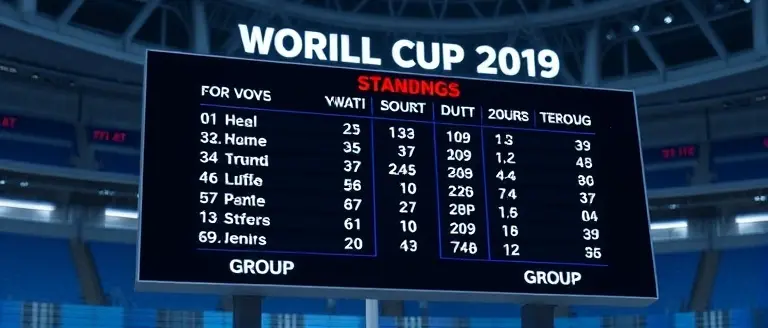
As the FIFA World Cup 2026™ approaches its high-stakes conclusion in Group G, the clash between Egypt vs Iran at Lumen Field has become the definitive decider for the Round of 16. Heading into this final matchday, the standings remain incredibly tight, with only a few points separating the top three nations. Both teams arrive in Seattle knowing that the margin for error is razor-thin, as goal differential could ultimately determine which side keeps their tournament dreams alive.
Mathematical Scenarios for Progression
The stakes for Iran vs Egypt are clear, as both squads analyze the permutations required to advance:
- Egypt’s Path: With a solid showing in their opening two matches, Egypt enters the game in a favorable position. A win guarantees them a top-two finish. However, a draw could also be enough to progress, provided the secondary match in the group ends in their favor or the goal differential remains superior to their nearest rivals.
- Iran’s Path: Iran finds itself in a “must-win” or “must-draw-and-hope” scenario. To bypass the complexities of tie-breaking rules, securing three points is their primary objective. Should they settle for a draw, they would rely heavily on the final scoreline of the other Group G match, making it a tense evening for their supporters.
- The Tie-Breaker Reality: If both teams finish on equal points, the tournament format dictates that total goal difference, followed by total goals scored, will be the primary metrics. Currently, the defensive discipline displayed by both teams has kept the group congested, increasing the likelihood that the tie-breaking criteria will prove decisive in Seattle.
Ultimately, this fixture is more than just a match; it is a tactical chess match where defensive stability will be prioritized alongside aggressive counter-attacking. Fans watching the FIFA World Cup 2026™ can expect both federations to utilize every available minute to secure the points necessary to continue their journey toward the final trophy.
Navigating Global Perspectives: Sports, Politics, and Venue Hosting
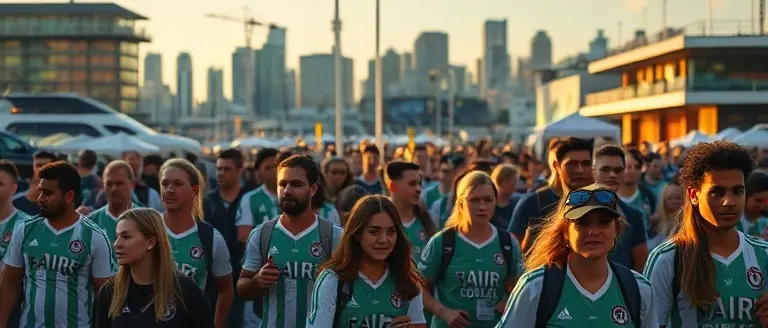
The Egypt vs Iran match at the FIFA World Cup 2026™ has transcended the boundaries of a standard athletic contest, highlighting the complex intersection of global sporting events and localized social policy. When international tournaments are hosted in cities like Seattle, which maintains a distinct alignment with specific cultural initiatives, a friction point naturally emerges between the universal values of the host region and the traditional or conservative stances held by participating federations. The specific request by Egyptian and Iranian football authorities to distance their match from Pride-related themes serves as a primary case study for how global organizations like FIFA must mediate conflicting ideologies on a high-stakes, public stage.
The Balancing Act for FIFA
FIFA faces the daunting task of maintaining its stated goal of universal inclusivity while respecting the sovereignty and cultural sensitivities of its 211 member associations. The controversy surrounding the iran vs egypt fixture underscores the difficulty in enforcing a uniform global standard within a tournament that traverses vastly different socio-political landscapes. To address these challenges, observers point to several key factors that influence how international bodies navigate such disputes:
- Policy Neutrality vs. Initiative Advocacy: FIFA’s internal debates focus on whether to prioritize strict political neutrality or to leverage the tournament as a platform for global social campaigns.
- Host City Autonomy: Seattle’s role as a progressive hub provides a sharp contrast to the values represented by visiting delegations, illustrating the “mirror effect” where the tournament reflects contemporary international frictions.
- Commercial and Cultural Integrity: Striking a balance between the expectations of local fans and the requirements of foreign governing bodies remains a critical tension for tournament organizers.
Ultimately, this confrontation functions as a litmus test for the future of mega-events. As the FIFA World Cup 2026™ progresses, the incident at Lumen Field suggests that the future of international sports will increasingly involve navigating these delicate geopolitical realities rather than simply relying on traditional sporting diplomacy. By choosing to hold its ground while acknowledging the federations’ concerns, FIFA is effectively defining a new, albeit contentious, precedent for how future tournaments will accommodate diverse worldviews within a unified competition.
Sharpening Your Perspective in a Complex Global Landscape
The clash between Egypt and Iran is a microcosm of the modern international tournament experience, where sporting excellence, geopolitical sensitivity, and the host nation’s cultural identity intersect. Whether you are analyzing the tactical formations on the pitch or the intricate diplomacy behind the scenes, the ability to remain balanced is the mark of a true student of the game. Maintaining mental neutrality amidst such polarizing discourse is not merely a preference; it is a vital skill for anyone striving to understand the full complexity of the 2026 World Cup.
Navigating the intersection of international sports diplomacy and cultural sensitivity requires a clear and objective mind; just as teams train their cognitive focus for the pitch, fans can leverage advanced auditory stimulation to process complex narratives without the mental fog of bias. This is where The Brain Song becomes an indispensable tool for the discerning sports intellectual. By integrating this performance enhancer into your analytical routine, you gain the cognitive stamina and improved mental clarity required to evaluate controversial information with precision and calm.
As we approach the defining moments of the tournament, don’t let emotional fatigue cloud your perception. Empower yourself to stay sharp, focused, and objective, turning the noise of the global media cycle into a coherent, manageable stream of information. Ensure your analytical edge is as ready for the final whistle as the athletes on the field.
 Optimize your focus for the World Cup’s most challenging debates: Experience the cognitive benefits of The Brain Song today.Sharpen My Mind Now!