
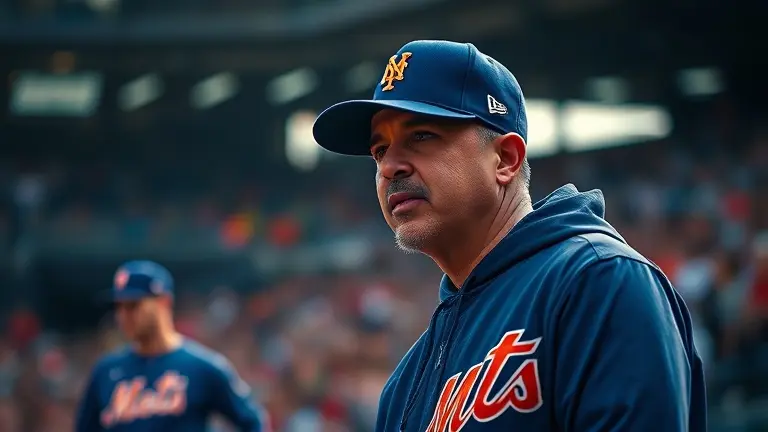
The New York Mets’ turbulent 2026 season hit a breaking point on the morning of June 26, when the organization officially fired manager Carlos Mendoza. Despite a staggering payroll of nearly $330 million, the team’s abysmal 34-47 start proved insurmountable for owner Steve Cohen. With the franchise spiraling toward another lost summer and failing to meet even the most modest expectations, the decision reflects a clear message that, in Cohen’s words, “fans deserve better.”
As the front office looks to salvage the remainder of the season, the focus shifts immediately to Andy Green. Previously serving as the Mets’ vice president of player development, Green has been tapped to lead the dugout on an interim basis. This transition raises urgent questions: Can Green provide the tactical stability that was missing under Mendoza, and how will this managerial pivot shape the organization’s high-stakes search for a permanent leader in 2027? As the pressure mounts in Queens, the focus is now squarely on performance, resilience, and the cognitive discipline required to navigate one of MLB’s most demanding environments.
Why Was Carlos Mendoza Fired? The Breakdown of the Mets’ Collapse
The tenure of Carlos Mendoza as manager of the New York Mets officially came to an end on June 26, 2026, following a dismal start to the campaign that left the organization with little choice but to pursue a change in leadership. With the team languishing at a 34-47 record and sitting near the bottom of the NL East standings, the decision was driven by an inability to translate massive financial investment into on-field production. Despite entering the season with a payroll nearing $330 million—one of the highest in Major League Baseball—the squad consistently failed to meet expectations, leaving ownership with no room for patience.
The Financial Disconnect and Ownership Frustration
The primary catalyst for the dismissal was the glaring disparity between the NY Mets‘ high-priced roster and their lack of competitiveness. Owner Steve Cohen, who has been vocal about his desire to build a championship-caliber franchise, expressed profound dissatisfaction with the trajectory of the season. In a public statement addressing the firing, Cohen emphasized that “fans deserve better,” signaling that the status quo had become untenable. Key factors leading to the organization’s decision included:
- Underperformance relative to payroll: The team’s inability to win despite a $330 million investment created significant pressure on the front office.
- Lack of identity: Analysts noted a recurring struggle to secure consistent wins, leaving the team buried in the division.
- Urgency for change: By dismissing Mendoza in late June, the front office aimed to provide a “reset” for the remainder of the 2026 season.
As the franchise pivots, Andy Green, who previously served as the team’s vice president of player development, has been appointed as the interim manager. The transition to Andy Green Mets leadership is intended to stabilize the clubhouse and evaluate the roster’s potential as the front office begins looking toward the 2027 season and beyond. For now, the focus shifts to whether this coaching shakeup can spark the turnaround that the organization’s high-spending strategy demands.
Andy Green: Meet the Mets’ Interim Manager
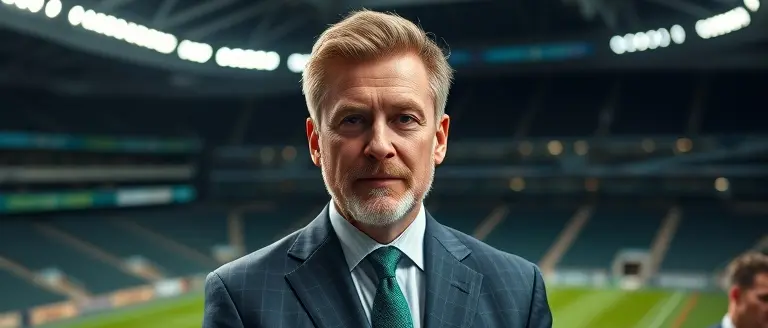
Following the departure of Carlos Mendoza on June 26, 2026, the New York Mets have turned to a familiar face to steady the ship. Andy Green, who previously served as the Mets’ vice president of player development, has been tapped to take over the managerial duties for the remainder of the 2026 season. His promotion is viewed by the front office as a strategic move to leverage his deep familiarity with the organization’s current roster and minor league pipeline. By installing Green, the organization aims to bridge the gap between their expensive, underperforming veteran core and the developmental systems he has been instrumental in overseeing.
A Proven Track Record in the Dugout
Green brings significant experience to the role, most notably his tenure as the manager of the San Diego Padres from 2016 to 2019. During that period, he was tasked with navigating a rebuilding phase, which allowed him to refine his leadership style under pressure. His return to the hot seat at Citi Field is expected to shift the team’s focus toward accountability and fundamental execution.
Key attributes defining his leadership include:
- Strategic Communication: Known for maintaining a transparent relationship with players, which is critical for a team currently struggling with morale.
- Player Development Focus: Having served as VP of player development, he possesses an expert understanding of how to extract value from younger prospects while keeping veterans engaged.
- Analytical Integration: Green is noted for his ability to blend modern, data-driven decision-making with traditional clubhouse rapport, a balance the NY Mets desperately lacked under the previous regime.
For a team carrying a staggering $330 million payroll, the pressure on Andy Green Mets management to produce results is immediate. The goal for the second half of the season is not just to improve the 34-47 record, but to instill a culture of professionalism that can sustain the club through a potential transition into the 2027 season.
Analyzing the Mets’ Path Forward: Post-Mendoza Strategy
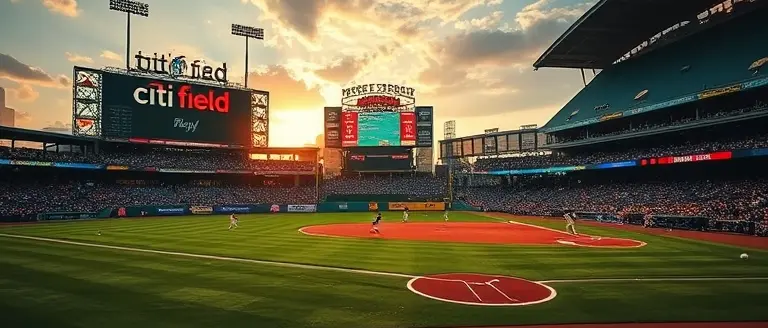
The dismissal of Carlos Mendoza following a disappointing 34-47 start has forced the New York Mets into a period of immediate recalibration. By appointing Andy Green—who previously served as the organization’s vice president of player development—as the interim manager, the front office is signaling a strategic pivot toward internal continuity and developmental accountability. Rather than bringing in an external personality to overhaul the clubhouse culture overnight, the decision to promote Green suggests that the NY Mets ownership prioritizes stabilizing the existing roster and maximizing the output of high-priced assets. Under the current $330 million payroll, the pressure on the coaching staff to produce results has reached a breaking point, and Green is tasked with bridging the gap between talent acquisition and on-field execution.
Tactical Shifts and Organizational Philosophy
The transition to Andy Green Mets leadership is expected to bring a more analytical and process-driven approach to the dugout. Green’s extensive background in player development provides him with a unique lens through which to assess the underperforming stars currently filling the Mets roster. His tenure as interim manager will likely focus on several key operational areas:
- Refining In-Game Decisions: Moving away from the rigid tactical frameworks that characterized the Mendoza era toward a more flexible, data-backed approach to bullpen usage.
- Player Development Integration: Leveraging his familiarity with the farm system to identify which prospects may provide a spark for the struggling big-league squad.
- Stabilizing Team Morale: Addressing the psychological toll of a massive payroll failure by simplifying daily expectations and fostering a more communicative environment.
The remainder of the 2026 season serves as an extended audition for both the roster and the coaching staff. By opting for an internal promotion, the front office retains flexibility for a permanent managerial search in the 2027 offseason, keeping options open for high-profile candidates while allowing Green the runway to stabilize the ship. For the New York Mets, the primary goal is no longer just about wins, but about determining which components of this expensive team are worth salvaging for the long-term future.
Long-Term Managerial Options for the New York Mets
The dismissal of Carlos Mendoza marks a pivotal shift for the New York Mets, forcing owner Steve Cohen and his front office to rethink the team’s organizational direction. With the 2026 season effectively transitioning into an evaluation period, the search for a permanent successor will likely prioritize leaders who can maximize the output of a $330 million payroll. The current reliance on Andy Green provides a bridge, but the off-season will demand a rigorous vetting process that balances tactical acumen with the ability to manage a high-pressure, high-expectation environment.
Criteria for the Next Permanent Skipper
Moving forward, the Mets front office is expected to seek candidates who possess a blend of modern analytical integration and traditional leadership gravitas. The primary criteria for the upcoming search will include:
- Proven Clubhouse Leadership: Experience navigating the unique challenges of the New York media market.
- Strategic Adaptability: A track record of making high-leverage bullpen decisions that align with front-office data.
- Veteran Communication Skills: The ability to command respect from star-studded rosters that have previously struggled to coalesce under high financial stakes.
Internal Interim vs. External Search
The debate regarding whether to retain Andy Green or pursue a high-profile veteran will define the off-season discourse. Sticking with an internal candidate offers continuity, but evidence suggests the organization may prioritize a “name” manager to signal a new era of accountability to the fanbase. If the team targets an external hire, speculation may turn toward established figures like Alex Cora or other veteran bench coaches with championship pedigree. Regardless of the route taken, the new York Mets must ensure that the next manager is fully aligned with the long-term vision of the franchise, as the status quo—defined by the failure of the Mendoza era—is no longer sustainable for a championship-caliber payroll.
Restoring Focus in the Face of High-Stakes Pressure
The firing of Carlos Mendoza and the installation of Andy Green marks a defining moment for the 2026 New York Mets. While the shift is intended to bring fresh strategy and accountability to the clubhouse, it also serves as a sobering reminder of the intense mental demands placed on those operating at the highest levels of professional sports. When the stakes are at their peak and every decision is scrutinized by millions, maintaining absolute cognitive clarity is the ultimate competitive advantage.
Just as the Mets organization is banking on Andy Green to restore mental discipline and strategic focus to the dugout, many high-performing professionals are turning to innovative methods to sharpen their own focus during their most demanding seasons. The challenges faced by the team mirror the cognitive toll experienced in any high-pressure career where clarity determines success or failure.
This is where The Brain Song becomes your essential professional performance tool. Utilizing science-backed, non-invasive auditory stimulation, it is designed to help you optimize your mental capacity and maintain resilience even when the pressure is at its maximum. By bridging the gap between chaotic professional environments and the need for peak mental sharpness, this tool allows you to stay as focused and decisive as the leaders who thrive under the lights.
 See how you can optimize your own focus and cognitive edge during this season’s high-pressure moments.Transform My Mental Focus Today!