
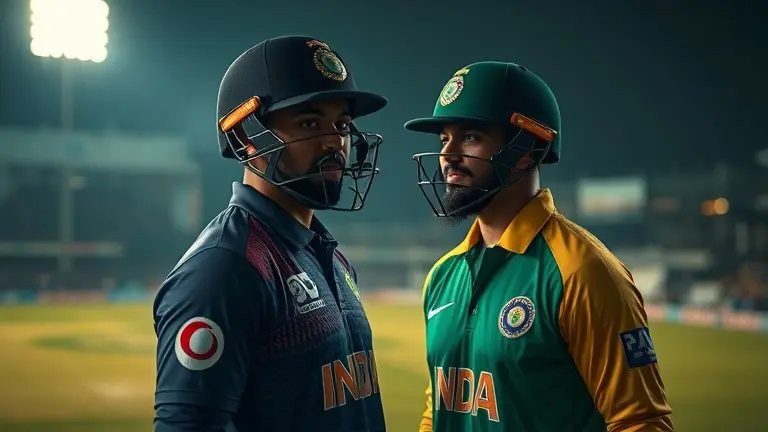
The dust has settled in Belfast, but the shockwaves of Ireland’s historic 34-run victory over India in the 1st T20I are still being felt across the cricketing world. What was meant to be a showcase of India’s bench strength and the much-hyped potential of young stars like Vaibhav Sooryavanshi turned into a tactical masterclass by the Irish, exposing cracks in the Indian setup under Shreyas Iyer’s new captaincy. As fans and pundits dissect the collapse, the conversation has moved far beyond the final scoreboard.
IRE vs IND has become more than just a match summary; it is a case study in high-pressure performance. The intense scrutiny facing the Indian squad—and the agonizing wait for youth talent to take the stage—mirrors the cognitive load we all face when navigating high-stakes environments. To understand why this loss matters, we must look at the mental demands placed on players, the implications for future team selection, and how elite-level focus defines the difference between a crushing defeat and a historic win.
Recap: The Historic IRE vs IND Belfast Clash

The IRE vs IND clash on June 26, 2026, at the Civil Service Cricket Club in Belfast will be remembered as a watershed moment in international cricket. Entering the match, expectations were high for a dominant display by the Indian side, particularly as they embarked on a new era under the leadership of Shreyas Iyer. However, the narrative shifted rapidly as Ireland delivered a clinical and composed performance, securing a historic 34-run victory. The result sent shockwaves through the global cricketing community, proving once again that the gap between established giants and emerging cricket nations is closing at a rapid pace in the T20I format.
Key Factors in Ireland’s Historic Upset
The match was defined by Ireland’s disciplined bowling attack and an inability of the Indian top order to navigate the specific challenges posed by the Belfast surface. Despite the heavy media focus surrounding the potential debut of 15-year-old prodigy Vaibhav Sooryavanshi, the reality of the match played out quite differently than many had anticipated. Several factors contributed to this landmark result:
- Tactical Superiority: Ireland utilized the conditions at the Civil Service Cricket Club perfectly, effectively stifling India’s power hitters throughout the middle overs.
- Captaincy Pressure: Shreyas Iyer faced immense scrutiny during his first outing as the permanent white-ball leader, with analysts pointing to defensive field placements as a potential turning point that allowed Ireland to post a challenging total.
- Execution Failure: India’s chase faltered early, and despite a few flashes of brilliance, the team was unable to build the necessary partnerships to keep pace with the required run rate.
This loss serves as a significant reality check for the Indian selectors and coaching staff. While the hype surrounding young talents like Sooryavanshi highlights the depth of the Indian talent pool, the match underscored that international success requires more than just raw potential. As the dust settles on this IRE vs IND encounter, the focus now shifts toward how the Indian squad will adapt its strategy and team composition to avoid similar upsets in the future. For Ireland, the victory stands as a testament to their growing maturity and tactical depth on the world stage.
Five Key Takeaways from the 1st T20I
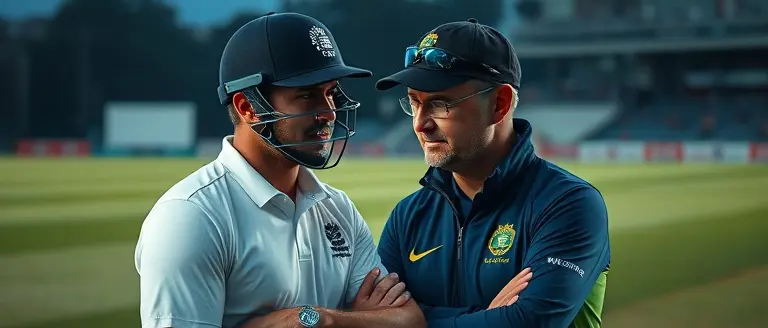
The IRE vs IND clash in Belfast served as a sobering reality check for the Indian cricket team as they embarked on a new era under Shreyas Iyer’s leadership. Ireland’s 34-run victory was not merely a stroke of luck; it was a masterclass in tactical discipline and composure against a star-studded lineup. Several technical and strategic factors contributed to this historic upset:
Tactical Brilliance and Pitch Management
Ireland’s bowlers executed a meticulous plan on a pitch that offered subtle movement and uneven bounce. By maintaining a tight line and length, the Irish attack effectively restricted the Indian batters, preventing them from rotating the strike consistently. The Belfast conditions demanded patience, a trait the Irish bowlers displayed in abundance while the Indian side appeared prone to aggressive shots that the surface simply did not permit.
Key Analytical Insights:
- The Bowling Discipline: Ireland utilized the conditions at the Civil Service Cricket Club to perfection, exploiting the seam movement early on. Their ability to stifle India’s power-hitters early in the innings was the primary catalyst for the Indian batting collapse.
- Captaincy Under Pressure: While this marked the beginning of the Shreyas Iyer era, the tactical maneuvers were found wanting. India struggled to adapt to the slowing pitch, often opting for cross-batted shots rather than conventional cricket strokes.
- Momentum Shifts: The middle-over phase proved fatal for India. Ireland’s spinners capitalized on the pressure created by the pacers, taking crucial wickets that halted any attempt at building a sustainable partnership.
- The Debut Question: The absence of Vaibhav Sooryavanshi sparked significant debate. Analysts suggest that the team management’s decision to omit the 15-year-old phenom reflects a cautious approach to integrating youth into high-pressure environments, though many argue his aggressive flair might have been the X-factor needed to navigate the tricky pitch.
- Strategic Lessons: This match serves as a reminder that T20 cricket is as much about pitch adaptation as it is about raw power. India must recalibrate its middle-order strategy to handle disciplined bowling attacks that prioritize accuracy over pace.
Ultimately, the 1st T20I highlights the narrowing gap between top-tier nations and emerging cricket programs, proving that tactical discipline remains the ultimate equalizer in modern T20 cricket.
The Debut of Vaibhav Sooryavanshi: A New Era?

The international debut of 15-year-old Vaibhav Sooryavanshi during the IRE vs IND 1st T20I at the Civil Service Cricket Club was arguably the most discussed narrative leading up to the match. While the final result saw a shock victory for Ireland, the inclusion of such a young talent signals a definitive shift in the BCCI’s strategic mandate. By fast-tracking a player of his age, selectors are clearly signaling a “youth-first” approach aimed at building a robust pipeline for the future of Indian T20I cricket.
Technical Temperament Under Pressure
Observers watching the India vs Ireland encounter noted that Sooryavanshi displayed a level of technical maturity rarely seen in teenagers. Even amidst a challenging bowling attack, he demonstrated:
- Composure: An ability to rotate the strike effectively, keeping the scoreboard moving under high-pressure scenarios.
- Defensive Reliability: A solid technique against pace, suggesting he has been well-prepared by elite domestic coaching structures.
- Adaptability: The capacity to adjust his shot selection based on the pitch conditions at Belfast, which proved treacherous for more experienced players.
This debut suggests that the Indian management is prioritizing “match readiness” over chronological age. By exposing a 15-year-old to the rigors of international cricket, the team is looking to accelerate the transition period following the departure of senior stalwarts. While the 34-run loss to Ireland was a setback, the integration of players like Sooryavanshi serves as a long-term investment. Moving forward, the focus will likely remain on whether these young prospects can maintain their consistency across different international venues. Evidence suggests that if he continues to perform with such technical poise, he will become a permanent fixture in the Shreyas Iyer captaincy era, serving as the cornerstone for India’s upcoming T20 campaigns.
Implications for India’s T20I Squad Selection

The shock defeat in the IRE vs IND 1st T20I at Belfast has sent tremors through the Board of Control for Cricket in India (BCCI) corridors, forcing an immediate re-evaluation of the team’s current selection trajectory. Under the newly minted Shreyas Iyer captaincy era, the management’s experiment to balance seasoned campaigners with untested youth proved costly. The failure to chase a modest total suggests that the middle order lacks the requisite stability to navigate tricky conditions, highlighting a significant gap between domestic performance and international pressure. This loss serves as a vital “wake-up call” for selectors, who must now decide whether to continue their current rotation policy or anchor the squad with more consistent, experienced professionals.
The Balancing Act: Youth vs. Experience
The discourse surrounding the omission of high-potential talents, such as Vaibhav Sooryavanshi, has intensified following the loss. While the integration of youth is essential for building a future-proof squad, the tactical failure in Ireland proves that raw talent cannot compensate for a lack of situational awareness. Key takeaways for the selection committee include:
- Middle-Order Consolidation: The team requires reliable finishers who can stabilize the innings when top-order wickets fall early.
- Strategic Flexibility: Coaching staff must prioritize players with experience in varying international conditions over those who only dominate on flat, batting-friendly tracks.
- Accountability Protocols: Frequent squad changes, while helpful for bench strength, have clearly disrupted the team’s internal chemistry.
Moving forward, the selection panel must move away from the “squad depth” experiment if it comes at the expense of match-winning cohesion. The IRE vs IND result is a stark reminder that even a secondary-tier opponent, when disciplined, can dismantle an improperly prepared Indian side. Expect a more pragmatic approach in upcoming bilateral series, with a likely return to a core group of players while reserving experimental spots for only one or two specific roles. The transition period under the new captaincy now carries the weight of higher expectations, making future series critical for defining the tactical identity of this T20I unit.
Elevate Your Mental Game Beyond the Boundary
The shock defeat in the IRE vs IND T20I serves as a stark reminder that even the most talented squads can crumble under the weight of unforeseen pressure. While the Indian team navigates the fallout of this historic loss and considers the future of its youth development, we are left with a fundamental lesson: excellence in any arena is rarely a product of brute force, but of supreme cognitive clarity and the ability to maintain composure under fire.
Just as a professional cricketer needs peak mental clarity to process game-changing decisions in milliseconds, your own daily analytical performance relies heavily on your ability to maintain focus and combat the cognitive fatigue that slows down your decision-making. You don’t need to be standing on the pitch in Belfast to understand the value of a sharp mind; you need it to navigate the complexities of your personal and professional life.
This is where The Brain Song becomes your essential mental coach. By utilizing neuroscience-based auditory stimulation, this tool acts as a precision instrument to clear away mental fog and supercharge your focus. Whether you are analyzing high-stakes data or simply looking to regain your edge, our auditory technology provides the cognitive upgrade necessary to excel. It is time to treat your mental performance with the same strategic dedication as a pro athlete.
 Unlock your peak mental performance today and see how 12 minutes of auditory stimulation can clear your brain fog and sharpen your focus.Yes, I Want This Now!