

As the July 4th holiday approaches, millions of Americans are anxiously monitoring the skies, with weather reports creating a ripple of concern across the Northeast and the Atlantic coast. Between the encroaching ‘midwest heat dome’ threatening record-breaking temperatures in states like New Jersey and the National Hurricane Center’s active tracking of tropical waves in the Atlantic, the forecast for this year’s festivities is anything but predictable. For those planning fireworks displays, parades, or beach outings, this climate instability has created a genuine ‘go/no-go’ dilemma that demands more than just a glance at a temperature gauge.
Instead of relying on generic warnings that provide little help for your specific travel or event plans, this guide serves as your comprehensive holiday decision matrix. We are moving beyond the raw data to provide actionable, impact-based strategies for navigating this unique weather volatility. Whether you need a checklist for surviving extreme heat at outdoor venues or a proactive plan for pivoting when the elements don’t align with your vision, we have everything you need to keep your holiday weekend on track—even when the weather forces a change in strategy.
July 4th, 2026: Navigating the Atlantic Weather and Heat Dome Convergence

As of June 26, 2026, travelers and event organizers across the United States are facing a complex meteorological landscape that threatens to disrupt traditional holiday festivities. The primary concern regarding July 4th Atlantic weather is a rare convergence of two distinct climate phenomena: a stubborn midwest heat dome migrating toward the Northeast and active monitoring of multiple tropical disturbances in the Atlantic basin. This unique synchronization requires travelers to remain hyper-vigilant as they finalize their weekend itineraries, particularly in high-traffic regions like New Jersey and the Southeast coast.
Understanding the Dual-Threat Forecast
The current atmospheric instability is being driven by a high-pressure system—the heat dome—which is forecasted to trap stagnant, dangerously hot air over the Northeast. Simultaneously, the National Hurricane Center (NHC) is tracking three tropical waves moving across the Atlantic. While none have been classified as named storms as of late June, their presence creates significant uncertainty for coastal regions. Residents and tourists should prioritize the following factors:
- Heat Safety: Expect localized heat indices to reach dangerous levels. Outdoor activities planned for the mid-afternoon should be reconsidered or shifted to cooler, shaded environments.
- Tropical Uncertainty: The Southeast coast faces potential volatility. While official storm naming remains in a “wait-and-see” phase, increased humidity and intermittent, heavy coastal showers are likely outcomes.
- Travel Contingency: High-intent travelers should monitor regional NWS alerts for flight delays or highway congestion exacerbated by both extreme heat road surface conditions and localized tropical weather patterns.
Navigating this weekend requires moving away from generic weather forecasts toward a strategy of active risk management. Rather than assuming holiday plans will proceed as scheduled, attendees should look for “pivot” opportunities—identifying indoor venues for fireworks viewing or rescheduling outdoor parades to early morning hours when ambient temperatures are significantly lower. By tracking the evolution of the heat dome and the NHC’s reports on tropical development, you can make informed, safety-first decisions for your 2026 holiday weekend.
The Heat Dome Outlook: Managing Dangerous Temps in the Northeast
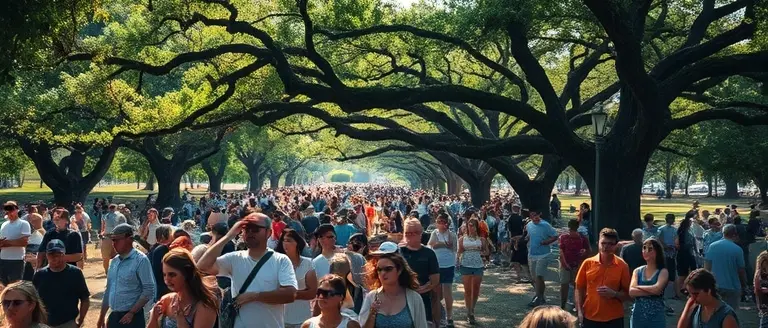
As we approach the holiday weekend, current meteorological models indicate that a persistent midwest heat dome is shifting eastward, placing the New Jersey corridor and surrounding Tri-State areas at high risk for record-breaking temperatures. A heat dome occurs when a high-pressure system traps hot ocean air over a specific region, preventing cool air circulation and creating an intense “oven effect.” For residents tracking July 4th Atlantic weather, this implies that daytime highs could reach dangerous levels, significantly increasing the risk of heat-related illnesses for those attending outdoor fireworks, parades, or beach gatherings. Unlike typical summer humidity, this stagnant air mass minimizes overnight relief, meaning early morning temperatures may remain stiflingly high.
Preparedness and Pivot Strategies for Holiday Events
To navigate these extreme conditions, it is essential to implement a preparedness and pivot strategy. If you are hosting or attending public festivities, consider the following evidence-based precautions to ensure safety:
- Shift Activity Timings: Reschedule outdoor plans to the early morning hours (before 10:00 AM) or after sunset. Avoid physical exertion during peak solar heating between 1:00 PM and 5:00 PM.
- Establish Hydration Stations: If hosting, prioritize high-access water stations. Avoid diuretics like excessive caffeine or alcohol, which exacerbate dehydration during heat dome events.
- Identify Cool-Down Zones: Before arriving at a public venue, map out climate-controlled locations, such as libraries, malls, or cooling centers, where participants can retreat if they show symptoms of heat exhaustion.
- Monitor Vulnerable Populations: The elderly, young children, and pets are at the highest risk. If the heat index reaches critical thresholds, prioritize virtual alternatives or indoor celebrations to maintain safety without sacrificing the holiday spirit.
By proactively adapting your schedule, you can mitigate the dangers associated with the Northeast heat wave and ensure your holiday remains safe and enjoyable despite the atmospheric instability. Keep a close eye on local National Weather Service alerts for real-time adjustments to your event plans.
Tropical Wave Monitoring: What Southeast Travelers Need to Know
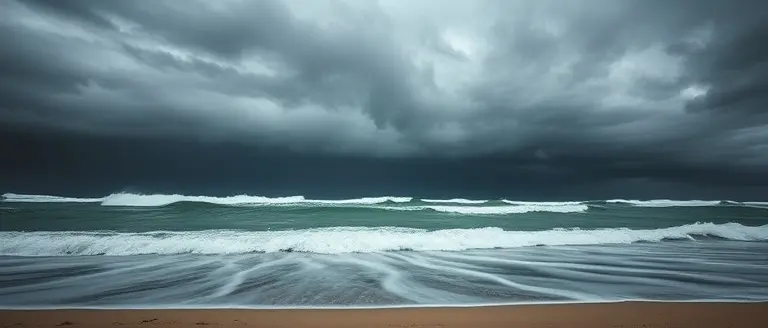
As the holiday weekend approaches, the National Hurricane Center (NHC) is actively monitoring three distinct tropical waves across the Atlantic. While these systems are currently in a “wait-and-see” phase, their proximity to the Southeast US coast creates a layer of uncertainty for those planning coastal getaways. Tropical waves can introduce increased moisture, elevated rip current risks, and unpredictable surf conditions even before they develop into organized storms. For travelers, this means July 4th Atlantic weather conditions could shift rapidly, necessitating a proactive approach to itinerary management. If your plans involve beach access, offshore boating, or coastal parades, you must prioritize hyper-local safety data over generalized regional forecasts.
Actionable Strategies for Coastal Travelers
If you are currently finalizing travel plans or are already en route to the Southeast coast, consider these “go/no-go” safety steps:
- Monitor Official NHC Updates: Rely exclusively on the National Hurricane Center for tropical development data. Avoid unofficial social media forecasts that may speculate on storm naming before official confirmation.
- Verify Marine Hazard Alerts: Check local National Weather Service (NWS) offices for Rip Current Advisories or Small Craft Advisories. If you are a boat owner, verify your marina’s evacuation and storm-securing protocols before departing.
- Build Flexibility into Your Schedule: If heavy rain or high surf is forecasted for July 4th, identify indoor alternatives or inland activities. Having a “pivot plan” reduces stress and ensures your holiday remains safe.
- Heed Lifeguard Warnings: Never enter the water if red flags are displayed. Tropical wave activity often exacerbates dangerous shoreline conditions, making professional beach supervision non-negotiable.
Ultimately, while the current data does not mandate a total cancellation of holiday travel, it does demand heightened situational awareness. By staying informed on the evolving Atlantic weather trends and cross-referencing them with local municipal alerts, you can navigate the holiday weekend with confidence, ensuring that your celebrations remain both enjoyable and secure against potential climate volatility.
Preparedness vs. Panic: Planning Your Holiday Weekend Safely

Navigating the July 4th Atlantic weather forecast requires a shift from reactive worrying to proactive contingency planning. While historical data suggests typical early-July conditions—characterized by moderate humidity and occasional afternoon thunderstorms—the 2026 forecast presents a unique deviation. By comparing the “Normal Holiday Climate” (typically 80°F–85°F with scattered coastal breezes) against “2026 Forecasted Hazards” (the looming Midwest heat dome and active tropical wave monitoring), event organizers and travelers can better calibrate their expectations. Unlike standard summer patterns, this year’s setup involves elevated risks of extreme heat stress in the Northeast and potential coastal surge or rainfall fluctuations in the Southeast, making “preparedness-over-panic” the golden rule.
Actionable Strategies for Event Resilience
To minimize the impact of unpredictable climate instability on your holiday plans, consider the following tactical pivots:
- Modify Outdoor Logistics: If hosting outdoor gatherings, ensure 50% more hydration stations are available than originally planned. Utilize misting fans and prioritize shaded pavilions to mitigate the effects of the incoming heat dome.
- Contingency Venue Mapping: Secure a “Plan B” indoor venue immediately. If your permit allows for tented events, verify that fire marshal regulations for airflow are met to prevent heat-trapping in high-temperature scenarios.
- Real-Time Monitoring Protocols: Do not rely on static weather apps. Cross-reference official bulletins from the National Hurricane Center and the National Weather Service specifically for tropical wave developments that could impact coastal fireworks displays or beach safety.
- Flexibility in Scheduling: If the forecast trends toward dangerous heat indices, shift event start times to the cooler morning hours or sunset periods to protect vulnerable guests, especially children and the elderly.
By treating the July 4th Atlantic weather outlook as a data-driven framework rather than a definitive cancellation notice, you can pivot effectively. Focusing on these structured safety measures ensures that your event remains enjoyable, regardless of environmental volatility. Prioritizing guest safety and having clear, communicated backup plans will ultimately prevent the stress of last-minute cancellations.
Transform Your Holiday Into a Masterpiece
As we approach the Fourth of July, the reality of midwest heat domes and shifting Atlantic tropical waves serves as a stark reminder that nature often dictates our schedules. While the uncertainty of outdoor weather might threaten your planned festivities, these disruptions do not have to result in a wasted long weekend. Instead of monitoring radar screens in frustration, you can seize this opportunity to pivot toward something lasting, rewarding, and entirely under your control.
If the weather reports force you to cancel your outdoor plans, you don’t have to let the long weekend go to waste; many families are choosing to pivot their focus toward indoor mastery and home improvement projects instead. This is where your holiday transformation begins. By shifting your energy from uncertain outdoor events to a structured, climate-controlled DIY project, you gain the satisfaction of building something tangible with your own hands.
Ted’s Woodworking is your ultimate ‘Plan B’ toolkit, providing instant access to over 16,000 professional-grade blueprints that turn a cancelled holiday into a highly productive venture. It bridges the gap between weather-induced disappointment and meaningful achievement, ensuring that no matter what the forecast says, your time remains yours to own. Don’t let the heat or rain dictate your happiness—take charge of your home and your weekend starting today.
 Check out these 16,000 professional blueprints to make this weekend your most productive one yet.Yes, I Want to Start My Project Now!