
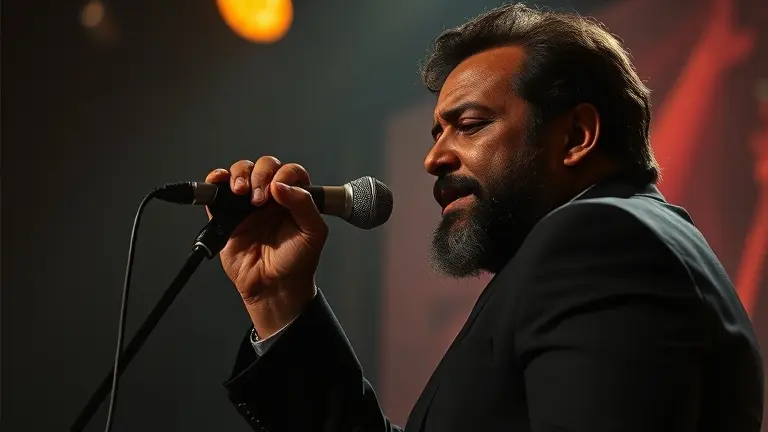
The music world stands in somber reflection following the passing of David Clayton-Thomas, the powerhouse vocalist who transformed the band Blood, Sweat & Tears from a promising ensemble into a global juggernaut. His voice, synonymous with the band’s revolutionary fusion of jazz, blues, and rock, defined an era of musical experimentation that dared to challenge the status quo. As we look back on his passing at 84, we do more than mourn a loss; we celebrate a seismic shift in culture—a moment in 1970 when the band famously outperformed The Beatles to secure the Grammy for Album of the Year, forever changing the trajectory of popular music.
Yet, the true genius of Clayton-Thomas and his contemporaries lay in the layers of their craft. Behind the brass-heavy anthems and the soul-stirring melodies was a complex, polyphonic architecture that demanded as much from the listener as it did from the musicians. Understanding the legacy of this iconic band requires more than a casual listen; it requires a deep, focused engagement with the very notes that changed the world.
Remembering David Clayton-Thomas: The Iconic Voice of Blood, Sweat & Tears

The music world lost a defining pillar of the late 1960s and 70s jazz-rock movement on June 24, 2026, with the passing of David Clayton-Thomas at the age of 84. As the powerhouse lead singer of the legendary band Blood, Sweat & Tears, Clayton-Thomas brought a raw, soulful intensity to the group that bridged the gap between complex jazz arrangements and popular rock sensibilities. His signature “husky, high-strung tenor” became the heartbeat of a sound that challenged the musical conventions of the era, turning the band into a cultural phenomenon that resonated far beyond the confines of traditional genre labels.
A Legacy Defined by Innovation
Clayton-Thomas joined the band in 1968, injecting a surge of creative energy that transformed their trajectory. His impact was immediate and profound, characterized by his ability to navigate intricate horn charts with an authentic blues-rock grit. His leadership in the band led to:
- The 1970 Grammy Win: Under his frontmanship, the band famously captured the Grammy Award for Album of the Year, effectively outpacing The Beatles in one of the most significant upsets in music history.
- Defining Jazz-Rock Fusion: Tracks like “Spinning Wheel” and “You’ve Made Me So Very Happy” remain masterclasses in blending brass-heavy arrangements with pop-chart accessibility.
- Lasting Vocal Influence: His unique timbre defined the group’s sound, influencing generations of vocalists who sought to pair emotional storytelling with experimental, improvisational instrumentation.
The global outpouring of grief following his death reflects the profound cultural resonance of the Blood, Sweat & Tears discography. Fans and industry peers alike are celebrating a life that redefined what it meant to be a rock front-man, proving that artistic integrity and mainstream success could coexist. As we look back on his career, Clayton-Thomas is remembered not just for his technical prowess, but for his role in pushing the boundaries of what a rock band could achieve, forever securing his place in the pantheon of music legends.
Beyond the Metaphor: The Legacy of a Jazz-Rock Pioneer

While the idiom “blood, sweat and tears” typically denotes the grueling exertion required to achieve a difficult goal, in the lexicon of 20th-century music, it represents an even more transformative achievement. The band Blood, Sweat & Tears did not merely use the phrase as a name; they embodied a sonic philosophy that challenged the rigid structures of the late 1960s. By dismantling the barriers between high-art jazz and accessible rock-and-roll, the group crafted a musical identity that was as intellectually rigorous as it was commercially viable.
Redefining the Rock Soundscape
The emergence of the band marked a departure from the guitar-centric psychedelia that dominated the late 60s. Under the influence of visionaries like David Clayton-Thomas, the group integrated complex brass arrangements with blues-rock foundations, effectively pioneering the jazz-fusion movement. Their approach was radical for the era, prioritizing intricate horn charts and syncopated rhythm sections over standard power chords.
Key elements of their lasting musical influence include:
- Orchestral Integration: Moving beyond traditional rhythm sections by incorporating trumpets, trombones, and saxophones as lead melodic voices.
- Genre Blending: Seamlessly transitioning between soul, pop, and free-form jazz improvisation within the framework of a standard radio hit.
- High-Stakes Technicality: Expecting and achieving a level of virtuosity from members that demanded absolute mastery of their instruments.
This refusal to conform to a single genre established a template for future ensembles, effectively bridging the gap between the underground jazz clubs and the mainstream stadiums of the United States. Their legacy persists as a testament to the idea that popular music could, and should, be harmonically sophisticated. Far beyond the simple dictionary definition of their name, the band proved that true artistic success comes from a willingness to experiment with the very fabric of sound.
Musical Masterpieces: 5 Essential Songs That Defined an Era

The legacy of Blood, Sweat and Tears is built upon a daring, intricate synthesis of big-band jazz, sophisticated blues, and high-energy rock. Led by the powerhouse vocals of the late David Clayton-Thomas, the band did not merely play songs; they constructed sonic architectures that challenged the pop music standards of the late 1960s. Their ability to blend complex horn arrangements with tight, radio-friendly hooks changed the trajectory of the jazz-fusion movement. To understand their cultural impact, one must analyze the technical precision behind their most celebrated work.
Analyzing the Jazz-Rock Soundscape
The following tracks represent the pinnacle of their artistry, showcasing the technical musicality that allowed the band to command the charts and secure historic Grammy recognition:
- “Spinning Wheel”: This track is a masterclass in shifting time signatures. Beyond its famous hook, the song utilizes a unique bridge that transitions into a chaotic, avant-garde jazz breakdown before snapping back into the primary groove. Clayton-Thomas’s phrasing here is deliberate, emphasizing rhythmic staccato to mirror the brass section’s punchy interjections.
- “You’ve Made Me So Very Happy”: This arrangement demonstrates the band’s mastery of dynamics. The track relies on a descending chord progression that grounds the soulful, soaring horn melodies. Clayton-Thomas delivers a gritty, high-strung tenor performance that perfectly captures the tension between pop romanticism and raw, jazz-inflected blues.
- “And When I Die”: A departure from their uptempo hits, this song features a haunting, dirge-like structure. The use of a minor key and tight, muted trumpet fills creates a somber atmosphere that highlights the band’s ability to prioritize emotional resonance over simple virtuosic displays.
- “God Bless the Child”: An audacious cover of the Billie Holiday classic, this version expands the jazz vocabulary of the band. It features expansive, improvisational horn solos that prove the group’s technical pedigree was firmly rooted in traditional jazz theory.
- “Lucretia MacEvil”: This cut serves as a testament to the group’s rhythmic complexity. The interplay between the driving bassline and the sharp, syncopated brass stabs highlights how they pushed rock instrumentation into the realm of the sophisticated big-band era.
These masterpieces underscore why the work of Blood, Sweat and Tears remains relevant, offering a blueprint for how technical complexity and accessible songwriting can harmonize to create a timeless musical identity.
The 1970 Grammy Upset: A Landmark Moment in Music History

In the annals of the recording industry, the 1970 Grammy Awards stand out as a seismic shift in popular music recognition. When Blood, Sweat & Tears took home the coveted Album of the Year award for their self-titled second studio album, they effectively bested The Beatles’ Abbey Road—a victory that remains one of the most debated “upsets” in music history. This win was not merely a trophy for a popular band; it was a profound validation of the jazz-rock fusion movement, signaling to the mainstream American public that complex, brass-heavy compositions could dominate the top of the charts.
Why the Win Was a Paradigm Shift
The triumph of Blood, Sweat & Tears represented a departure from the dominance of traditional pop-rock. Under the powerhouse vocal influence of the late David Clayton-Thomas, the group bridged the gap between sophisticated jazz arrangements and accessible rock hooks. Their success challenged the industry to look beyond the standard guitar-bass-drums format, championing instead a dense, orchestral sound that utilized horns and improvisation.
This landmark moment solidified several key legacies for the band:
- Genre Legitimacy: The Grammy win silenced critics who viewed the hybridization of jazz and rock as merely an experimental phase, cementing it as a viable, commercially successful genre.
- Mainstream Accessibility: Songs like “Spinning Wheel” and “You’ve Made Me So Very Happy” demonstrated that intricate, multi-layered musical structures could resonate with a mass audience.
- The “Clayton-Thomas” Effect: The distinct, husky tenor of David Clayton-Thomas became the gold standard for the jazz-rock aesthetic, influencing a generation of vocalists who sought to blend soul, blues, and high-strung rock energy.
Today, the 1970 win is viewed as a critical benchmark, reminding music historians that the late 60s and early 70s were a period of unprecedented creative risk-taking. While The Beatles remain icons of the era, the victory for blood, sweat and tears underscored the industry’s temporary—yet significant—embrace of musical virtuosity and the daring fusion of disparate sonic traditions.
Sharpening Your Senses for Musical Mastery
As we navigate the immense catalog left behind by David Clayton-Thomas, it becomes clear that his work wasn’t just meant to be heard—it was meant to be deeply processed and understood. The intricate jazz-fusion arrangements that defined the band’s peak remain a masterclass in complexity, requiring a level of cognitive focus that truly honors the intensity of their creative spirit. Just as the complex, layered arrangements of Blood, Sweat & Tears required deep focus to master, our modern ability to process such intricate compositions benefits from a mind that is clear and sharp.
To truly grasp the genius behind the 1970 Grammy-winning soundscapes, you need to elevate your listening experience. This is where The Brain Song becomes an essential companion for the dedicated audiophile. By utilizing neuroscience-based auditory stimulation, this tool helps sharpen your cognitive clarity and focus, allowing you to peel back the layers of melody and harmony that define the best of jazz-rock history. It is the perfect bridge between historical appreciation and modern mental performance.
Elevate your ability to deconstruct these classics and experience the music with newfound clarity. You have the opportunity to bring the same analytical precision to your listening habits that the band brought to the studio. Your journey into the heart of legendary music starts with a sharper, more focused mind.
 Experience the clarity required to truly deconstruct the classics; try the 12-minute audio routine today to enhance your focus and appreciation for musical complexity.Transform My Listening Experience Today!