

Apple stock is currently navigating a period of intense turbulence, shedding over 5% of its value following a controversial announcement regarding broad price hikes across its hardware lineup. This move, driven by a critical ‘memory crunch’ and the rising cost of AI-centric components, has sent shockwaves through the tech sector. As investors weigh whether this pivot represents a desperate response to inflationary pressure or a strategic shift toward a more exclusive hardware future, the market is starkly divided between those seeing a buying opportunity and those fearing a long-term decline in consumer base growth.
This shift demands a more sophisticated approach than simple reactionary trading. Beyond the headlines, we are witnessing a fundamental test of Apple’s legendary vertical integration. As the ‘Magnificent Seven’ adjust to the skyrocketing costs of AI-driven innovation, the central question remains: can the consumer base absorb these costs, or is Apple’s premium philosophy approaching a breaking point? To navigate this volatility, you need to look past the surface noise and focus on the strategic margin implications that will define Apple’s performance for the next fiscal year.
Apple Stock Volatility: The Price Hike Catalyst
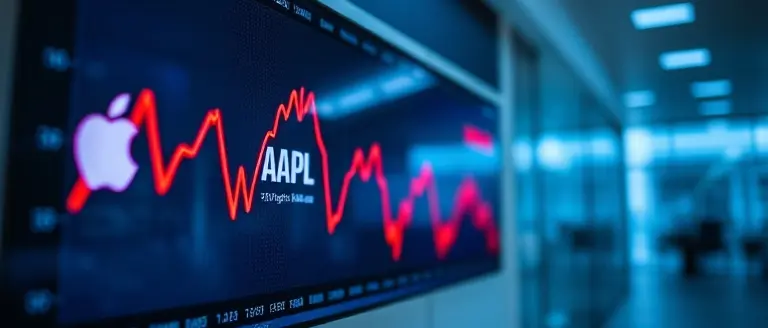
The landscape for Apple stock shifted abruptly on June 25, 2026, as shares plummeted between 4.6% and 5.2% following a strategic, yet polarizing, announcement from Cupertino. Investors reacted with immediate skepticism to the company’s decision to implement sweeping price hikes across its core hardware lineup, specifically targeting MacBooks, iPads, and the high-end Vision Pro. This market contraction reflects growing anxiety regarding consumer demand elasticity in an environment where Apple’s historical ability to pass costs to the end-user is being severely tested.
At the heart of this volatility is an escalating memory crunch exacerbated by the massive compute requirements of next-generation AI-driven hardware. As component costs for high-bandwidth memory and advanced semiconductors soar, Apple has opted to protect its gross margins by raising prices by an estimated 15% to 25% for its latest devices. While the company views this as a necessary measure to navigate a constrained supply chain, Wall Street’s bearish reaction underscores a deeper fear: that these price increases could stifle the hardware adoption rates essential to fueling Apple’s long-term services revenue.
Market analysts are currently divided on the long-term implications of this pivot. Several critical factors are fueling the current investor exodus:
- Consumer Elasticity Concerns: Fears that the 15-25% price increases will alienate price-sensitive users, potentially shrinking the total addressable market.
- The AI-Hardware Paradox: While the broader tech sector, including companies like Micron Technology, is benefiting from the AI infrastructure boom, Apple’s direct exposure to consumer-facing hardware costs creates a unique, localized headwind.
- Margin vs. Volume: The debate continues over whether maintaining high-margin hardware is a sustainable strategy if it triggers a decelerating user base growth.
Investors are now closely watching the upcoming quarterly sales data to determine if the premium pricing model remains viable or if the “memory crunch” will force Apple to recalibrate its pricing strategy in the face of flagging demand. For now, the technical resistance levels for AAPL remain under pressure, signaling a period of prolonged volatility.
The Memory Crunch: Why AI Hardware Costs Are Soaring

The current volatility surrounding apple stock is directly linked to a systemic supply chain bottleneck known as the “memory crunch.” As the tech industry pivots toward AI-driven hardware, the demand for high-bandwidth memory (HBM) and advanced DRAM has outpaced global production capacity. Unlike standard consumer electronics, AI-integrated devices—such as the latest MacBooks and the Vision Pro—require massive increases in memory density to run sophisticated large language models locally. This transition has turned memory from a commoditized component into a premium, scarce resource, forcing manufacturers to compete aggressively for limited inventory.
Divergent Paths in the AI Ecosystem
The supply chain dynamics creating headwinds for Apple present a different reality for other players in the sector. While AAPL shares faced a 4.6% to 5.2% decline following the announcement of price hikes between 15% and 25%, companies like Micron Technology have seen their market value surge. The disparity highlights a fundamental shift:
- Upstream vs. Downstream: Semiconductor manufacturers (the “picks and shovels” providers) are capturing the value of the memory boom, whereas hardware giants like Apple are forced to pass the inflationary costs down to the end consumer.
- Margin Protection Strategies: Apple’s decision to increase prices reflects a defensive strategy to safeguard its legendary hardware margins. However, this move risks testing consumer demand elasticity, as loyal users are now faced with significantly higher entry points for the same product categories.
- Vertical Integration Challenges: Apple’s reliance on third-party memory suppliers is being put to the test. Despite its vertical integration strategy, the company remains tethered to the constraints of the broader memory market, which is currently undergoing a painful re-balancing process.
This ongoing component scarcity suggests that Apple’s current pricing adjustments are not merely reactionary but represent a strategic pivot. Whether this transition toward higher hardware costs will dampen long-term growth or successfully insulate the bottom line against rising costs remains the primary point of contention among institutional investors.
Testing the Moat: Is Apple’s Vertical Integration Enough?

For over a decade, Apple’s vertical integration has served as its primary economic moat, allowing the company to control both silicon design and the final user experience. However, the recent 4.6% to 5.2% decline in apple stock following aggressive price hikes of 15% to 25% on MacBooks and iPads signals that this strategy faces an unprecedented test. By passing the burden of surging AI-driven component costs—specifically the current memory crunch—directly to the consumer, Apple is effectively challenging the price elasticity of its loyal user base. This shift suggests that even a company with Apple’s deep supply chain control is not immune to the inflationary pressures inherent in developing high-performance AI hardware.
The Risk of Elasticity
The core concern for investors remains whether this pivot compromises the “walled garden” that drives long-term services revenue. If hardware adoption slows due to these price increases, the ecosystem’s growth engine risks stalling. Analysts are now closely monitoring whether these measures are a temporary margin-protection necessity or a fundamental transformation of the premium hardware philosophy.
Key factors to consider include:
- Consumer Sentiment: Whether the brand’s “premium” prestige can withstand a double-digit price surge in an environment where competitors are utilizing different supply strategies.
- Services Dependency: The risk that reduced hardware penetration will create a downstream deficit in Apple’s high-margin services segment, which relies on a growing active installed base.
- Macro Margin Pressure: The potential for a permanent shift in how the “Magnificent Seven” manage component volatility, moving away from absorbency and toward aggressive cost pass-through models.
Evidence suggests that if the company fails to maintain sales volume, the AAPL stock performance may remain muted as investors await proof that the user base is willing to absorb these elevated costs. Ultimately, the success of this strategy hinges on whether Apple’s brand equity is strong enough to override the macroeconomic headwinds currently roiling the broader technology sector.
Investor Strategy: Monitoring Sentiment and Sales Data

Given the recent 4.6% to 5.2% decline in apple stock following the announcement of sweeping hardware price increases, investors should resist the urge to engage in impulsive short-term speculation. The current market volatility, driven by a global memory crunch and rising component costs for AI-enabled hardware, creates a complex landscape for the tech giant. Instead of reacting to daily ticker fluctuations, a more prudent investor strategy involves a disciplined, data-driven “Watch List” approach focused on the next full fiscal quarter. By shifting the perspective toward long-term margin resilience rather than immediate price corrections, shareholders can better assess whether Apple’s premium hardware strategy remains sustainable.
Critical Indicators for Your Watch List
To determine if these price hikes—ranging from 15% to 25% for Mac and iPad models—are merely a temporary tactical adjustment or a structural threat to the company’s ecosystem, investors should closely monitor the following key metrics:
- Consumer Sentiment Trends: Track social sentiment and early retail feedback regarding the price hikes. If widespread brand fatigue emerges, it may signal that Apple has finally reached the upper threshold of demand elasticity.
- Hardware Sales Volume: Watch for any contraction in shipment numbers. While higher prices might protect per-unit margins, a significant drop in volume could erode the long-term services revenue that relies on a growing active install base.
- Component Cost Normalization: Monitor industry reports on memory pricing. If the “memory crunch” proves transitory, pressure will mount on Apple to either revert to historical pricing or demonstrate how these elevated costs have permanently enhanced the hardware’s value proposition.
By prioritizing these fundamental indicators, investors can cut through the reactionary noise. Apple’s vertical integration has historically shielded it from supply chain shocks, but the current AI-driven component environment is testing that model like never before. Caution is advised: maintain a focus on how these hardware shifts influence the broader Magnificent Seven tech trajectory before making adjustments to your core position.
Mastering Market Volatility Through Cognitive Clarity
The recent instability in Apple stock is not merely a reactionary dip; it represents a fundamental test of the company’s premium hardware strategy. As Apple navigates the complex trade-offs between component inflation and consumer elasticity, investors are left with a landscape defined by significant uncertainty. Understanding whether this price hike will be successfully absorbed or if it signals a long-term erosion of Apple’s market dominance requires more than just reading quarterly reports; it demands a high level of analytical endurance.
Just as Apple’s silicon is being pushed to its limits by the intense demands of AI-driven memory requirements, your own cognitive hardware is under constant pressure from the barrage of volatile market data. To cut through the noise and accurately decode these macroeconomic shifts, you must optimize your most important asset: your brain. Just as you demand peak performance from your tech, you should demand the same from your analytical mind.
The Brain Song is the cognitive performance tool designed for investors who need to maintain precision under pressure. By clearing the mental fog that clouds complex financial analysis, it allows you to sharpen your focus and track the long-term implications of hardware trends with renewed clarity. It is the essential upgrade for any investor serious about navigating the current market environment.
 Sharpen your focus to better navigate volatile market shifts; try this 12-minute daily routine to enhance your analytical clarity.Yes, I Want This Now!