
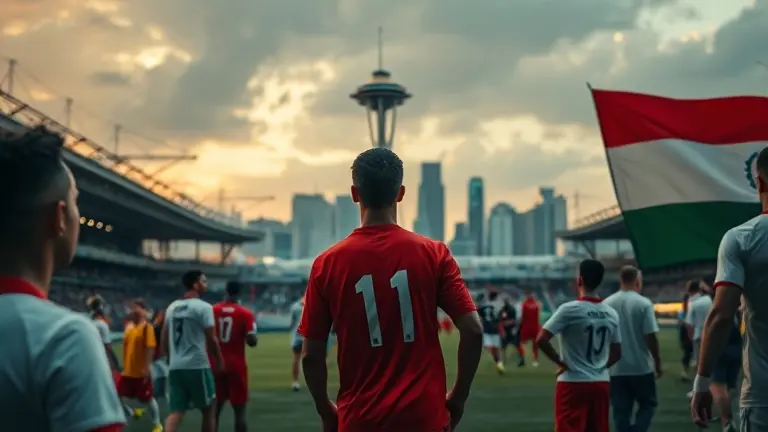
When the Seattle Organizing Committee first slated June 26, 2026, as a ‘Pride Match’, it was intended as a celebratory nod to the city’s local culture and the global inclusive spirit of FIFA’s host city initiatives. However, the subsequent 2026 FIFA World Cup draw transformed this date into an unexpected geopolitical flashpoint. Pairing Iran and Egypt—two nations where homosexuality remains criminalized—for this specific fixture has created a diplomatic tightrope that pits grassroots inclusivity against the complexities of national sovereignty and international sports protocol.
As the match date approaches, the situation has spiraled into a high-stakes standoff. FIFA now finds itself caught between the pressure to uphold its local social mandates and the intense demands from member associations to cancel the ‘Pride’ designation. This clash of mandates isn’t merely a logistical nightmare; it is a profound test of how global sporting events can reconcile conflicting cultural values, forcing stakeholders and spectators alike to navigate an increasingly polarized and exhausting landscape of competing truths.
The Seattle Pride Match: Anatomy of a Geopolitical Flashpoint
The current controversy surrounding the pride match in Seattle is defined less by deliberate provocation and more by a high-stakes logistical collision. Long before the official FIFA draw determined the tournament brackets, local organizers in Seattle designated the June 26, 2026, fixture as a celebratory “Pride Match.” This scheduling decision was intended to align with the city’s deep-rooted tradition of hosting extensive Pride month festivities. However, the subsequent pairing of Iran and Egypt—two nations with strict laws criminalizing homosexuality—transformed a standard local inclusivity initiative into an immediate geopolitical flashpoint.
This convergence has placed the Seattle Organizing Committee and FIFA on a narrow diplomatic tightrope. The tension arises from the competing mandates of international sports governance and local cultural expectations:
- Pre-Draw Designation: The Pride theme was locked in by organizers months prior to the draw, confirming that the current friction is a byproduct of random tournament mechanics rather than targeted political signaling.
- The Clash of Sovereignty: Member associations from Iran and Egypt have voiced strong opposition, citing cultural and religious sensitivities, and have formally requested that FIFA strip the match of all LGBTQ+ promotional activities.
- Grassroots Pressure: With over 123,000 signatures on a petition demanding the removal of the designation, the situation illustrates the difficulty of balancing global hosting requirements with the specific community values of a host city.
As the match date approaches, the situation highlights the complex reality of modern mega-events. FIFA’s decision to allow fans to bring rainbow flags into the stadium while navigating official diplomatic requests for neutrality has effectively left the stadium as a site of potential confrontation. This incident now serves as a case study in how international sports diplomacy is increasingly forced to reconcile the diverse legal and social landscapes of participating nations against the progressive branding strategies of host municipalities.
The Clash of Values: Local Traditions vs. International Realities
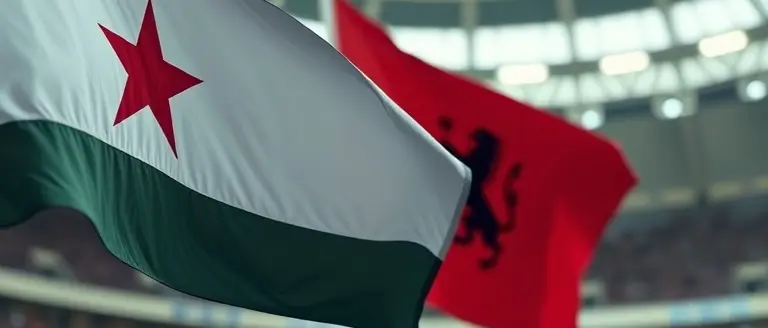
The pride match scheduled for June 26 in Seattle has evolved into a significant geopolitical flashpoint, highlighting the deep friction between municipal inclusivity mandates and the rigid legal frameworks of competing nations. Seattle, long recognized for its progressive social policies and strong support for LGBTQ+ rights, designated the fixture as a celebration of local diversity long before the official World Cup draw. However, the subsequent pairing of Iran and Egypt—two nations where homosexuality is criminalized—has created an unprecedented diplomatic tightrope for the Seattle Organizing Committee and FIFA officials.
Competing Cultural Mandates
The tension stems from two diametrically opposed perspectives regarding international sporting events:
- Host City Expectations: Local organizers intended the match to reflect Seattle’s inclusive identity, viewing the pride match designation as a standard community engagement practice consistent with the city’s values.
- National Sovereignty and Law: Conversely, the Iran Football Federation and representatives from Egypt view the inclusion of LGBTQ+ symbols as a direct challenge to their domestic social mandates and national laws, leading to a formal request to sanitize the event.
This confrontation underscores the difficulty of managing a global tournament that brings together diverse cultures under a singular host city’s policy framework. While the Seattle Organizing Committee argues that the designation was established in good faith to honor local culture, the participating nations interpret the move as a provocative “virtue signaling” exercise. As the match date approaches, the situation highlights the inherent risks of modern event management, where local grassroots activism may unintentionally collide with the sensitive legal realities of member associations, forcing organizations like FIFA to navigate a delicate balance between promoting universal human rights and respecting the sovereign legal status of visiting delegations.
FIFA’s Balancing Act: Neutrality and the Global Stage
The 2026 FIFA World Cup in Seattle has transformed into a high-stakes geopolitical flashpoint, forcing the sport’s governing body to navigate a precarious diplomatic tightrope. At the core of this conflict is the clash between FIFA’s modern inclusivity mandates—intended to promote a welcoming environment for all fans—and the deeply entrenched legal and cultural standards of participating member nations. The Iran and Egypt football federations have formally urged FIFA to strip the June 26 match of its pride match designation, arguing that such branding conflicts with their domestic policies and sovereign rights.
FIFA faces an impossible choice: capitulating to these requests could be seen as an abandonment of its human rights commitments, potentially alienating the Seattle Organizing Committee and a global fanbase that expects inclusivity. Conversely, maintaining the status quo risks diplomatic fallout with two influential national associations and complicates the safety protocols required for a high-profile international fixture. This scenario underscores FIFA’s historic struggle to maintain neutral event management while being pressured to align with diverse cultural values.
To manage this crisis, FIFA is attempting to walk a middle line characterized by:
- Conditional Neutrality: Allowing the match to proceed as scheduled while simultaneously permitting individual fans to display symbols like rainbow flags, which FIFA characterizes as personal expression rather than official endorsement.
- Managing Expectations: Resisting formal requests to scrub all imagery or ceremonies, yet downplaying the “pride” branding to avoid direct, government-level confrontations.
- Security Escalation: Preparing for potential protests inside the stadium, where the intersection of grassroots activism and international sentiment could create significant logistical strain.
Ultimately, the situation serves as a litmus test for how the organization balances its progressive corporate identity with the reality of operating in a global landscape where domestic laws frequently contradict the host city’s local culture. With over 123,000 petition signatures calling for a change in designation, the pressure on the organization to pivot is immense, signaling that this pride match controversy may reshape how tournament fixtures are marketed in the future.
Navigating the Diplomatic Tightrope Toward June 26

As the June 26 pride match approaches in Seattle, the event has transformed into a high-stakes geopolitical flashpoint. FIFA officials and the Seattle Organizing Committee now face the unenviable task of balancing local community commitments against the rigid legal realities of the participating nations. With the Iran Football Federation formally demanding the removal of LGBTQ+ promotional activities and a petition exceeding 123,000 signatures, the atmosphere surrounding the venue is increasingly volatile. This situation forces FIFA to navigate a delicate diplomatic tightrope, where any decision—either to maintain the theme or pivot to neutrality—risks alienating major stakeholders or violating the human rights stances that the governing body has periodically attempted to adopt.
Potential Policy Shifts and Future Implications
The outcome of this controversy could permanently alter how FIFA handles tournament scheduling. Experts suggest that this event may serve as a catalyst for a centralized policy change, potentially restricting host cities from assigning thematic designations until after the final tournament draw. By decoupling local celebrations from specific fixture dates, FIFA could avoid similar cultural collisions in future World Cups.
Key arguments in this ongoing debate include:
- The Case for Local Autonomy: Proponents argue that host cities must retain their cultural identity and inclusivity commitments, asserting that professional sports should not bow to the internal social policies of visiting nations.
- The Case for Neutrality: Critics of the current designation argue that the World Cup should remain a strictly neutral event to prevent on-field distractions and ensure player safety, suggesting that political or social messaging complicates the spirit of global unity.
- Security and Protocol: Security analysts are concerned that the intersection of these conflicting mandates could lead to localized civil unrest, prompting FIFA to consider stricter enforcement of “clean venue” policies to maintain order.
Ultimately, the Seattle fixture will likely be viewed as a turning point. Whether FIFA opts to prioritize the local inclusive mandate or shifts toward a policy of forced neutrality will set a precedent for how international governing bodies manage the friction between global sport and the varying socio-political landscapes of the nations they invite to participate.
Maintaining Clarity Amidst Diplomatic Complexity
The situation in Seattle serves as a stark reminder that international sports are rarely just about the game on the pitch; they are theater for the world’s most intractable cultural debates. As we weigh the arguments between grassroots expression and diplomatic neutrality, it becomes clear that there are no simple solutions—only a series of difficult compromises that leave all sides feeling unheard. Successfully analyzing these layers of geopolitical friction requires a level of objective, calm focus that is often buried by the noise of modern news cycles.
As you navigate these intense developments, maintaining your own mental clarity is essential. Just as organizers and diplomats require sharp focus to navigate this international minefield, we too need clear minds to synthesize the complexity of the situation without falling prey to cognitive fatigue. That is why we recommend The Brain Song. It is a specialized tool designed for those who engage in deep, analytical thinking, helping to clear the mental fog that accompanies high-stakes news consumption and providing the cognitive restoration needed to process intricate information effectively.
By integrating this auditory routine into your daily schedule, you can ensure your perspective remains sharp and objective while you follow this unfolding narrative. Don’t let mental exhaustion cloud your judgment when understanding the world matters most. Experience mental clarity and sharpened focus while reading: Try The Brain Song’s 12-minute auditory routine today.
 Experience mental clarity and sharpened focus while reading: Try The Brain Song’s 12-minute auditory routine today.Yes, I Want This Now!