
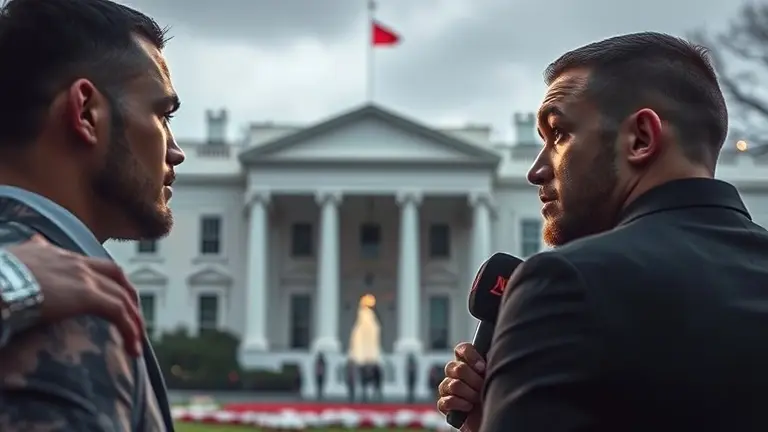
The staging of UFC Freedom 250 on the South Lawn of the White House was an unprecedented collision of high-stakes athleticism and raw political theater. As the world’s most elite fighters, including stars like Gaethje and Topuria, stepped into the octagon against the backdrop of American power, the event promised to be a landmark for the sport. Yet, the technical brilliance displayed in the cage was quickly overshadowed by a firestorm of controversy. The now-infamous post-fight interview by Josh Hokit—marked by comments that ignited an immediate, polarized backlash across national media—transformed a sporting milestone into a lightning rod for the ongoing culture wars.
This intense atmosphere serves as a stark reminder of the blur between celebrity, politics, and the physical reality of MMA. While pundits from Stephen A. Smith to Daniel Cormier debate the implications of the event’s venue and the fighters’ rhetoric, the core of the sport remains rooted in the extraordinary physical discipline of the individual. As we dissect the layers of the UFC Freedom 250 post-fight interview, it becomes clear that the friction between spectacle and sport is intensifying, forcing fans and athletes alike to question where the line between entertainment and integrity should be drawn.
UFC Freedom 250: When the Octagon Met the White House
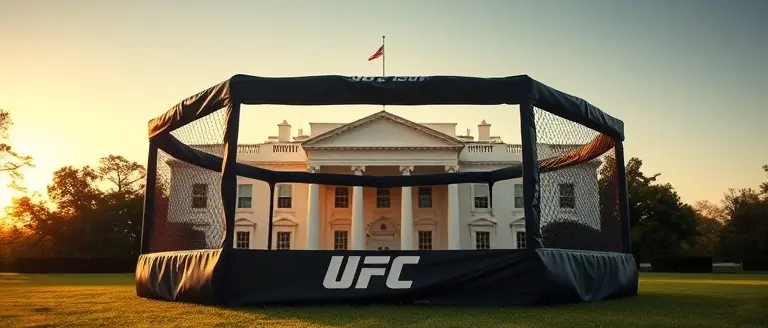
The staging of UFC Freedom 250 on the South Lawn of the White House represents a watershed moment in the history of professional combat sports. By moving the Octagon from traditional arenas to the heart of American executive power, organizers effectively dismantled the boundary between neutral athletic competition and high-stakes political theater. While the event promised a display of elite martial arts prowess, the unique venue transformed the environment into a polarized stage, setting the stage for the now-infamous UFC Freedom 250 post-fight interview that dominated the national news cycle for days after.
The choice of location was not merely aesthetic; it was inherently loaded with symbolic weight that influenced the behavior of fighters and spectators alike. When an arena is transformed into a platform for public policy discourse, it is arguably inevitable that the athletes, emboldened by the visibility of the venue, will feel compelled to engage in socio-political commentary. This atmosphere of heightened intensity was further amplified by the proximity of political figures and the global media gaze.
Several factors contributed to this environment of friction:
- The Venue’s Significance: The White House is a center of governance, not entertainment, which naturally heightened the tension surrounding the event.
- Crossover Audience Dynamics: The event drew a disparate audience, blending hardcore MMA enthusiasts interested in the technical aspects of the Topuria vs. Gaethje match with a political contingent focused on the optics of the night.
- Media Amplification: The instant virality of clips—such as those highlighted by content creators like Nina Drama—ensured that off-the-cuff remarks were scrutinized with the same intensity as the fight statistics.
By placing the fighters in such a volatile, highly publicized setting, the organizers invited a level of scrutiny that transcended the sport. The resulting cultural discourse serves as a case study in how “crossover” events can unintentionally shift the narrative away from individual athletic performance and toward broader, more divisive societal debates.
The Technical Masterclass: Gaethje vs. Topuria
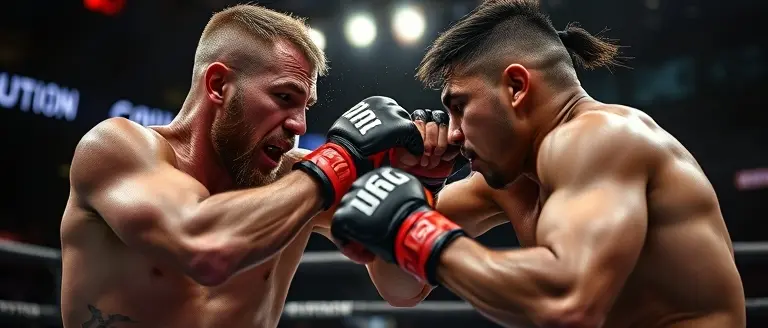
Amidst the intense media scrutiny and the political fervor surrounding the UFC Freedom 250 post-fight interview controversy, it is easy to overlook the sheer brilliance displayed inside the Octagon. The main event between Justin Gaethje and Ilia Topuria served as a necessary reminder of the elite-level tactical warfare that defines the pinnacle of mixed martial arts. While the spectacle on the South Lawn provided a surreal backdrop, the technical exchanges between these two lightweights were nothing short of a masterclass in modern cage craft.
Strategic Breakdown and Tactical Execution
The fight was defined by a stark contrast in styles, with both athletes demonstrating why they remain top-tier contenders. Gaethje, known for his relentless pressure and “human highlight” power, entered the cage with a refined approach that prioritized distance management over his traditional brawling style. Conversely, Topuria utilized precise footwork to neutralize Gaethje’s inside leg kicks, a signature weapon that has crippled previous opponents. Key tactical observations included:
- Pacing and Distance: Topuria’s ability to pivot laterally prevented Gaethje from cornering him, forcing “The Highlight” to reset multiple times during the opening rounds.
- The Jab as a Foundation: Topuria relied heavily on a stiff, probing jab that forced Gaethje to constantly adjust his guard, opening lanes for follow-up power shots.
- Defensive Wrestling: Both fighters showcased elite takedown defense, ensuring the bout remained in the striking realm where the tactical nuances of high-level kickboxing were on full display.
The fight serves as proof that when the cage door closes, the primary objective remains athletic dominance. Even as fans and pundits later shifted their focus toward the disruptive post-fight comments that dominated headlines, the technical integrity of the Gaethje vs. Topuria bout remained a bright spot for the sport. This clash proved that regardless of the venue’s geopolitical weight, the UFC continues to curate matchups that test the physical and mental limits of the world’s most disciplined fighters.
The Josh Hokit Interview: Parsing the Controversy
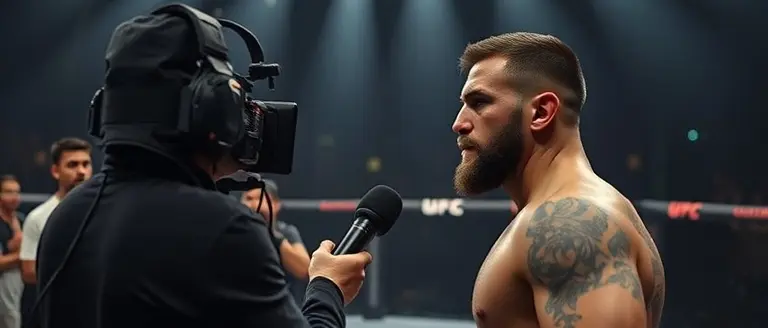
The UFC Freedom 250 post-fight interview involving Josh Hokit quickly evolved from a standard athletic celebration into a significant national media event. Following his victory, Hokit made remarks referencing Michelle Obama, a comment that triggered an immediate and polarized reaction across both traditional news outlets and digital spaces. By opting to host the event on the South Lawn of the White House, the promotion effectively merged the spectacle of professional fighting with the gravitas of American politics, creating a volatile atmosphere where athletic achievement was secondary to the ensuing rhetoric.
Anatomy of the Viral Backlash
The fallout was swift, characterized by a mix of genuine political outrage and meme-driven digital discourse. The reception of the comments serves as a case study in how modern social media—highlighted by viral clips from creators like Nina Drama—can amplify inflammatory moments far beyond the initial live audience. Key observations regarding the reaction include:
- Media Fragmentation: Traditional outlets like The Hill focused heavily on the critique provided by figures such as Stephen A. Smith, who analyzed the interview through the lens of institutional decorum.
- Fanbase Polarization: Online forums, including r/MMAPoliticsAndCulture, saw a sharp divide between those defending Hokit’s right to free speech and those arguing that the high-profile venue necessitated a higher standard of conduct.
- Contextual Amplification: The choice of venue inherently blurred the lines between sport and statecraft. Because the event was situated on government property, Hokit’s comments were interpreted by many as an affront to the prestige of the location, rather than mere trash talk.
Ultimately, the Hokit incident highlights a growing trend in combat sports where the “crossover” appeal of political events creates unpredictable liabilities for organizers. While the technical outcomes of the card provided the expected sporting value, the narrative surrounding the UFC Freedom 250 post-fight interview demonstrates how a high-stakes, politically charged environment can fundamentally alter the public perception of an athlete’s post-win moment.
Pundits and Polarization: The Fallout in Media
The UFC Freedom 250 post-fight interview involving Josh Hokit acted as a lightning rod for broader national tensions, forcing prominent sports media figures to reconcile athletic competition with the highly charged atmosphere of the White House. Critics such as Daniel Cormier and Stephen A. Smith represented opposing viewpoints on the professional conduct expected in such a unique, politically sensitive environment. While Cormier focused on the potential degradation of the sport’s professional image, Smith’s commentary underscored the inevitable clash that occurs when high-stakes combat sports are platformed in the heart of government. Their discourse highlights a deepening divide: should the octagon be viewed as a sanctuary from politics, or is its cultural weight now too significant to avoid the political fray?
The Digital Acceleration of Controversy
The virality of the incident was significantly amplified by digital creators, most notably Nina Drama, whose coverage of the event captured the immediate, visceral reaction of the live audience and the subsequent “cringe” factor of the interview. This content served to:
- Democratize the critique: Unlike traditional media, TikTok and social platforms allowed fans to bypass mainstream filters, leading to rapid, meme-driven discourse.
- Normalize the “Crossover” fatigue: Much of the social media friction stems from an audience experiencing burnout from the infusion of political narratives into pure sports coverage.
- Amplify the “Big Mike” narrative: The specific comment by Hokit gained traction faster through social media clips than through formal news reporting, proving that short-form digital content is now the primary driver of public opinion regarding fighter conduct.
As the dust settles, the event serves as a case study for future promotion planning. When sports entities choose historically significant backdrops like the South Lawn, they inherently accept that the UFC Freedom 250 aftermath will not be limited to athletic achievements. The divide between those who demand strict sports neutrality and those who view the integration of politics as a modern evolution of the spectacle remains the most significant tension point in the current MMA landscape.
Investing in Your Own Championship Form
UFC Freedom 250 will be remembered as much for the spectacle on the South Lawn as for the elite level of combat sports displayed within the cage. While the post-fight commentary has dominated the headlines, the true takeaway remains the discipline required to perform under the world’s most intense spotlights. Whether you are a professional athlete or simply navigating the daily rigors of life, the foundation of that performance rests entirely on your internal health and physical vigor.
Just as top-tier fighters like Gaethje and Topuria rely on meticulous physical preparation to survive the octagon, maintaining that same level of internal vitality is a challenge for any man looking to perform at his best. As the discourse around the event fades, the necessity of personal discipline remains. Taking proactive steps to support your physical foundation is not just an option—it is a critical requirement for anyone aiming to fight back against the natural decline that comes with time.
Protoflow serves as the essential recovery and vitality tool for the modern man, specifically formulated to support prostate health and restore the vigor needed to stay sharp in an increasingly fast-paced world. By prioritizing your internal wellbeing, you are choosing to stay in the fight longer and perform at a higher level, no matter the arena. Don’t wait for your own health to face a challenge—take command of your longevity and physical performance today.
 Take control of your long-term vitality and support your physical foundation with Protoflow today.Yes, I Want to Reclaim My Vitality Now!