
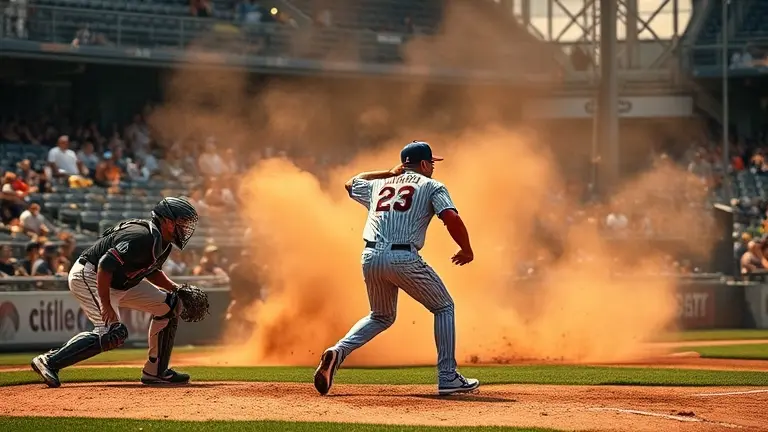
Citi Field has become a theater of frustration, where the echoing boos for a 34-46 team signify more than just a losing record—they represent the collapse of a vision. As the New York Mets grapple with defensive lapses, roster instability, and the confusing optics of shifting Kodai Senga to the bullpen while navigating the departure of David Peterson, the team feels less like a professional organization and more like a work in progress that has lost its way. When six errors occur in a single game, it is not merely a string of bad luck; it is a symptom of a front-office strategy that lacks the structural integrity required to compete at the highest level.
The current state of the Mets forces a critical question: is there a blueprint for success, or are we witnessing the fallout of a ‘win-now’ philosophy built on a crumbling foundation? From the nostalgia-fueled chants for Pete Alonso to the tactical uncertainty surrounding Juan Soto’s injury management, the team is struggling to piece together a coherent identity. To understand why this rebuild is faltering, we must look beyond the stat sheet and address the fundamental lack of precision—the very same missing ingredient that turns any ambitious project into a chaotic disaster.
A Summer of Discontent: Decoding the Mets’ 34-46 Tailspin
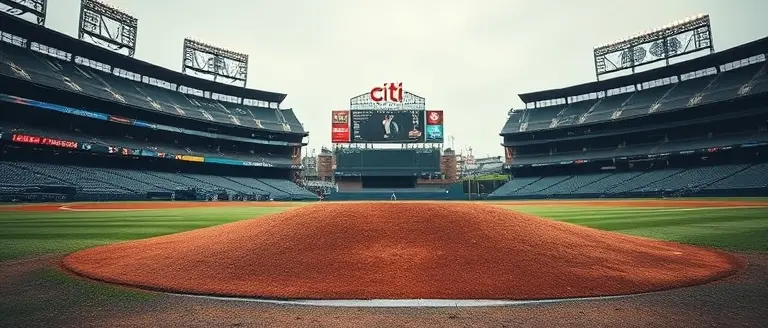
The New York Mets have entered a period of profound instability, currently sitting at a dismal 34-46 record that reflects a franchise in flux. The recent doubleheader sweep at the hands of the Chicago Cubs served as a grim microcosm of the 2026 campaign. During the second game, a defensive meltdown—characterized by six inexcusable errors—left fans at Citi Field reeling. This performance prompted audible frustration from the stands, with supporters vocalizing their longing for former stars like Pete Alonso, highlighting a growing disconnect between the current roster’s output and the expectations of the Flushing faithful.
Strategic Shifts and Roster Upheaval
Management’s attempt to right the ship has resulted in significant roster churn, raising questions about the long-term vision of the front office. The trade of pitcher David Peterson to the Cubs signals a willingness to sacrifice depth, while the decision to shift Kodai Senga to the bullpen indicates a fundamental change in how the team plans to handle its high-leverage innings. These moves, combined with ongoing concerns regarding Juan Soto’s physical health and the high-pressure return of Francisco Lindor to the active lineup, suggest a team searching for identity amidst a “win-now” environment that is rapidly slipping away.
The current organizational strategy faces several critical hurdles:
- Defensive Fragility: The six-error disaster against Chicago highlights a lack of fundamental discipline that coaching must address immediately.
- Bullpen Experimentation: Moving Senga to a relief role is a high-risk gamble that may yield short-term relief but potentially leaves the starting rotation dangerously thin.
- Fan Sentiment: The audible chants for former players illustrate the mounting pressure on leadership to bridge the gap between rebuilding initiatives and sustained on-field success.
As the calendar turns toward July, the New York Mets find themselves at a crossroads. Without a significant turnaround in defensive consistency and a clear definition of the team’s core identity, the pressure on the front office to justify these mid-season adjustments will only continue to intensify.
Defensive Meltdown and the Senga Pivot: A Tactical Autopsy

The New York Mets reached a new nadir during their June 24 doubleheader against the Chicago Cubs, characterized by a staggering six-error performance that underscored a systemic collapse in defensive fundamentals. This defensive breakdown is not merely a string of bad luck but a reflection of a roster lacking cohesion and focus. When a major league team commits half a dozen errors in a single outing, it suggests a loss of confidence that trickles down from the coaching staff to the field. For a franchise already struggling with a 34-46 record, these lapses serve as visual evidence of a team unraveling under the weight of mounting “win-now” expectations that the current roster is ill-equipped to meet.
The Senga Transition: Strategic Pivot or Desperation?
Amidst these defensive woes, the decision to shift Kodai Senga to the bullpen has sparked intense debate among analysts and fans alike. While the front office likely views this move as a way to stabilize the relief corps and manage Senga’s workload, it also signals a lack of trust in the starting rotation’s current utility. Key factors in this tactical shift include:
- Inconsistency in the Bullpen: The move aims to provide a high-leverage arm in late-inning situations where the team has repeatedly surrendered leads.
- Rotation Management: By moving Senga, the team may be looking to preserve his long-term health while experimenting with different arm angles and strategies for the remainder of the season.
- Sign of Instability: Critics argue this pivot is a reactionary “band-aid” solution that leaves the starting rotation thin, further compounding the defensive pressure on younger, less experienced infielders.
Ultimately, the combination of defensive incompetence and the Senga pivot suggests that the NY Mets are caught in a cycle of instability. Whether these changes constitute a legitimate rebuild strategy or a desperate attempt to salvage a lost season remains the central question facing the organization. Without a fundamental return to basic defensive execution, no amount of roster shuffling will prevent the current downward trajectory.
Front Office Calculus: Assessing the Mid-Season Trade Strategy

The recent decision to trade David Peterson to the Chicago Cubs serves as a definitive signal regarding the current NY Mets front office philosophy. With a lackluster 34-46 record as of June 25, 2026, the organization is clearly prioritizing long-term asset accumulation over a desperate, high-risk push for a Wild Card spot. By offloading pieces like Peterson, the front office is acknowledging that the current roster construction is structurally unsound. This move suggests a pivot toward a soft rebuild, aiming to restock the farm system while clearing payroll flexibility to address the glaring deficiencies that have plagued the team’s defensive and rotational consistency.
Risks and Rationale of the Rebuild
The analytical approach to these mid-season trades carries significant weight, though it faces skepticism from a fanbase hungry for immediate improvement. The decision-making process appears driven by several tactical considerations:
- Asset Management: Trading established, albeit underperforming, players for prospects or depth creates necessary agility for the 2027 season and beyond.
- Rotational Shifts: Moving Kodai Senga to the bullpen signifies a departure from traditional starting pitching usage, likely intended to stabilize a volatile relief corps that has struggled to preserve leads in the late innings.
- Financial Flexibility: Shedding salary now allows the club to enter the off-season with the capital required to surround core pieces—like a returning Francisco Lindor—with reliable defensive anchors.
While this strategy is theoretically sound for long-term sustainability, it carries the inherent risk of alienating a fanbase already frustrated by defensive lapses, such as the six-error performance against Chicago. The front office is betting that data-backed incremental improvements will ultimately yield a stronger, more cohesive roster. However, the path to contention remains murky; until the organization proves these trades effectively plug the leaks in their defensive scheme, the “win-now” pressure from Citi Field will likely continue to mount as the NY Mets attempt to navigate this transitional period.
The Citi Field Soundscape: Fan Expectations vs. Reality

The atmosphere at Citi Field has shifted from hopeful anticipation to palpable agitation as the NY Mets struggle through a grueling 34-46 campaign. When thousands of fans break into chants for former star Pete Alonso during a mid-game collapse, it serves as a symbolic rejection of the current roster’s identity. This vocal dissatisfaction is not merely a reaction to the six-error debacle against the Chicago Cubs; it represents a deepening disconnect between the organization’s “win-now” financial commitments and the lack of on-field accountability. For a fanbase that expects championship-caliber baseball, the current reality feels like a betrayal of the standard set by previous iterations of the team.
The Psychology of Fan Outrage
The recent hostility directed toward the dugout is a direct response to a lack of structural cohesion. When a team fails to execute basic defensive fundamentals, the emotional tax on the spectators increases, leading to a breakdown in trust. Key factors fueling this tension include:
- Roster Instability: Frequent turnover, highlighted by the trade of David Peterson, leaves fans struggling to form an emotional attachment to the active roster.
- Performance Inconsistency: Defensive blunders, such as the six errors committed in a single game on June 24, undermine the professional image the franchise tries to project.
- Communication Gaps: The transition of Kodai Senga to the bullpen—despite his value as a starter—creates confusion, leaving supporters questioning whether the front office is prioritizing long-term strategy or simply reacting to mounting pressure.
The current “State of the Mets” is one of extreme volatility. While front-office decision-makers emphasize a transitional phase to mitigate long-term damage, the daily reality for ticket-holders is defined by mediocrity. Unless the organization can bridge the gap between their strategic restructuring and a more disciplined product on the diamond, the chants at Citi Field are unlikely to subside. As the season progresses, the management must address the underlying defensive lapses and clarify the path forward to regain the confidence of a weary, yet deeply invested, New York audience.
Building Success Beyond the Diamond
The Mets’ current struggles serve as a sobering reminder that success, whether in professional sports or personal endeavors, cannot be improvised. A winning culture requires more than talent; it demands a clear, deliberate, and tested blueprint that leaves no room for the kind of fundamental errors we have seen on the field this season. When the structural design is flawed, the entire project is destined for a messy, public collapse that frustrates those who believed in the initial vision.
Much like a high-stakes woodworking project, you simply cannot afford to guess your way through the assembly. If your plans are vague or your framework is weak, the results will inevitably fail under pressure. This is why having a foolproof, master-tested guide is the ultimate competitive advantage—it replaces guesswork with precision and transforms uncertainty into a repeatable, step-by-step path toward excellence.
You don’t have to settle for the kind of ‘half-baked’ execution that has left the Mets reeling. Take control of your next project with the same level of professional rigor that the front office currently lacks, and ensure your hard work results in a masterpiece rather than a mishap. Secure your access to the gold standard of project planning today and build with the confidence that comes from a proven system.
 Stop settling for half-baked strategies; build your next project with the same precision the Mets clearly lack—get the ultimate library of master-tested blueprints here.Get My Professional Blueprints Now!